
Order glucophage without prescription online
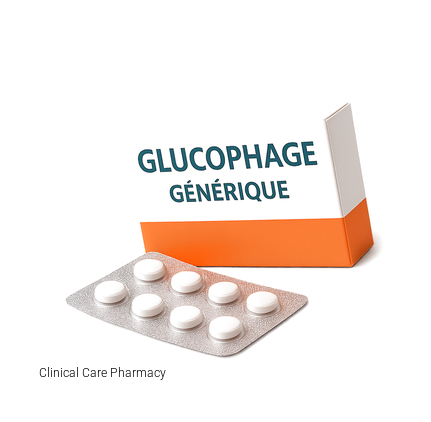
- Is Glucophage available without prescription in the UK?
- What does Pharmacy medicine mean in the UK?
- General information about Glucophage (metformin)
- How does Glucophage work?
- Price and availability information
- Strengths, formulations and pack types
- Indications: Type 2 diabetes and off-label uses
- UK legal classification: GSL, P and POM
- Alternatives and adjunctive treatments
- Glucophage compared with other antidiabetic medicines
- Diet, lifestyle and glucose control
- Side effects and tolerability
- Long-term use and monitoring
- Warnings, contraindications and interactions
- Additional information about ordering Glucophage online
Is Glucophage available without prescription in the UK?
In the United Kingdom, Glucophage (metformin hydrochloride) is generally classified as a Prescription Only Medicine (POM) due to the necessity of medical supervision when initiating and adjusting therapy. However, specific regulatory changes and pilot schemes have introduced limited opportunities to purchase certain low-dose metformin preparations through community pharmacy-based prescription services or under Patient Group Directions (PGDs). Online pharmacies may offer patient self-assessment followed by pharmacist review to supply generic Glucophage without a traditional GP prescription in line with current MHRA guidelines. Always verify legal status with Clinical Care Pharmacy before ordering.
What does Pharmacy medicine mean in the UK?
The UK categorises medicines into three legal supply frameworks: Prescription Only Medicine (POM), Pharmacy medicine (P) and General Sales List medicine (GSL). A Pharmacy medicine (P) can be supplied without a prescription but only under the supervision of a pharmacist. Glucophage remains POM for standard adult dosing regimens, but supermarket supply programs or professional pharmacy prescribing pilots may allow limited metformin supply without a direct prescription. Understanding these categories is vital to ensure compliance with MHRA regulations when you buy or order Glucophage online.
General information about Glucophage (metformin)
What is Glucophage?
Glucophage is the brand name for metformin hydrochloride, an oral antidiabetic medication widely used to manage type 2 diabetes. It belongs to the biguanide class and works primarily by lowering hepatic glucose production and improving peripheral insulin sensitivity.
What is metformin?
Metformin is a first-line pharmacological agent recommended in type 2 diabetes management guidelines. It helps reduce fasting and postprandial blood glucose levels without typically causing significant hypoglycaemia when used alone. Several generic and branded metformin products, including Glucophage, are authorised in the UK.
Why is Glucophage considered a biguanide?
Biguanides are a class of oral hypoglycaemic agents characterised by two guanidine functional groups. Metformin is the only biguanide widely used today, offering a well-established safety profile and cardiovascular risk reduction benefits in diabetic patients.
Are generic and branded metformin identical?
All authorised metformin generics contain the same active molecule, metformin hydrochloride, at the labelled strength. Regulatory standards ensure bioequivalence. Differences may exist in excipients, tablet shape, colouring agents and packaging.
What excipients are used in Glucophage tablets?
Typical inactive ingredients include microcrystalline cellulose, hydroxypropyl cellulose, magnesium stearate and coloring additives to ensure tablet stability, appearance and ease of swallowing. These may vary by manufacturer.
Is Glucophage soluble in water?
Metformin hydrochloride is highly water-soluble, which contributes to its rapid gastrointestinal absorption and distribution. Tablets are designed for oral administration and are best taken with water to ensure complete dissolution.
Why does Glucophage have an extended-release version?
Extended-release (XR) formulations deliver metformin gradually over 12–24 hours, reducing peak plasma concentrations and gastrointestinal side effects. XR tablets also allow once-daily dosing to improve adherence.
Is Glucophage a sulfonylurea?
No. Sulfonylureas stimulate insulin secretion from pancreatic β-cells. Metformin, in contrast, works by reducing hepatic gluconeogenesis and enhancing insulin sensitivity in peripheral tissues.
How does Glucophage work?
What is gluconeogenesis?
Gluconeogenesis is the metabolic pathway that synthesises glucose from non-carbohydrate substrates in the liver. Overactivity contributes to fasting hyperglycaemia in type 2 diabetes.
How does metformin inhibit hepatic glucose production?
Metformin activates AMP-activated protein kinase (AMPK) in hepatocytes, reducing expression of gluconeogenic enzymes and decreasing hepatic glucose output. This lowers fasting blood glucose levels.
How does metformin improve insulin sensitivity?
By enhancing insulin receptor activity and glucose uptake in skeletal muscle and adipose tissue, metformin improves peripheral glucose disposal, contributing to better overall glycaemic control.
Does Glucophage affect insulin secretion?
Unlike insulin secretagogues, metformin does not directly increase insulin release and thus carries a low risk of hypoglycaemia when used as monotherapy.
Can metformin alter gut microbiota?
Emerging research suggests metformin may modulate the gut microbiome, potentially influencing glucose metabolism and gastrointestinal tolerability. Clinical significance is under investigation.
What is the onset of action?
Metformin begins to lower blood glucose within days of initiation, but maximal glycaemic effect typically occurs after 4–6 weeks of continuous therapy.
Does food influence absorption?
Taking Glucophage with meals can reduce gastrointestinal side effects without substantially affecting overall bioavailability. XR formulations are usually taken with the evening meal.
Price and availability information
How much does Glucophage cost in the UK?
Prices vary depending on brand versus generic, pack size, formulation (immediate-release vs extended-release) and supplier. Clinical Care Pharmacy offers competitive generic metformin pricing online. For the latest price list and cheapest generic options, please contact our UK pharmacy team.
Why can online prices differ from high street pharmacies?
Online pharmacies benefit from streamlined distribution and lower overheads. Volume purchasing and direct imports can reduce cost, allowing online offers that are cheaper than local retail prices.
| Example | Strength | Formulation | Price | Status | Note |
|---|---|---|---|---|---|
| Generic Metformin | 500 mg | Immediate-release tablets (60) | £12.49 | In Stock | Order generic Glucophage for best price |
| Glucophage XR | 750 mg | Extended-release tablets (30) | £18.99 | In Stock | Once-daily dosing |
| Generic Metformin | 1000 mg | Immediate-release tablets (60) | £14.99 | In Stock | Split dosing possible |
Strengths, formulations and pack types
What strengths of metformin exist?
Metformin is available in multiple strengths: 250 mg and 500 mg immediate-release tablets, 850 mg and 1000 mg immediate-release tablets, as well as 500 mg, 750 mg and 1000 mg extended-release tablets. Dosage titration allows individualised glycaemic control.
What formulations are authorised?
Immediate-release (IR) tablets, extended-release (XR/ER) tablets, and combination products (e.g., metformin with DPP-4 inhibitors or SGLT2 inhibitors) are available. Each formulation has specific prescribing guidelines and may differ in legal supply category.
Why does pack size matter?
Prescription packs typically supply 28, 30, 60 or 90 tablets. Online pharmacies often offer multipacks or generic bulk packs at lower unit cost. Maximum supply quantity may be limited by PGD or pharmacy prescribing protocols.
| Feature | Why it matters |
| Active ingredient | Ensures therapeutic equivalence |
| Strength | Guides dosage and titration |
| Formulation | Influences release profile |
| Pack size | Affects duration of therapy and cost |
| Legal category | Determines supply route |
Indications: Type 2 diabetes and off-label uses
What is type 2 diabetes?
A chronic metabolic disorder characterised by insulin resistance, relative insulin deficiency and hyperglycaemia. Uncontrolled diabetes increases risk of cardiovascular disease, neuropathy, nephropathy and retinopathy.
What is the licensed indication for metformin?
Metformin is indicated as monotherapy or in combination with other antidiabetic agents for controlling blood glucose in type 2 diabetes where diet and exercise alone are insufficient.
Are there off-label uses?
Metformin is sometimes used off-label for polycystic ovary syndrome (PCOS), metabolic syndrome, gestational diabetes prevention, and weight management in insulin-resistant conditions. Off-label use should be under specialist supervision.
Why use combination therapy?
When metformin monotherapy fails to maintain target HbA1c levels, addition of drugs such as sulfonylureas, DPP-4 inhibitors, GLP-1 receptor agonists or insulin can improve glycaemic control while balancing efficacy, safety and cost.
UK legal classification: GSL, P and POM
What is a POM?
A Prescription Only Medicine requires a valid prescription from a qualified prescriber. Metformin is classified as POM for standard UK supply.
What is a Pharmacy medicine (P)?
A Pharmacy medicine may be supplied without a prescription but under pharmacist oversight. Metformin remains POM, but pilot schemes for pharmacist prescribing may supply low-dose preparations under PGD.
What is a GSL medicine?
General Sales List medicines can be sold in wider retail outlets. No antidiabetic drug is classified GSL in the UK due to the need for monitoring.
Can metformin ever be OTC?
Currently, metformin does not have a general OTC status. Any supply without a prescription involves pharmacist prescribing protocols or supplementary prescribing under PGD.
Who regulates supply classification?
The Medicines and Healthcare products Regulatory Agency (MHRA) oversees classification and any reclassification processes in the UK.
Alternatives and adjunctive treatments
What other drug classes are used in type 2 diabetes?
- Sulfonylureas (e.g., gliclazide, glimepiride);
- DPP-4 inhibitors (e.g., sitagliptin, linagliptin);
- SGLT2 inhibitors (e.g., empagliflozin, dapagliflozin);
- GLP-1 receptor agonists (e.g., liraglutide, semaglutide);
- Insulin analogues for advanced or insulin-deficient disease.
Why combine therapies?
Combination therapy addresses multiple pathophysiological defects of type 2 diabetes, allowing lower doses of each agent, reducing adverse effects and improving clinical outcomes.
Glucophage compared with other antidiabetic medicines
How does metformin compare with sulfonylureas?
Metformin does not cause weight gain or significant hypoglycaemia when used alone, unlike sulfonylureas. It also offers potential cardiovascular benefits.
How does metformin compare with SGLT2 inhibitors?
SGLT2 inhibitors reduce blood glucose by promoting glycosuria and offer cardiorenal benefits but carry risks of genitourinary infections. Metformin remains the foundational therapy due to safety, efficacy and low cost.
| Feature | Metformin | Sulfonylureas | SGLT2 inhibitors |
| Class | Biguanide | Insulin secretagogue | Glucose reabsorption inhibitor |
| Hypoglycaemia risk | Low | High | Low |
| Weight effect | Neutral or weight loss | Weight gain | Weight loss |
| Cardiovascular benefit | Yes (evidence) | Neutral | Yes |
Is metformin always first-line?
Yes, unless contraindications exist. Individualised treatment considers comorbidities, patient preference and cost.
Diet, lifestyle and glucose control
Can diet modify diabetic control?
A balanced diet low in simple sugars and high in fibre supports glycaemic control. Carbohydrate counting and consistent meal timing are key strategies.
Is weight management important?
Weight reduction improves insulin sensitivity. Lifestyle interventions combining diet and exercise can delay or prevent onset of type 2 diabetes in high-risk individuals.
What about physical activity?
Regular moderate-intensity exercise enhances glucose uptake in muscle and complements pharmacotherapy.
Can alcohol affect glucose levels?
Alcohol consumption can cause hypoglycaemia, particularly when combined with metformin. Patients should be advised on safe drinking limits and monitoring.
Side effects and tolerability
Can Glucophage cause side effects?
Yes. Common effects include gastrointestinal symptoms such as nausea, diarrhoea, abdominal discomfort and metallic taste. These often improve with dose titration and administration with food.
| Category | Examples |
| Gastrointestinal | Diarrhoea, nausea, vomiting, abdominal pain |
| Vitamin absorption | Vitamin B12 malabsorption long-term |
| Metabolic | Lactic acidosis (rare but serious) |
| Dermatological | Rash (rare) |
What is lactic acidosis?
A rare but potentially fatal accumulation of lactate associated with metformin use in patients with renal impairment, severe infection or hypoxia. Prompt medical attention is critical.
Why monitor vitamin B12?
Long-term metformin may impair B12 absorption, leading to deficiency and neuropathy. Annual monitoring is recommended for therapy beyond five years.
How to manage GI side effects?
Start with low dose (e.g., 500 mg once daily) and titrate every 1–2 weeks. Taking tablets with meals and switching to extended-release formulations can improve tolerability.
Long-term use and monitoring
Why is renal monitoring important?
Metformin is renally excreted. Estimated glomerular filtration rate (eGFR) must be assessed at baseline and periodically. Dose adjustment or discontinuation is required if eGFR falls below recommended thresholds.
How often should HbA1c be checked?
Glycated haemoglobin should be measured every 3–6 months to assess long-term glycaemic control and effectiveness of therapy.
What other parameters to monitor?
Liver function, lipid profile and blood pressure should be monitored regularly to manage cardiovascular risk factors in diabetes.
Can therapy be paused for procedures?
Metformin should be temporarily discontinued before iodinated contrast imaging or surgeries requiring anaesthesia due to increased lactic acidosis risk. It can be resumed once renal function is confirmed stable.
Warnings, contraindications and interactions
Who should avoid metformin?
- Renal impairment with eGFR < 30 mL/min/1.73 m²;
- Unstable or acute heart failure;
- Severe liver disease;
- Acute alcohol intoxication;
- Conditions associated with hypoxia or lactic acidosis risk;
- Pregnant or breastfeeding women without specialist advice.
Can metformin interact with other medicines?
Yes. Cimetidine may increase metformin levels. Diuretics and corticosteroids can elevate blood glucose. Concomitant use demands careful dose adjustment and monitoring.
Why avoid iodinated contrast?
Contrast media can impair renal function and precipitate lactic acidosis. Metformin should be withheld for 48 hours post-procedure pending renal reassessment.
What about radiological procedures?
After intravenous contrast, resume metformin only once eGFR is stable and ≥ 60 mL/min/1.73 m², usually after 48 hours.
Is metformin safe in pregnancy?
Metformin crosses the placenta. It may be used in gestational diabetes under specialist care, but insulin remains first-line for tight glycaemic control. Specialist advice is essential.
Additional information about ordering Glucophage online
What does “generic metformin” mean?
A generic medicine contains the same active ingredient as the reference brand and meets rigorous standards for quality, safety and efficacy, though excipients may vary.
Why compare prices online?
Online pharmacies can offer cheaper generic Glucophage due to lower distribution costs and large-volume purchasing. Comparing prices helps you secure the best deal.
How to order without prescription?
Complete our online self-assessment questionnaire, consent to pharmacist review and provide recent blood test results as required. A Clinical Care Pharmacy pharmacist will determine eligibility under PGD protocols.
Why choose Clinical Care Pharmacy?
As a UK-registered pharmacy, we deliver genuine, MHRA-approved generic Glucophage directly to your door. Enjoy free delivery, discreet packaging and secure online payment.
How quickly will I receive my order?
Standard UK shipping takes 2–4 working days. Express next-day delivery is available at checkout. All orders are sent with tracking.
Does this information replace medical advice?
No. This article is for general guidance only. Always follow professional medical advice, read the product information leaflet and consult your healthcare provider for personalised recommendations.