
Buy metformin generic cheap
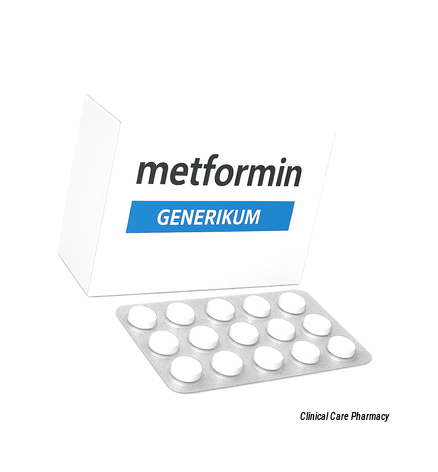
- Is metformin available without prescription in the UK?
- What does Prescription Only Medicine mean in the UK?
- General information about metformin
- How metformin works to control blood sugar
- Price and availability information
- Strengths, formulations and pack types
- Type 2 diabetes: symptoms and management
- UK legal classification: POM and online purchase
- Alternatives for glucose control
- Metformin compared with other diabetes medicines
- Food, alcohol and lifestyle considerations
- Side effects and tolerability
- Long-term use and monitoring
- Warnings, contraindications and interactions
- Additional information about generic metformin
Is metformin available without prescription in the UK?
Metformin is classified as a Prescription Only Medicine (POM) in the United Kingdom and cannot legally be supplied without a valid prescription from a qualified healthcare professional. Any offer to sell metformin generically without prescription does not comply with MHRA regulations. At Clinical Care Pharmacy, we require an up-to-date prescription to ensure safe, effective and personalised treatment for individuals managing type 2 diabetes or other approved indications.
What does Prescription Only Medicine mean in the UK?
A Prescription Only Medicine (POM) is defined by the UK Medicines and Healthcare products Regulatory Agency (MHRA) as a medicine that may only be supplied or administered to individuals when presented with a valid prescription issued by a healthcare professional with the appropriate legal authority. This classification ensures that the medicine is used under clinical supervision, that appropriate dosage adjustments and monitoring are in place, and that potential drug interactions or contraindications are reviewed before supply.
General information about metformin
What is metformin?
Metformin is an oral antihyperglycaemic agent belonging to the biguanide class of medicines. It is widely used as first-line therapy for type 2 diabetes mellitus due to its efficacy in lowering blood glucose levels, favourable safety profile, cardiovascular benefits, and low risk of hypoglycaemia when used as monotherapy.
Where did metformin originate?
Metformin is derived from the French lilac (Galega officinalis) plant, which was historically used to treat symptoms of diabetes. Modern pharmaceutical metformin was synthesised in the 1920s and introduced into medical practice in the 1950s. It has since become one of the most prescribed oral diabetes medicines worldwide.
What is the active pharmaceutical ingredient?
The active ingredient in generic metformin is metformin hydrochloride. Generic products contain the same active moiety as branded formulations, but may differ in excipients, tablet design and manufacturing processes, all of which are regulated for bioequivalence.
Why is generic metformin more affordable?
Generic metformin becomes cheaper once the original patent and data exclusivity expire. Multiple manufacturers can produce and supply metformin, increasing competition and driving down the cost per tablet. As generics must meet the same regulatory quality standards as branded products, they provide an effective, safe and cost-effective treatment option.
How metformin works to control blood sugar
What are the main mechanisms of action?
Metformin lowers blood glucose through several complementary mechanisms:
- Reduces hepatic gluconeogenesis, decreasing glucose production in the liver.
- Improves peripheral insulin sensitivity, increasing glucose uptake in muscle and fat cells.
- Delays intestinal glucose absorption, diminishing post-prandial spikes.
Does metformin cause insulin release?
No. Unlike sulfonylureas, metformin does not stimulate insulin secretion from the pancreas. Its glucose-lowering effect is achieved without increasing the risk of hypoglycaemia when used alone, which makes it particularly suitable for many patients with type 2 diabetes.
How quickly does metformin start to work?
Metformin’s glucose-lowering effects typically become clinically evident within 1–2 weeks of starting therapy, with maximal benefits seen after 2–3 months of consistent daily dosing. Individual response can vary based on factors such as dose, adherence, baseline glycaemic control and concomitant medications.
Why is steady-state important?
Metformin has a half-life of approximately 4–6 hours, but its therapeutic benefits arise from cumulative improvements in insulin sensitivity and glucose metabolism. Consistent daily dosing is essential to maintain stable blood concentrations and optimise glycaemic control.
Price and availability information
How much does generic metformin cost in the UK?
Generic metformin pricing varies by strength, pack size and pharmacy retailer. At Clinical Care Pharmacy, we offer competitive pricing on all common strengths. For online orders with prescription submission, prices start from as low as £0.02 per 500 mg tablet when purchased in bulk. Contact our pharmacy team for the cheapest offers and current availability.
Why do online pharmacy prices differ?
Price variations can reflect differences in bulk purchasing agreements, manufacturer discounts, promotional offers, prescription processing fees and shipping arrangements. Cheap metformin online may be cheaper at some outlets, but always verify that the pharmacy is registered with the General Pharmaceutical Council and requires a valid prescription.
| Example | Strength | Formulation | Price | Purchase Option | Note |
|---|---|---|---|---|---|
| Metformin 500 mg | 500 mg | Immediate-release tablet | £0.05/tablet | Online order with prescription | Bulk savings available for 90-day supply |
| Metformin 850 mg | 850 mg | Immediate-release tablet | £0.07/tablet | In-pharmacy purchase | Prescription required |
| Metformin 500 mg SR | 500 mg | Prolonged-release tablet | £0.12/tablet | Online order with prescription | Once-daily dosing option |
Strengths, formulations and pack types
What strengths of metformin are available?
Metformin is available in a range of strengths to allow flexible dosing: 500 mg and 850 mg immediate-release tablets, and 500 mg and 750 mg prolonged-release (SR/XL) tablets. Your prescriber will select the appropriate strength and formulation based on individual patient needs, tolerability and glycaemic targets.
What formulations are offered?
Two main formulation categories exist:
- Immediate-release (IR): Taken two to three times daily with meals.
- Prolonged-release (PR/SR/XL): Taken once daily, designed for sustained release over 12–24 hours.
How do pack sizes impact cost?
Larger pack sizes can reduce per-tablet cost. Common pack sizes include 28, 56 and 90 tablets. At Clinical Care Pharmacy, we offer price breaks for 90-tablet packs, particularly on generic supplies, making bulk purchase the cheapest option for long-term therapy.
Are branded and generic metformin identical?
While branded and generic metformin share the same active ingredient and must demonstrate bioequivalence, excipients, tablet color, shape and packaging can differ. Generics approved in the UK meet rigorous quality, safety and efficacy standards.
| Feature | Branded Metformin | Generic Metformin |
| Active ingredient | Metformin hydrochloride | Metformin hydrochloride |
| Bioequivalence | NA (reference) | Yes (approved) |
| Price | Higher | Lower |
| Packaging | Branded design | Generic labeling |
Type 2 diabetes: symptoms and management
What is type 2 diabetes?
Type 2 diabetes mellitus is a chronic metabolic disorder characterised by insulin resistance, progressive pancreatic beta-cell dysfunction and elevated blood glucose levels. It is associated with long-term complications affecting the cardiovascular system, kidneys, nerves and eyes if not adequately managed.
What are common symptoms?
Symptoms can be subtle or absent early on. Typical signs include increased thirst, frequent urination, unexplained weight loss, fatigue, blurred vision and slow-healing wounds. Early diagnosis through blood screening is crucial to preventing complications.
How is diabetes managed?
Management involves a combination of lifestyle modifications (diet, exercise, weight management), regular blood glucose monitoring, and pharmacotherapy. Metformin is often the first-line medication, with additional oral agents, GLP-1 receptor agonists or insulin added if glycaemic targets are not met.
Why is medication adherence important?
Consistent adherence to prescribed metformin therapy is essential to achieve stable glycaemic control, reduce the risk of complications and optimise long-term outcomes. Pharmacy refill reminders and patient counselling support adherence.
UK legal classification: POM and online purchase
What is a Prescription Only Medicine?
Metformin is regulated as a POM in the UK, which means it can only be supplied with a valid prescription issued by a doctor, nurse prescriber or pharmacist prescriber. This legal classification ensures appropriate clinical oversight, dose adjustment and monitoring for each patient.
Can I order metformin online?
Yes, you can order metformin online from a registered UK pharmacy if you submit a valid digital or paper prescription. At Clinical Care Pharmacy, we accept electronic prescriptions and securely courier your medication to your home anywhere in the UK.
Why is prescription verification important?
Prescription verification by a pharmacist confirms the correct dose, checks for potential drug interactions, ensures safe supply, and provides an opportunity for patient counselling on side effects, proper administration and monitoring requirements.
Who regulates online pharmacies?
Online pharmacies in the UK must be registered with the General Pharmaceutical Council (GPhC) and display the common logo on their website. The MHRA oversees medicine safety and supply compliance.
Alternatives for glucose control
What other oral antidiabetic classes exist?
- Sulfonylureas (e.g., glibenclamide, gliclazide);
- DPP-4 inhibitors (e.g., sitagliptin, linagliptin);
- SGLT2 inhibitors (e.g., empagliflozin, dapagliflozin);
- Thiazolidinediones (e.g., pioglitazone);
- Alpha-glucosidase inhibitors (e.g., acarbose).
Why choose metformin first?
Metformin’s advantages include low cost, long-term safety data, weight neutrality or modest weight loss, cardiovascular benefit, and absence of increased hypoglycaemia risk when used alone.
Metformin compared with other diabetes medicines
How does metformin compare with sulfonylureas?
Both reduce blood glucose but differ in mechanism. Sulfonylureas stimulate insulin release, carrying a higher risk of hypoglycaemia and weight gain. Metformin improves insulin sensitivity without directly driving insulin secretion.
How does metformin compare with SGLT2 inhibitors?
SGLT2 inhibitors promote urinary glucose excretion and may reduce cardiovascular events and progression of renal disease. They have a higher cost and potential for genital infections. Metformin remains the foundation of therapy for most patients.
Key feature comparison
| Feature | Metformin | Sulfonylureas | SGLT2 inhibitors |
| Hypoglycaemia risk | Low | Higher | Low |
| Weight effect | Neutral/loss | Gain | Loss |
| Cardio benefit | Yes | Neutral | Yes |
| Cost | Low | Low | High |
Food, alcohol and lifestyle considerations
Can diet influence blood glucose?
A balanced diet rich in whole grains, fibre, lean protein and vegetables helps stabilise blood sugar. Carbohydrate counting and meal planning are key in combination with metformin therapy.
Is alcohol safe with metformin?
Moderate alcohol intake may be tolerated, but excessive alcohol can potentiate metformin-associated lactic acidosis risk. Patients should be counselled on safe drinking limits and to avoid binge drinking.
Does exercise matter?
Regular physical activity improves insulin sensitivity and aids weight management. Combined with metformin, exercise can enhance glycaemic control and cardiovascular health.
How does weight affect diabetes?
Obesity contributes to insulin resistance and increased diabetes risk. Weight reduction through diet, exercise and pharmacotherapy forms an integral part of comprehensive diabetes management.
Side effects and tolerability
Can metformin cause side effects?
Yes. Gastrointestinal side effects are the most common, including nausea, diarrhoea, abdominal discomfort and metallic taste. Starting at a low dose and using prolonged-release formulations can improve tolerability.
| Area | Examples |
| Gastrointestinal | Nausea, diarrhoea, flatulence, abdominal pain |
| Metabolic | Vitamin B12 deficiency with long-term use |
| Systemic | Rare lactic acidosis in high-risk situations |
| Dermatological | Skin rash (rare) |
How common are GI side effects?
Up to 20–30% of patients may experience transient GI symptoms. Slow dose escalation, taking metformin with food, or switching to an SR formulation can reduce incidence.
What is lactic acidosis risk?
Lactic acidosis is a rare but serious complication, typically associated with renal impairment, hepatic failure, severe dehydration or excessive alcohol intake. Regular renal function monitoring mitigates this risk.
Long-term use and monitoring
Why is kidney function monitoring important?
Metformin is excreted renally. Estimated glomerular filtration rate (eGFR) should be assessed before initiation and at least annually thereafter. Use in patients with eGFR <30 mL/min/1.73 m2 is contraindicated.
What about vitamin B12?
Long-term metformin therapy can interfere with B12 absorption, leading to deficiency. Annual or biannual screening of B12 levels and supplementation if necessary is recommended.
When to adjust dose?
Dose adjustments may be required in the context of changes in renal function, acute illness, or contrast imaging procedures. Temporarily withholding metformin during acute conditions reduces lactic acidosis risk.
Warnings, contraindications and interactions
Who should not take metformin?
- Patients with severe renal impairment (eGFR <30);
- Individuals with acute or chronic metabolic acidosis, including diabetic ketoacidosis;
- Those with severe hepatic dysfunction;
- Patients at risk of hypoxaemia (e.g., severe heart failure, respiratory disease);
- People undergoing major surgery or radiological studies with iodinated contrast.
Can metformin interact with other medicines?
Certain drugs can increase metformin levels or potentiate lactic acidosis risk (e.g., cimetidine, diuretics). Health professionals must review all concomitant medicines before prescribing.
Is contrast imaging a concern?
Intravenous iodinated contrast can cause acute kidney injury, raising lactic acidosis risk in metformin-treated patients. Guidelines recommend holding metformin around the time of imaging in those with reduced renal function.
What about pregnancy and breastfeeding?
Metformin crosses the placenta and is excreted in breast milk. It is sometimes used in gestational diabetes and PCOS under specialist supervision. Individual risk–benefit considerations and specialist guidance are essential.
Additional information about generic metformin
How is generic regulation enforced?
MHRA approves generic metformin products after evaluating bioequivalence to the reference medicine. Manufacturers must comply with Good Manufacturing Practice (GMP) and post-marketing monitoring requirements.
Why can generic leaflets differ?
Different manufacturers include specific excipients, pack sizes and production details. Patient information leaflets may vary in wording but cover the same essential safety and usage information.
What does prolonged-release mean?
Prolonged-release tablets are coated or matrix-based to release the active ingredient slowly over time, allowing once-daily dosing and smoother blood level profiles, which can improve GI tolerability.
Where to verify medicine information?
Official sources include the MHRA, electronic Medicines Compendium (eMC), and the Summary of Product Characteristics (SmPC) provided with each authorised product. Always consult a healthcare professional for personalised advice.
Does this information replace professional advice?
No. This page is for general information only, published by Clinical Care Pharmacy, Unit 4 Brian Clough Business Centre, 200-222 Cotton Lane, Derby. For tailored advice on metformin use, dosing, interactions or side effects, please speak directly to our pharmacy team or your doctor.