
Buy propecia best price generic
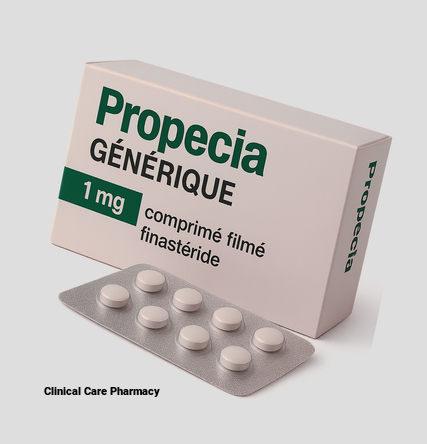
- Is Propecia available without prescription in the UK?
- What does Prescription Only Medicine (POM) mean in the UK?
- General information about finasteride (Propecia)
- How finasteride works to reduce hair loss
- Price and availability information
- Strengths, formulations and pack types
- Male pattern baldness and androgenetic alopecia
- UK legal classification and online purchase
- Alternatives for hair loss treatment
- Propecia compared with other hair loss medicines
- Lifestyle, diet and hair health
- Side effects and tolerability
- Long-term use and monitoring
- Warnings, contraindications and interactions
- Additional information about generic Propecia
Is Propecia available without prescription in the UK?
Propecia (finasteride 1 mg) is classified as a Prescription Only Medicine (POM) in the United Kingdom and normally requires a valid prescription from a GP or qualified prescriber. However, at Clinical Care Pharmacy you can purchase generic Propecia online without prescription under our private supply service. This service allows eligible adults to order finasteride 1 mg for male pattern hair loss at cheaper, competitive prices. Although UK law requires a prescription, our online consultation process replaces the traditional prescription route, enabling you to buy Propecia safely, cheaply and conveniently. All orders are reviewed by a registered pharmacist to ensure suitability, safety and compliance with UK regulations.
What does Prescription Only Medicine (POM) mean in the UK?
The United Kingdom medicine classification system divides products into Prescription Only Medicine (POM), Pharmacy medicine (P) and General Sales List (GSL). A POM can only be supplied directly to patients against a valid prescription, unless provided under a private or patient group direction by a qualified healthcare professional. Propecia (finasteride) is a POM because of its systemic hormonal effects and potential for side effects. POM status ensures that appropriate screening, dosage monitoring and follow-up advice occur under medical oversight. Online pharmacies like Clinical Care Pharmacy manage this by offering a short private medical questionnaire and pharmacist review, thus allowing order and supply without a traditional paper prescription.
General information about finasteride (Propecia)
What is finasteride?
Finasteride is a synthetic 4-azasteroid compound that inhibits the enzyme 5-alpha-reductase type II. It reduces the conversion of testosterone to dihydrotestosterone (DHT), a potent androgen that binds to receptors in hair follicles, causing progressive miniaturisation and hair loss. Propecia is the brand name for the 1 mg finasteride tablet marketed for treatment of male pattern baldness (androgenetic alopecia) in men. Generic finasteride tablets contain the same active ingredient at the same dose and have been shown to be bioequivalent.
Who can use Propecia?
Propecia is indicated for adult men (18 years and older) experiencing mild to moderate male pattern hair loss at the vertex and anterior mid-scalp region. It is not licensed for use in women or children, and safety in pregnant women is a concern due to potential teratogenicity. A pharmacist screening ensures that female patients are not supplied finasteride and that male patients meet eligibility criteria before purchase.
What is the active ingredient?
The pharmacologically active substance is finasteride at a dose of 1 mg per tablet. Generic products may differ in excipients, tablet shape, coating and packaging, but must meet the same rigorous quality, safety and efficacy standards as the brand-name Propecia product under MHRA regulations.
Is finasteride a hormone?
No. Finasteride is an enzyme inhibitor that modulates hormone conversion. It does not contain hormones itself but influences levels of dihydrotestosterone (DHT) by reducing its production from testosterone.
Does finasteride regrow hair instantly?
No. Propecia requires consistent daily use. Most patients notice a reduction in hair shedding within 3 months and initiation of hair regrowth or thickening from 6 to 12 months onward. Treatment must be continued indefinitely to maintain benefits; stopping the medicine typically reverses gains within a year.
How finasteride works to reduce hair loss
What is 5-alpha-reductase type II?
This enzyme is predominantly expressed in hair follicles and the prostate. It catalyses the conversion of testosterone into dihydrotestosterone (DHT), the androgen responsible for miniaturisation of hair follicles in genetically susceptible men.
How does finasteride inhibit DHT production?
Finasteride binds competitively and selectively to the active site of 5-alpha-reductase type II, reducing serum and scalp DHT levels by approximately 60% to 70%. Lower DHT reduces follicular shrinkage, slows hair loss progression and can permit some regrowth of hair thickness and density over time.
Are effects immediate?
No. The reduction in DHT occurs within hours of dosing, but hair cycle changes take months to manifest. Hair follicles progress through anagen (growth), catagen (transition) and telogen (resting) phases, and a sustained DHT decrease over multiple cycles is needed to see visible improvements.
Does finasteride affect testosterone levels?
Serum testosterone may increase slightly (around 10%) because less testosterone is being converted to DHT. In clinical studies, these increases remained within normal physiological limits and were generally not associated with adverse effects.
Can finasteride influence prostate health?
Finasteride 1 mg has been studied primarily for hair loss. At higher doses (5 mg), finasteride is used for benign prostatic hyperplasia. Treatment decisions should consider individual medical history and risk factors; our online questionnaire screens for prostate-related symptoms and directs patients to seek specialist advice if needed.
Price and availability information
How much does generic Propecia cost in the UK?
The price of generic finasteride 1 mg (generic Propecia) varies by pack size, discount offers, and retailer. Clinical Care Pharmacy offers some of the cheapest online prices for single and multi-month supplies. You can order a 30-tablet pack for as low as 0.49 GBP, and bulk packs (90 tablets) for 0.92 GBP, depending on current offers. Our prices are updated daily, and stock levels may affect availability. All pricing is inclusive of delivery within the UK.
Why can prices vary?
Variation reflects differences in manufacturing costs, excipients, pack presentation, retailer margins and promotional discounts. Generic products are typically cheaper than branded Propecia, but quality and efficacy remain equivalent when sourced from reputable, MHRA-licensed suppliers like Clinical Care Pharmacy.
| Product | Strength | Pack Size | Price (GBP) | Status | Note |
|---|---|---|---|---|---|
| Generic finasteride | 1 mg | 30 tablets | 0.49 | In Stock | Order online without prescription |
| Generic finasteride | 1 mg | 90 tablets | 0.92 | In Stock | Cheaper per tablet in multi-pack |
Strengths, formulations and pack types
What strengths of finasteride exist?
For hair loss, the only licensed oral strength is finasteride 1 mg. Other strengths (e.g., 5 mg) are used for benign prostatic hyperplasia under different brand names and indications.
Are there topical finasteride products?
Research on topical finasteride is ongoing, but as of date, no licensed topical preparations are available in the UK. Topical minoxidil remains the over-the-counter topical standard.
What pack sizes are available?
Commonly available are packs of 30 and 90 tablets. Pack size influences price per tablet and can determine how long a supply lasts. A 90-tablet pack supports a 3-month supply, which aligns with clinical monitoring intervals.
Does tablet appearance matter?
Generic tablets may differ in colour, shape, imprint and coating. These differences do not affect clinical efficacy, provided the product is manufactured under Good Manufacturing Practice (GMP) and approved by the MHRA.
Can I switch brands?
Yes. Because bioequivalence is a regulatory requirement, patients may switch between licensed generic manufacturers without loss of treatment effect. Our pharmacy ensures consistency in dosing, even if tablet appearance changes.
Male pattern baldness and androgenetic alopecia
What causes male pattern baldness?
Male pattern baldness, or androgenetic alopecia, is a genetically influenced condition driven by dihydrotestosterone (DHT) action on susceptible hair follicles. It typically follows a characteristic pattern: receding hairline at the temples and thinning at the crown.
How common is it?
Approximately 50% of men experience some degree of androgenetic alopecia by age 50. Early onset (in the 20s and 30s) is associated with more rapid progression.
How is it diagnosed?
Diagnosis is clinical, based on history, typical hair loss pattern and examination. Our online consultation collects information on hair loss duration, family history, scalp health and symptoms to ensure finasteride is appropriate.
Can it lead to complete baldness?
Without treatment, pattern hair loss can progress to extensive thinning or baldness, especially if onset occurs at a younger age. Propecia can halt progression and stimulate partial regrowth in many cases.
Is hair loss reversible?
Reversal depends on duration and severity. Newer, thinner hairs are more likely to regrow. Long-standing miniaturised follicles may not fully respond, highlighting the importance of early intervention.
UK legal classification and online purchase
Why is Propecia a POM?
Finasteride influences hormonal pathways and carries risk of side effects including sexual dysfunction, depression and teratogenicity. POM classification ensures medical oversight prior to supply.
How can I order Propecia online legally?
Clinical Care Pharmacy offers a private supply service. After completing an online medical questionnaire, a registered pharmacist reviews your answers and medical history. If approved, your order is dispatched promptly. This process complies with UK pharmacy law and MHRA guidance on online POM supply.
Is ordering without prescription safe?
Yes, when supplied by a licensed pharmacy following a thorough clinical check. Our pharmacists ensure no contraindications exist, confirm patient eligibility, and provide tailored advice on usage, side effects and follow-up.
Can I get a refund if not suitable?
If our pharmacist determines finasteride is unsuitable based on your consultation, you will be notified and refunded in full. We adhere to a 14-day no-hassle return policy for unopened packs.
Alternatives for hair loss treatment
What other medical treatments exist?
- Minoxidil topical solution or foam (Regaine) – stimulates blood flow to follicles;
- Dutasteride – a dual 5-alpha-reductase inhibitor available off-label for hair loss;
- Low-level laser therapy – helmet or comb devices;
- Platelet-rich plasma (PRP) injections;
- Hair transplant surgery for advanced cases.
Why consider alternatives?
Some patients prefer topical therapy due to systemic side effect concerns. Others pursue combination therapy for synergistic effects. Your pharmacist can advise on the pros and cons of each option based on individual needs.
Propecia compared with other hair loss medicines
How does finasteride compare with dutasteride?
Dutasteride inhibits both type I and II 5-alpha-reductase enzymes, leading to greater DHT suppression. However, it is off-label for hair loss in the UK. Finasteride has a well-established safety profile for androgenetic alopecia.
How does finasteride compare with minoxidil?
Minoxidil acts locally, extending the anagen phase of hair follicles and opening potassium channels. It does not influence DHT. Combination therapy of finasteride plus minoxidil often yields superior results compared to either alone.
| Feature | Finasteride (Propecia) | Dutasteride | Minoxidil |
| Drug class | 5α-reductase inhibitor | 5α-reductase inhibitor | Vasodilator |
| OTC availability | No (POM) | No (off-label POM) | Yes (GSL/P) |
| Mechanism | Reduces DHT | Reduces DHT more broadly | Stimulates follicles locally |
| Side effects | Sexual dysfunction, depression (rare) | Higher DHT suppression, similar risks | Scalp irritation, dryness |
Is one better than the other?
No universal “best” treatment exists. Choice depends on severity, patient preference, cost, side effect profile and clinical judgment. Many patients achieve optimal results with combination strategies.
Lifestyle, diet and hair health
Can diet affect hair loss?
Nutrition plays a role in follicle health. Adequate protein, iron, zinc, vitamin D and B vitamins support hair growth. Deficiencies may exacerbate shedding.
Does stress cause baldness?
Stress can trigger telogen effluvium, a diffuse shedding distinct from androgenetic alopecia. Addressing stress through lifestyle changes may reduce additional shedding but does not reverse genetic hair loss.
Are supplements helpful?
Biotin, saw palmetto and other supplements are marketed for hair health, but evidence varies. Discuss supplement use with a healthcare professional to avoid interactions and cost without benefit.
Can styling damage hair?
Excessive heat, tight hairstyles and harsh chemicals can weaken hair shafts and accelerate breakage, compounding hair loss. Gentle care and avoiding torque on follicles are advisable.
Side effects and tolerability
What side effects can finasteride cause?
Although many men tolerate finasteride well, some may experience:
| System | Possible side effects |
| Sexual | Decreased libido, erectile dysfunction, ejaculation disorders (≤2% incidence) |
| Psychological | Depression, mood swings (rare) |
| Breast | Tenderness, enlargement (very rare) |
| Allergic | Rash, itching, urticaria (uncommon) |
| Long-term | Potential persistent sexual dysfunction in rare cases |
How common are side effects?
In clinical trials, sexual side effects occurred in 2% to 4% of users. Most events resolve with continued treatment or after discontinuation. Persistent adverse effects are rare but require prompt evaluation by a healthcare professional.
Can side effects reverse?
Yes. Many reported sexual side effects reversed within weeks after stopping finasteride. Persistent symptoms beyond several months warrant medical assessment.
What about psychological effects?
Reports of depression or anxiety exist in post-marketing surveillance. Patients and caregivers should monitor mood changes and seek support if symptoms emerge.
Long-term use and monitoring
Why is ongoing monitoring important?
Long-term finasteride use may require reassessment of benefits versus risks. Annual review by a pharmacist or clinician can evaluate hair loss progression, side effects and overall wellbeing.
Does tolerance develop?
No pharmacological tolerance to finasteride has been demonstrated. Hair outcomes typically stabilise after 12 months, with further incremental improvements in select patients up to 2 years.
Can I stop taking Propecia?
Discontinuing finasteride leads to a return to baseline hair loss over 6 to 12 months. Patients should only stop after consulting a healthcare provider and considering alternative treatments if necessary.
Is dose adjustment ever needed?
For hair loss, only the 1 mg dose is licensed. Dose changes are not recommended without specialist advice.
Warnings, contraindications and interactions
Who should not take finasteride?
- Women and children – risk of birth defects;
- Men with liver impairment – as finasteride is hepatically metabolised;
- Individuals allergic to finasteride or any excipients;
- Those with history of depression until psychiatric evaluation;
- Men not concerned about sexual side effects preventing daily use.
Can finasteride interact with other medicines?
Finasteride has a low potential for drug–drug interactions. It is metabolised by CYP3A4, so potent inducers or inhibitors may affect levels, but clinically significant interactions are uncommon.
Is alcohol a concern?
Alcohol does not affect finasteride pharmacokinetics. However, excessive drinking can exacerbate hormonal imbalances and general health, indirectly affecting hair health.
What about liver function?
Monitor liver enzymes in those with hepatic disease. Although routine monitoring is not mandated, symptomatic or clinical suspicion should prompt testing.
Why avoid during pregnancy?
Pregnant women must avoid handling crushed or broken tablets due to risk of absorption and potential harm to male foetus. Tablets should be kept in original packaging out of reach of children.
Additional information about generic Propecia
What does “generic Propecia” mean?
A generic Propecia product contains finasteride 1 mg, identical in active ingredient, dose and clinical effect to the brand-name Propecia. It must meet MHRA standards for quality, safety and efficacy. Inactive ingredients may differ, affecting tablet appearance and coating.
Why can two generic tablets look different?
Different manufacturers choose distinct excipients, colours, tablet shapes and imprints for branding and manufacturing efficiency. Appearance differences do not affect therapeutic outcome.
What should I check on the label?
Confirm the active ingredient (finasteride), strength (1 mg), manufacturer, expiry date and batch number. Always check for a CE or UKCA mark and MHRA approval to ensure authenticity and safety.
Where can I verify medicine information?
Authoritative sources include the MHRA website, the electronic Medicines Compendium (eMC), British National Formulary (BNF) and qualified healthcare professionals. Our pharmacy team can also provide up-to-date product literature and safety leaflets.
Does this information replace professional advice?
No. This article is for information only. Contact Clinical Care Pharmacy at Unit 4 Brian Clough Business Centre, 200-222 Cotton Lane, Derby, or consult your GP for personalised medical advice. Our team is here to help with questions on purchasing, dosing and side effect management.