
Purchase fluoxetin generic cheap
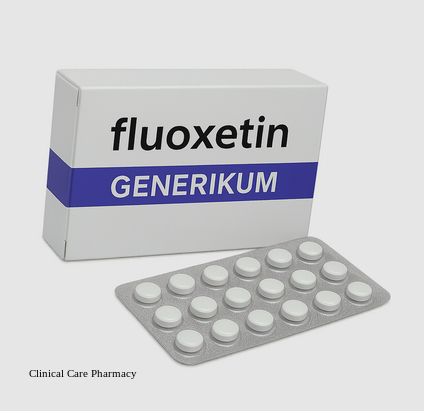
- Is fluoxetin available without prescription in the UK?
- What does Pharmacy medicine mean in the UK?
- General information about fluoxetin
- How fluoxetin affects serotonin levels
- Price and availability information
- Strengths, formulations and pack types
- Depression, anxiety and off-label uses
- UK legal classification: POM and Pharmacy status
- Alternatives for depression symptoms
- Fluoxetin compared with other SSRIs
- Food, alcohol and lifestyle considerations
- Side effects and tolerability
- Long-term use and excessive exposure
- Warnings, contraindications and interactions
- Additional information about fluoxetin generic
Is fluoxetin available without prescription in the UK?
Fluoxetin (fluoxetine) belongs to the selective serotonin reuptake inhibitor (SSRI) class of antidepressants. In the United Kingdom, fluoxetine is classified as a Prescription Only Medicine (POM). This means it cannot be supplied without a valid prescription from a qualified healthcare professional. While other medicines such as certain proton pump inhibitors or antihistamines may be available as Pharmacy (P) or General Sales List (GSL) products, SSRIs require medical assessment due to their systemic effects and the need for monitoring. If you wish to purchase fluoxetin online, you must provide a prescription or obtain one through our telemedicine service in accordance with UK regulations.
What does Pharmacy medicine mean in the UK?
The UK classifies human medicines into three legal supply categories:
- Prescription Only Medicine (POM): Requires a prescription from a qualified prescriber;
- Pharmacy medicine (P): Sold only under the supervision of a pharmacist but without a prescription;
- General Sales List (GSL): Can be sold in various retail outlets subject to pack size and content restrictions.
Fluoxetine remains POM due to its need for professional oversight, potential drug interactions, and monitoring for adverse effects such as mood changes or suicidal ideation.
General information about fluoxetin
What is fluoxetin?
Fluoxetin is the generic name for fluoxetine hydrochloride, an SSRI used primarily to treat major depressive disorder, obsessive–compulsive disorder (OCD), bulimia nervosa, and panic disorder. It modulates neurotransmitter levels in the brain, particularly serotonin, to improve mood, anxiety, and behavioural symptoms.
What are selective serotonin reuptake inhibitors?
SSRIs selectively inhibit the reuptake of serotonin (5-hydroxytryptamine) by presynaptic nerve terminals, increasing serotonin availability in the synaptic cleft and enhancing serotonergic neurotransmission. This biochemical action can alleviate depressive and anxiety symptoms over several weeks of consistent use.
What is the active ingredient?
The active pharmaceutical ingredient is fluoxetine hydrochloride. Branded products (e.g., Prozac) and generics contain equivalent fluoxetine content, but they may differ in excipients, tablet coatings, or capsule shell materials.
Why do some tablets have enteric coatings?
Fluoxetine is generally stable in the stomach, but enteric coatings can protect sensitive excipients or mask the bitter taste. They also allow for extended-release formulations that provide more consistent blood levels over 24 hours.
Is fluoxetin an antidepressant?
Yes. Fluoxetine is one of the first-line SSRIs indicated for depression and various other psychiatric conditions. It is not an anxiolytic in the benzodiazepine class, nor is it a mood stabiliser or antipsychotic.
Is fluoxetin addictive?
SSRIs are not regarded as addictive like benzodiazepines or opioids. However, abrupt withdrawal can lead to discontinuation symptoms (e.g., dizziness, irritability), so gradual dose tapering is recommended when discontinuing under medical supervision.
How fluoxetin affects serotonin levels
What is serotonin?
Serotonin is a key neurotransmitter involved in mood regulation, appetite, sleep, and cognition. Imbalances in serotonergic signalling are associated with depressive and anxiety disorders.
How does fluoxetin inhibit reuptake?
Fluoxetine binds selectively to the serotonin transporter (SERT) on presynaptic neurons, preventing serotonin from being transported back into the cell. This prolongs serotonin action in the synaptic cleft and sustains signaling to postsynaptic receptors.
What is the onset of action?
While fluoxetine begins altering serotonin reuptake immediately, clinical improvements typically occur after 2–4 weeks of daily dosing. Full therapeutic effect may require 6–8 weeks.
Does fluoxetin affect other neurotransmitters?
At standard doses, fluoxetine’s primary action is on serotonin reuptake. At higher doses, minor effects on dopamine and norepinephrine uptake may occur, but these are secondary to its serotonergic activity.
Why is dose consistency important?
Maintaining steady plasma concentrations ensures optimal therapeutic benefit. Missing doses can reduce efficacy and increase the risk of withdrawal symptoms or relapse of depressive symptoms.
Price and availability information
How much does generic fluoxetin cost in the UK?
Prices for generic fluoxetine can vary by strength, pack size, supplier and formulation. This page provides indicative information; for current prices and stock availability, please contact the Clinical Care Pharmacy team.
Why do prices vary?
Pricing differences reflect:
- Dosage strength (e.g., 20 mg vs. 40 mg);
- Pack size (e.g., 28, 56, 84 tablets);
- Extended-release vs. immediate-release formulations;
- Brand vs. generic status;
- Distribution and procurement costs;
- Retail markup and pharmacy promotions.
| Example | Strength | Formulation | Price | Status | Note |
|---|---|---|---|---|---|
| Example A | 20 mg | Immediate-release tablets (28 pack) | Not stated | Information only | Contact Clinical Care Pharmacy for pricing |
| Example B | 40 mg | Extended-release capsules (30 pack) | Not stated | Information only | Prescription required |
Strengths, formulations and pack types
What strengths of fluoxetin exist?
In the UK, fluoxetine is available in multiple strengths, commonly 10 mg, 20 mg, and 40 mg. Extended-release capsules (e.g., 20 mg, 40 mg) deliver the drug over 24 hours to reduce dosing frequency.
What formulations are available?
Formulations include:
- Immediate-release tablets (plain fluoxetine);
- Capsules (often used for extended-release variants);
- Liquid oral solution (for patients with swallowing difficulties);
- Delayed-release formulations in some markets.
Why does pack size matter?
Pack size affects treatment duration, cost per dose, and legal dispensing limits. For long-term management of depression, larger packs may improve adherence but require careful stock control.
| Feature | Why it matters |
| Strength | Determines dose intensity |
| Formulation | Influences release profile |
| Pack size | Affects supply duration and cost |
| Prescription status | Legal requirement for POM drugs |
Are generic and branded fluoxetine identical?
Generics contain the same active ingredient and must demonstrate bioequivalence. Differences can occur in excipients, tablet coating, and packaging but not in clinical efficacy when used as directed.
Depression, anxiety and off-label uses
What is major depressive disorder?
A persistent low mood, loss of interest or pleasure in activities, changes in appetite or sleep, and feelings of worthlessness for at least two weeks.
What other licensed indications exist?
Fluoxetine is licensed in the UK for:
- Obsessive–compulsive disorder (OCD);
- Bulimia nervosa (reducing binge-purge cycles);
- Panic disorder (with or without agoraphobia).
Are there off-label uses?
Clinicians may prescribe fluoxetine off-label for conditions such as:
- Premenstrual dysphoric disorder (PMDD);
- Post-traumatic stress disorder (PTSD);
- Bipolar depression (with mood stabiliser);
- Fibromyalgia-related mood symptoms.
Why is professional assessment necessary?
Depression and anxiety disorders require accurate diagnosis and treatment planning, including dose titration and monitoring for suicidal thoughts, especially in young adults.
UK legal classification: POM and Pharmacy status
What is a POM?
A Prescription Only Medicine requires a written or electronic prescription from an authorised prescriber. SSRIs like fluoxetine are POM due to safety considerations and the need for ongoing monitoring.
What is a Pharmacy medicine?
Some lower-risk medicines (e.g., certain antihistamines) are P, but SSRIs are not in this category. Pharmacy medicines are sold under pharmacist supervision without prescription.
What is a GSL medicine?
General Sales List products can be sold in non-pharmacy retail outlets, but SSRIs are never GSL in the UK.
Who regulates medicine classification?
The MHRA oversees classification, licensing, and reclassification applications for all UK medicines. Professional guidance ensures that POM status remains for medicines requiring careful use.
Alternatives for depression symptoms
What other antidepressant classes exist?
- Serotonin-norepinephrine reuptake inhibitors (SNRIs);
- Tricyclic antidepressants (TCAs);
- Monoamine oxidase inhibitors (MAOIs);
- Noradrenergic and specific serotonergic antidepressants (NaSSAs);
- Repetitive transcranial magnetic stimulation (rTMS) and psychotherapy.
How do they differ from SSRIs?
Mechanisms of action, side effect profiles, onset of effectiveness, and monitoring requirements vary. Choice depends on patient history, co-morbidities, and tolerance of side effects.
Fluoxetin compared with other SSRIs
How does fluoxetine compare with sertraline?
Both are SSRIs but differ in half-life (fluoxetine is longer), dosing frequency, and side effect profiles. Fluoxetine’s long half-life can ease dose tapering but prolongs withdrawal times.
How does fluoxetine compare with citalopram?
Citalopram has a shorter half-life and may carry a lower risk of inducing agitation. Dose equivalence depends on individual response and tolerability.
| Feature | Fluoxetine | Sertraline | Citalopram |
| Half-life | 2–3 days (active metabolite up to 16 days) | 24 hours | 35 hours |
| Start dose | 20 mg once daily | 50 mg once daily | 10–20 mg once daily |
| Withdrawal risk | Lower acute risk, but prolonged clearance | Moderate | Higher acute risk |
| Common side effects | Insomnia, anxiety | Diarrhoea, libido changes | Dry mouth, sedation |
Is one SSRI always preferred?
No. Selection depends on clinical indication, co-existing conditions, drug interactions, patient preference, and historical response to therapy.
Food, alcohol and lifestyle considerations
Can diet influence antidepressant response?
Balanced nutrition supports overall mental health. No specific food is required for fluoxetine absorption, but caffeine and tyramine-rich foods may influence mood and anxiety levels.
Can alcohol affect fluoxetin?
Alcohol can exacerbate depressive symptoms and sedation. Concurrent use may reduce the efficacy of fluoxetine and increase the risk of central nervous system side effects.
Does smoking matter?
Smoking induces certain liver enzymes, potentially altering fluoxetine metabolism. Cessation or change in smoking habits can affect blood levels and may require dose adjustments.
Can exercise help?
Regular physical activity improves mood, reduces anxiety, and complements antidepressant therapy. Discuss an appropriate exercise regimen with a healthcare professional.
Side effects and tolerability
Can fluoxetin cause side effects?
Yes. Side effects range from common to rare. Reported frequencies are categorised in the product information leaflet.
| System | Examples |
| Gastrointestinal | Nausea, diarrhoea, dry mouth |
| CNS | Insomnia, headache, dizziness, agitation |
| Sexual | Decreased libido, delayed ejaculation, anorgasmia |
| Metabolic | Weight gain or loss |
| Hypersensitivity | Rash, urticaria (rare) |
Are discontinuation symptoms possible?
Fluoxetine’s long half-life reduces acute discontinuation reactions, but gradual dose reduction is still recommended to minimise withdrawal effects like irritability or flu-like symptoms.
Why do monitoring requirements exist?
Healthcare professionals monitor for mood changes, suicidal ideation, and rare but serious reactions such as serotonin syndrome.
Long-term use and excessive exposure
Why is long-term review important?
Duration of therapy for depression often spans six months to a year or longer. Periodic assessment ensures continued benefit and weighs risks such as bone density reduction or metabolic effects.
Can excessive exposure cause toxicity?
Overdose may lead to nausea, tremor, rapid heart rate, seizure risk and serotonin syndrome. Seek urgent medical care in case of suspected overdose.
Can recurrent symptoms indicate tapering needs?
Persistent or recurring depression may signal the need for dose adjustment, augmentation therapy, or review of psychiatric diagnosis.
Warnings, contraindications and interactions
Who should be cautious with fluoxetin?
- Individuals with bipolar disorder (risk of mania);
- History of seizure disorders;
- Severe hepatic impairment;
- Those taking monoamine oxidase inhibitors (MAOIs) or within 14 days of MAOI therapy;
- Pregnant or breastfeeding women (risk-benefit assessment required).
Can fluoxetine interact with other medicines?
Yes. Fluoxetine inhibits CYP2D6 and affects metabolism of drugs such as tricyclic antidepressants, antipsychotics, beta-blockers, and tamoxifen.
What about serotonergic interactions?
Concurrent use with other serotonergic agents (e.g., triptans, SNRIs, St John’s wort) increases the risk of serotonin syndrome—symptoms include agitation, hyperthermia, tremor, and altered consciousness.
Why avoid MAOIs?
The combination can precipitate hypertensive crisis or serotonin syndrome. A minimum 14-day washout period is mandatory when switching.
Additional information about fluoxetin generic
What does “generic fluoxetin” mean?
A generic product contains the same active fluoxetine hydrochloride and meets regulatory standards for quality, safety, and efficacy. Inactive ingredients and packaging may vary.
Why can packaging and leaflets differ?
Different manufacturers have unique excipient lists, branding, pack sizes, and patient leaflets reflecting their specific marketing authorisation.
Where can medicine information be verified?
Reliable sources include the MHRA, electronic Medicines Compendium (eMC), and qualified healthcare professionals. Always consult the official Summary of Product Characteristics for precise details.
Does this information replace professional advice?
No. This page, published by Clinical Care Pharmacy, Unit 4 Brian Clough Business Centre, 200-222 Cotton Lane, Derby, provides general information only. For tailored advice about fluoxetine therapy, please speak to our pharmacy team or your prescriber.