
Purchase zithromax fast delivery online
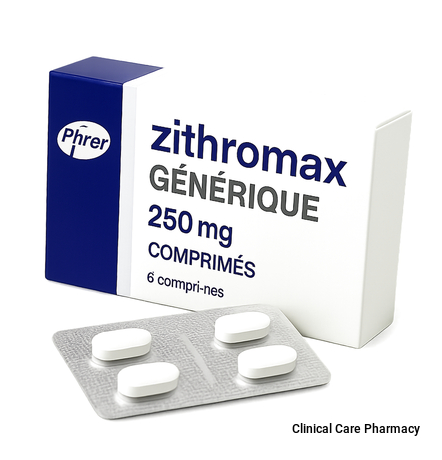
- Is Zithromax available without prescription in the UK?
- What does Pharmacy medicine mean in the UK?
- General information about Zithromax
- How azithromycin works
- Price and availability information
- Strengths, formulations and pack types
- Common indications for Zithromax
- UK legal classification: GSL, P and POM
- Alternatives to azithromycin
- Zithromax compared with other antibiotics
- Food, alcohol and lifestyle considerations
- Side effects and tolerability
- Long-term use and antibiotic resistance
- Warnings, contraindications and interactions
- Additional information about generic Zithromax
Is Zithromax available without prescription in the UK?
Zithromax (azithromycin) is a macrolide antibiotic licensed for the treatment of a variety of bacterial infections. In the United Kingdom it is classified as a Prescription Only Medicine (POM), meaning it cannot be legally supplied or bought without a valid prescription. You cannot purchase Zithromax over the counter at a pharmacy as you would antacids or simple painkillers. Any online pharmacy offering “Zithromax without prescription” either operates outside UK regulations or requires you to complete an online consultation, during which a prescribing professional may issue a prescription if appropriate. Always ensure you buy or order genuine Zithromax from a registered UK pharmacy to guarantee safety and authenticity.
What does Pharmacy medicine mean in the UK?
In the UK, human medicines are classified into three main categories: General Sales List (GSL), Pharmacy medicines (P) and Prescription Only Medicines (POM). A Pharmacy medicine can only be sold under the supervision of a pharmacist and does not require a prescription, but it must be dispensed in a pharmacy setting. By contrast, POMs such as Zithromax require a prescription from a qualified prescriber. Understanding these classifications helps you know where and how you can legally purchase different medicines online and in person.
General information about Zithromax
What is Zithromax?
Zithromax is the brand name for the antibiotic drug azithromycin. It belongs to the macrolide class of antibiotics, which are bacteriostatic or bactericidal depending on the dosage and the organism. Azithromycin is commonly used due to its broad spectrum of activity, convenient once-daily dosing, and relatively mild side-effect profile compared to some older antibiotics.
What is azithromycin?
Azithromycin is the active pharmaceutical ingredient (API) in Zithromax. It works by binding to the 50S subunit of bacterial ribosomes, inhibiting protein synthesis and thereby preventing bacterial growth. This mode of action makes it effective against many Gram-positive, certain Gram-negative, and atypical pathogens such as Chlamydia trachomatis and Mycoplasma pneumoniae.
Why is Zithromax popular?
Zithromax is favored by prescribers and patients for several reasons: its long half-life allows for shorter treatment courses; it penetrates tissues well; it has fewer drug interactions than erythromycin; and it is often available as a convenient once-daily tablet or suspension. Generic azithromycin tablets or capsules offer a cheaper alternative while maintaining the same efficacy and safety standards.
Is Zithromax a generic or branded medicine?
“Zithromax” is a branded product originally marketed by Pfizer. Generic azithromycin is manufactured by multiple companies following patent expiry. Generic products contain the same active ingredient and must meet UK regulatory requirements for quality, safety and efficacy, but they often sell at a lower price, making them a cost-effective option for patients and the NHS.
How azithromycin works
Binding to bacterial ribosomes
Azithromycin selectively binds to the 50S ribosomal subunit of susceptible bacteria, blocking the translocation step in protein synthesis. This action is mainly bacteriostatic, meaning it halts bacterial growth, although at higher concentrations it can become bactericidal for certain organisms.
Tissue penetration and distribution
Azithromycin has excellent tissue penetration, particularly in respiratory tissues, which makes it especially effective in treating pneumonia and other respiratory tract infections. Its high volume of distribution and accumulation in phagocytic cells contribute to its once-daily dosing regimen and sustained therapeutic levels.
Pharmacokinetics and half-life
The elimination half-life of azithromycin is approximately 68 hours, allowing short courses (e.g., 3 to 5 days) to maintain effective drug concentrations for up to a week after dosing ends. It is metabolized minimally by the liver and excreted in bile and faeces; renal excretion plays a minor role.
Resistance concerns
Bacterial resistance to macrolides can occur via several mechanisms, including methylation of ribosomal binding sites, efflux pumps, and enzymatic inactivation. Appropriate prescribing—using the correct dose and duration—and adherence to the full course of therapy help reduce the risk of resistance development.
Price and availability information
How much does Zithromax cost in the UK?
Prescription prices for Zithromax can vary depending on your pharmacy, whether you opt for the branded product or a generic equivalent, and any NHS or private prescription charges. For private purchase, patients often find that generic azithromycin tablets are the cheapest. Online pharmacy offers can include discounts, bulk purchase deals, or free delivery promotions that make your purchase cheaper.
Why do prices vary?
Pricing differences stem from brand versus generic status, pack size, retailer markup, distribution agreements, and promotional offers. Generic azithromycin typically costs less per tablet than branded Zithromax but remains clinically equivalent. Always compare price per dose rather than total pack price to gauge true cost-effectiveness.
| Product | Strength | Formulation | Approx. Price (GBP) | Status | Note |
|---|---|---|---|---|---|
| Zithromax | 500 mg | Tablets, pack of 3 | £15–£25 | Prescription Only (POM) | Brand name product |
| Azithromycin generic | 500 mg | Tablets, pack of 3 | £8–£12 | Prescription Only (POM) | Cheaper generic alternative |
| Azithromycin suspension | 100 mg/5 ml | Oral liquid, 30 ml | £10–£15 | Prescription Only (POM) | Paediatric dosing |
Strengths, formulations and pack types
What strengths of azithromycin exist?
Azithromycin is available in several strengths and forms to accommodate different indications and patient populations. Typical adult doses involve 250 mg or 500 mg tablets, while paediatric suspensions are dosed per weight. Intravenous formulations exist for hospital use but are not available for private or online purchase.
Which formulations are offered?
Common formulations include:
- Film-coated tablets (250 mg, 500 mg)
- Oral suspension (100 mg/5 ml and 200 mg/5 ml)
- Hard capsules in some generic brands (250 mg)
The choice of formulation depends on patient preference, swallowing ability, and specific clinical guidance.
Why does pack size matter?
Pack size determines the total number of doses supplied. For a three-day course of 500 mg daily, a pack of three tablets is standard. Longer courses or alternative regimens may require multiple packs or tailored dispensing. Online pharmacies often optimise pack sizes to cover full courses without wastage.
Are generic and branded azithromycin identical?
Regulatory authorities require generic products to demonstrate bioequivalence to the branded reference product. While inactive ingredients and packaging may differ, the active ingredient, strength, and efficacy remain the same. Generic versions are typically cheaper, providing a more affordable option for patients.
Common indications for Zithromax
Respiratory tract infections
Zithromax is widely prescribed for community-acquired pneumonia, bronchitis, and sinusitis. Its good lung tissue penetration and long half-life make it an effective single-dose or short-course therapy.
Skin and soft tissue infections
Azithromycin treats mild to moderate skin infections caused by susceptible bacteria, including Streptococcus pyogenes and Staphylococcus aureus. It is often used when penicillin allergies exist.
Sexually transmitted infections
A single 1 g dose of azithromycin is a standard treatment for uncomplicated chlamydia. It is also used in combination regimens for gonorrhoea, although escalating resistance requires careful microbiological guidance.
Ear infections
Otitis media in children and adults can be managed with azithromycin suspension or tablets, particularly in patients unable to tolerate amoxicillin or where adherence to multiple daily doses is a concern.
Other off-label uses
In some cases, azithromycin is used off-label for conditions such as traveller’s diarrhoea, certain atypical infections, and prophylaxis in immunocompromised patients following specialist advice.
UK legal classification: GSL, P and POM
What is a POM?
A Prescription Only Medicine (POM) cannot be legally supplied without a valid prescription issued by an appropriate prescriber. Zithromax falls under this classification due to the need for antibiotic stewardship and safe use oversight.
What is a Pharmacy medicine?
A Pharmacy medicine (P) can be sold without prescription but only in a registered pharmacy under a pharmacist’s supervision. Zithromax is not classified as P because antibiotic use requires prescription control.
What is a GSL medicine?
General Sales List (GSL) medicines are low-risk products that can be sold in non-pharmacy retail outlets. No antibiotics are classed as GSL due to potential misuse and resistance concerns.
Why is azithromycin always POM?
Antibiotic prescribing requires assessment of infection type, severity, allergy status, interactions and local resistance patterns. POM status ensures that a healthcare professional reviews each case to optimize therapy and minimize resistance development.
Who regulates medicine classification in the UK?
The Medicines and Healthcare products Regulatory Agency (MHRA) is responsible for approving, classifying and monitoring medicines, including deciding whether a drug should be GSL, P or POM. Antibiotic reclassification is subject to strict scrutiny.
Alternatives to azithromycin
Other macrolides
- Erythromycin – older macrolide with more frequent dosing and gastrointestinal side effects.
- Clarithromycin – twice-daily dosing, good respiratory penetration but potential for more drug interactions.
Other antibiotic classes
- Penicillins (e.g., amoxicillin) – first-line for many respiratory and skin infections if no allergy.
- Tetracyclines (e.g., doxycycline) – useful for atypical and certain tick-borne infections.
- Cephalosporins – alternative for skin and soft tissue infections under specialist guidance.
Choice of antibiotic depends on the suspected pathogen, local resistance data and patient-specific factors such as allergy history.
Zithromax compared with other antibiotics
| Feature | Azithromycin (Zithromax) | Clarithromycin | Amoxicillin |
| Dosing | Once daily, 3–5 days | Twice daily, 7–14 days | Three times daily, 5–7 days |
| Pregnancy category | B1 (generally safe) | B1 (generally safe) | B1 (generally safe) |
| Common uses | Respiratory, skin, STI | Respiratory, skin | Respiratory, ENT, urinary |
| GI side effects | Less frequent | Moderate | Low–moderate |
| Resistance concerns | Rising macrolide resistance | Similar to azithromycin | Beta-lactamase producing strains |
Each antibiotic has its own spectrum, dosing convenience, and interaction profile. Azithromycin’s once-daily, short-course regimen often improves adherence versus other options.
Food, alcohol and lifestyle considerations
Taking Zithromax with or without food
Azithromycin tablets can be taken with or without food. Taking them with a light meal may reduce mild gastrointestinal discomfort without affecting absorption significantly.
Alcohol consumption
While moderate alcohol intake does not usually interfere directly with azithromycin efficacy, excessive alcohol may exacerbate side effects such as nausea or dizziness. Patients are advised to avoid heavy drinking during any antibiotic course.
Hydration and diet
Maintaining adequate hydration and nutrition supports immune function and helps flush bacteria from the urinary and gastrointestinal tracts. A balanced diet rich in vitamins and minerals can aid recovery.
Adherence and missed doses
Because azithromycin courses are short, missing a dose can significantly impact treatment success. If you miss a dose, take it as soon as you remember unless it is nearly time for the next dose; do not double up on tablets.
Side effects and tolerability
Common side effects
- Gastrointestinal upset: diarrhoea, nausea, abdominal pain.
- Headache or dizziness in some individuals.
- Alteration in taste or metallic taste in mouth.
Serious but rare effects
- QT interval prolongation and potential arrhythmias.
- Severe allergic reactions: rash, urticaria, anaphylaxis.
- Clostridioides difficile-associated diarrhoea in susceptible patients.
Why monitor side effects?
Prompt recognition of serious adverse events ensures safe continuation or timely discontinuation of therapy. Always report severe or persistent symptoms to a healthcare professional.
Long-term use and antibiotic resistance
Short courses versus long courses
Zithromax is generally prescribed for short durations (3–7 days). Prolonged or repeated courses increase selective pressure on bacteria, accelerating resistance development. Long-term prophylactic use in chronic conditions should only occur under specialist supervision.
Antibiotic stewardship
Responsible prescribing and adherence to guidelines help preserve antibiotic efficacy. Unnecessary or incomplete courses contribute to resistance, affecting both individual and public health.
Recurrent infections
If infections recur after a course of azithromycin, further microbiological evaluation may be needed to identify resistant strains or alternative causes requiring different therapy.
Warnings, contraindications and interactions
Who should be cautious?
- Patients with known macrolide allergy.
- Individuals with existing QT prolongation or those on other QT-prolonging drugs.
- People with severe liver impairment.
- Patients on medications metabolized by CYP3A4.
Drug interactions
Azithromycin has fewer interactions than clarithromycin or erythromycin but may still interact with drugs such as digoxin, warfarin, and certain anticonvulsants. Always disclose all medications to your prescriber.
Pregnancy and breastfeeding
Azithromycin is generally considered safe in pregnancy (category B1) and for breastfeeding mothers, but individual risk-benefit assessment is essential. Seek professional advice before use.
Severe liver disease
Limited data exist in severe hepatic impairment; dose adjustment is not established. Caution is advised and specialist consultation recommended.
Additional information about generic Zithromax
What makes a generic antibiotic?
Generic azithromycin contains the same active molecule as the branded Zithromax. Regulatory authorities ensure generics demonstrate bioequivalence. While excipients may differ, therapeutic effects remain consistent.
Why might leaflets differ?
Each manufacturer provides a patient information leaflet specific to its product, detailing inactive ingredients, storage instructions, and licensing details. Check the leaflet for your pack.
Storage and shelf life
Store tablets at room temperature away from moisture and heat. Oral suspension should be reconstituted according to instructions and used within the timeframe indicated on the label, typically 5 to 7 days.
Where to verify medicine information?
Reliable sources include the electronic Medicines Compendium (eMC), MHRA, NHS.uk and advice from qualified healthcare professionals. Always refer to official product literature for the most accurate details.
Does this information replace professional advice?
This page is provided by Clinical Care Pharmacy, Unit 4 Brian Clough Business Centre, 200-222 Cotton Lane, Derby, for general information only. For personalised advice regarding antibiotic therapy, diagnosis or treatment, please consult your GP or pharmacist.