
Order orlistat online cheap
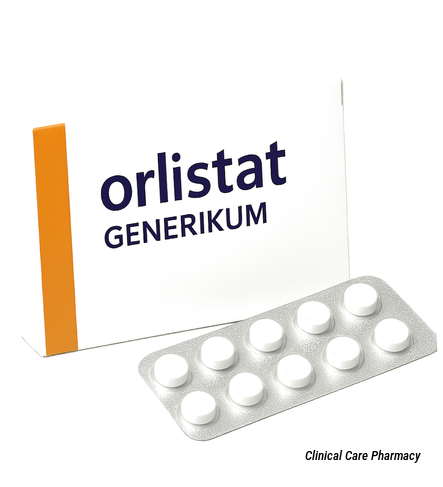
- Is orlistat available without prescription in the UK?
- What does Pharmacy medicine mean in the UK?
- General information about orlistat
- How orlistat works to aid weight loss
- Price and availability information
- Strengths, formulations and pack types
- Obesity, BMI and treatment goals
- UK legal classification: GSL, P and POM
- Alternatives for weight management
- Orlistat compared with other weight loss medicines
- Diet, alcohol and lifestyle considerations
- Side effects and tolerability
- Long-term use and excessive exposure
- Warnings, contraindications and interactions
- Additional information about orlistat 120 mg
Is orlistat available without prescription in the UK?
Unlike some weight loss supplements sold online with minimal controls, orlistat 120 mg remains a Prescription Only Medicine (POM) in the United Kingdom. There is currently no authorised non-prescription orlistat formulation available to buy or purchase directly from a retail pharmacy shelf. Any supply of orlistat in the UK must be made under the supervision of a qualified prescriber or pharmacist, following an appropriate clinical assessment. Attempts to order orlistat online without prescription from overseas websites may contravene UK regulations and involve legal, safety and quality risks. Patients seeking orlistat should consult the pharmacy team at Clinical Care Pharmacy in Derby, where our pharmacists can provide both prescription and professional advice on safe, affordable access to generic or branded formulations.
What does Pharmacy medicine mean in the UK?
The UK uses three main legal supply categories for human medicines: Prescription Only Medicine (POM), Pharmacy medicines (P) and General Sales List (GSL) medicines. A Pharmacy medicine (P) can be sold only under the supervision of a pharmacist and does not require a prescription. A General Sales List medicine (GSL) may be sold widely in non-pharmacy outlets if certain conditions are met. A Prescription Only Medicine (POM) like orlistat requires a valid prescription or a pharmacist’s supply under specified regulations. The classification of orlistat as POM ensures appropriate screening, patient selection, dosing guidance and monitoring, since the medicine impacts fat absorption, nutrient uptake and metabolic parameters.
General information about orlistat
What is orlistat?
Orlistat is an anti-obesity medication that works by inhibiting gastrointestinal lipases, the enzymes responsible for hydrolysing dietary fats into absorbable free fatty acids and monoglycerides. By blocking about 25%–30% of fat absorption when taken as directed with a meal, orlistat reduces caloric uptake and supports weight loss in conjunction with a reduced-calorie diet.
What are the available brands and generics?
Orlistat is marketed under brand names such as Xenical (120 mg) and generically as orlistat 120 mg capsules. Generic orlistat products must meet the same quality, safety and efficacy standards as branded medicines, though excipients, capsule appearances and pack presentations may differ.
What is the active ingredient?
The active pharmaceutical ingredient in orlistat capsules is orlistat itself. In each dosage unit, 120 mg of orlistat is protected in a hard gelatin capsule designed for gastric transit.
Why is orlistat taken with food?
Orlistat’s mechanism depends on the presence of dietary triglycerides; it binds to active sites of pancreatic and gastric lipases in the intestinal lumen. Taking orlistat during or up to one hour after a meal containing fat enhances the binding to lipases, maximising fat excretion while minimising unabsorbed fat-related side effects.
Is orlistat a stimulant?
No. Orlistat acts locally within the gastrointestinal tract and is not a central nervous system stimulant. It does not influence appetite directly through central pathways but achieves weight reduction via reduced energy intake.
Is orlistat a nutrient or vitamin?
No. Orlistat is a synthetic inhibitor of human lipases. While it impacts fat-soluble vitamin absorption, orlistat itself provides no nutritional value.
Why can orlistat cause malabsorption of vitamins?
Because orlistat blocks a proportion of dietary fat digestion, fat-soluble vitamins (A, D, E and K) and essential fatty acids can have reduced absorption. Patients are advised to take a multivitamin supplement at least two hours before or after orlistat administration.
How orlistat works to aid weight loss
What is pancreatic lipase?
Pancreatic lipase is the primary enzyme secreted by the pancreas to break down dietary triglycerides. Inhibition of this enzyme leads to decreased liberation of absorbable fatty acids and glycerol in the small intestine.
How does orlistat inhibit lipase?
Orlistat forms a covalent bond with the active serine residue of pancreatic and gastric lipases. This bond inhibits the lipase’s catalytic activity irreversibly, preventing the hydrolysis of triglycerides into absorbable free fatty acids and monoglycerides.
Does orlistat affect carbohydrate absorption?
No. Orlistat’s action is specific to lipases and does not inhibit amylase, proteases or other digestive enzymes, so carbohydrate and protein absorption remain unchanged.
How soon does orlistat begin to work?
Orlistat acts within the gastrointestinal tract soon after dosing with a meal. Maximum lipase inhibition occurs in the intestinal lumen following capsule disintegration. Clinical weight loss becomes measurable over weeks to months, depending on diet adherence and baseline body mass index (BMI).
What happens to unabsorbed fat?
Unabsorbed triglycerides pass through the digestive tract and are excreted in the stool. This can result in fatty or oily stools, flatulence with discharge, and increased stool frequency, particularly when dietary fat intake exceeds recommended levels.
Can orlistat treat all causes of obesity?
Obesity is multifactorial. Orlistat addresses caloric intake from fat but does not modify genetic, endocrine or behavioural factors. A comprehensive weight management plan includes diet, exercise, behavioural therapy and, where appropriate, other pharmacological or surgical interventions.
Price and availability information
How much does orlistat cost in the UK?
As a Prescription Only Medicine, orlistat price depends on brand versus generic, pack size, pharmacy dispensing fees and any discount schemes. Online pharmacies, including Clinical Care Pharmacy, aim to offer competitive rates for generic orlistat. Bulk packs may reduce the per-capsule price, and occasional promotions can offer further savings. Patients are encouraged to compare prices and ask for a cost breakdown when ordering orlistat online or in-store.
Why can prices vary between pharmacies?
Variations reflect supply chain costs, manufacturer discounts, pharmacy mark-ups and dispensing service charges. A cheaper unit price may accompany higher service fees, so the overall cost comparison should factor in prescription handling, delivery and counselling support.
| Example | Strength | Formulation | Price | Status | Note |
|---|---|---|---|---|---|
| Generic Orlistat | 120 mg | Capsule | £1.50–£2.50 per capsule | Prescription Only | Ask Clinical Care Pharmacy for current price and prescription options |
| Xenical | 120 mg | Capsule | £2.00–£3.50 per capsule | Prescription Only | Brand premium may apply |
Strengths, formulations and pack types
What strength of orlistat exists?
In the UK, the authorised prescription-only strength is 120 mg per capsule. Lower or higher strengths are not currently licensed for human use in this jurisdiction.
What formulations are available?
Orlistat is supplied as hard gelatin capsules containing 120 mg of the active ingredient. Generic versions may differ in capsule shell coloration, imprint codes and excipient composition, but must match the reference product in bioavailability.
Why do pack sizes matter?
Orlistat pack sizes typically range from 30 to 360 capsules, offering one-month to one-year supplies. A larger pack may lower the per-capsule cost but requires a stable long-term treatment plan to avoid waste and ensure monitoring by a healthcare professional.
| Feature | Why it matters |
| Active ingredient | Ensures pharmacological effect |
| Strength | Standard 120 mg capsule for clinical efficacy |
| Formulation | Affects dissolution and gastrointestinal release |
| Pack size | Impacts cost per dose and treatment duration |
| Legal category | POM status requires prescription |
Are generic and branded orlistat identical?
Generics contain the same active moiety and must demonstrate bioequivalence to the branded reference. Differences in appearance, excipients and packaging do not affect clinical performance.
Obesity, BMI and treatment goals
What is obesity?
Obesity is defined by excessive body fat accumulation that may impair health. The Body Mass Index (BMI) is a screening tool, where a BMI ≥30 kg/m² indicates obesity. Orlistat is indicated for overweight and obese adults (BMI ≥28 kg/m² with risk factors or ≥30 kg/m²) in conjunction with dietary and lifestyle interventions.
What are treatment goals?
Initial weight loss targets often aim for a 5%–10% reduction in body weight over three to six months. Continued monitoring and a multidisciplinary approach optimise outcomes and guide therapy duration.
Who may benefit from orlistat?
Adults with obesity-related risk factors such as hypertension, dyslipidaemia or impaired glucose tolerance may benefit. Clinical selection considers comorbidities, previous weight loss efforts and motivation for sustained dietary change.
When to review treatment efficacy?
If a patient has not achieved at least 5% weight loss after 12 weeks on orlistat combined with a low-fat diet, discontinuation or alternative strategies are considered. Continued lack of progress suggests limited benefit from ongoing therapy.
UK legal classification: GSL, P and POM
What is a POM?
A Prescription Only Medicine requires a valid prescription from a registered prescriber or supply under an appropriate patient group direction or pharmacy prescribing framework.
What is a Pharmacy medicine?
A Pharmacy medicine can be supplied under pharmacist supervision without a doctor’s prescription. This category ensures professional advice on safe self-care use.
What is a GSL medicine?
Some low-risk medicines, like basic analgesics, may be sold outside pharmacies if they meet GSL criteria. Orlistat does not fall into this category due to its mechanism and need for monitoring.
Why is orlistat a POM?
Potential impacts on fat absorption, nutrient status and interaction with other medications necessitate professional assessment and ongoing review, so orlistat remains prescription-only.
Alternatives for weight management
What other prescription options exist?
- GLP-1 receptor agonists (e.g., liraglutide, semaglutide);
- Blood glucose modulators with weight benefit (e.g., metformin);
- Central appetite suppressants (e.g., phentermine under special license);
- Bariatric surgery for eligible patients;
- Structured behavioural and dietician-led programmes.
What non-prescription approaches help?
Modest weight loss can be achieved with lifestyle changes: balanced meal planning, portion control, regular exercise, psychological support and commercial slimming groups. These interventions may be sufficient for individuals with lower BMI or minimal comorbid risk.
Orlistat compared with other weight loss medicines
How does orlistat compare with liraglutide?
Orlistat acts peripherally in the gut, while liraglutide is a GLP-1 analog acting centrally to reduce appetite and slow gastric emptying. Liraglutide often yields greater average weight loss but may carry different side effect profiles and higher costs.
How does orlistat compare with sibutramine?
Sibutramine was withdrawn in the EU due to cardiovascular risks. Orlistat remains an approved option with a well characterised safety profile when used appropriately with monitoring.
| Feature | Orlistat | Liraglutide | GLP-1 analogs |
| Mechanism | Lipase inhibition | GLP-1 receptor agonism | GLP-1 receptor agonism |
| Administration | Oral capsule | Subcutaneous injection | Subcutaneous injection |
| Key side effects | GI: oily stools, flatulence | Nausea, vomiting | Nausea, injection site reactions |
| OTC availability | No | No | No |
Is one treatment always better?
No. Choice depends on BMI, comorbid conditions, patient preference, side effect tolerance, cost and administration route. A personalised approach ensures optimal risk–benefit balance.
Diet, alcohol and lifestyle considerations
Can diet influence orlistat tolerance?
Yes. A diet containing no more than 30% of calories from fat reduces orlistat-related GI effects. Spreading fat intake evenly across meals helps minimise side effects and maximises adherence.
Can alcohol affect weight loss?
Alcohol provides “empty calories” and may contribute to weight gain. Patients are advised to limit alcohol intake in line with NHS guidelines. Alcohol combined with high-fat meals may increase orlistat-related GI events.
Does smoking matter?
Smoking can influence metabolism and appetite but is not directly counteracted by orlistat. Smoking cessation remains a key health goal independent of weight loss therapy.
What lifestyle changes support orlistat?
Regular physical activity, behavioural support, dietary education and regular follow-up enhance weight loss outcomes and help maintain long-term improvements in health markers.
Side effects and tolerability
Can orlistat cause side effects?
Yes. Orlistat’s local GI action can lead to steatorrhea, oily spotting, faecal urgency, flatulence with discharge and increased defecation. These effects typically diminish with continued use and dietary fat adjustment.
| Area | Examples described in product information |
| Gastrointestinal | Oily or fatty stools, faecal incontinence, flatulence with discharge |
| Nervous system | Headache, back pain (uncommon) |
| Metabolic | Malabsorption of fat-soluble vitamins |
| Hypersensitivity | Rare allergic reactions (rash, urticaria) |
| Long-term considerations | Potential nutrient deficiencies, require monitoring |
Why take vitamin supplements?
To offset reduced absorption of vitamins A, D, E and K, a suitable multivitamin supplement should be taken at least two hours before or after orlistat doses, or once daily at bedtime.
Are the side effects serious?
Most GI side effects are mild to moderate and improve with dietary adherence. Persistent or severe malabsorption symptoms should prompt medical review.
Long-term use and excessive exposure
Why is long-term monitoring needed?
Extended orlistat use can lead to deficiencies in fat-soluble vitamins and essential fatty acids. Regular follow-up ensures early detection of nutritional gaps and allows dose adjustments or supplementation strategies.
Can overuse cause harm?
Taking more capsules than prescribed does not increase weight loss and may exacerbate GI side effects and nutrient malabsorption. Strict adherence to one capsule three times daily with meals is essential.
What if meals are skipped?
If a meal is skipped or contains no fat, the corresponding orlistat dose may also be omitted to reduce unnecessary enzyme inhibition and avoid potential GI disturbances.
Warnings, contraindications and interactions
Who should avoid orlistat?
- Individuals with chronic malabsorption syndromes;
- Those with cholestasis or severely compromised liver function;
- Pregnant or breastfeeding women unless specifically advised by a specialist;
- People with a history of gallbladder disease, hyperoxaluria or calcium oxalate kidney stones;
- Anyone allergic to orlistat or capsule excipients.
Can orlistat interact with other medicines?
Yes. Orlistat may reduce absorption of lipophilic drugs such as ciclosporin, amiodarone and vitamin K antagonists. Monitoring and dose adjustments of concomitant medications may be necessary.
How to manage warfarin therapy?
Patients on warfarin should have regular INR checks, as reduced vitamin K absorption can affect anticoagulation stability. Coordination between pharmacist and prescriber is recommended.
What about ciclosporin?
Simultaneous orlistat and ciclosporin dosing may compromise transplant immunosuppression. Alternative weight loss strategies should be considered for patients on ciclosporin.
Pregnancy and breastfeeding considerations
Orlistat is not recommended during pregnancy or lactation due to lack of safety data on fetal development and infant nutrient exposure. Weight management during these periods focuses on diet and exercise under professional guidance.
Additional information about orlistat 120 mg
What does “generic orlistat” mean?
Generic orlistat contains the same 120 mg active ingredient as Xenical and must meet rigorous regulatory standards for quality, safety and bioequivalence. Inactive ingredients and capsule appearance may differ.
Why can two orlistat packs have different leaflets?
Different manufacturers may have slight variations in excipient profiles, capsule packaging, patient instructions and legal classification statements, while maintaining the same core clinical guidance.
Why check exact product information?
Medicine regulation is product-specific. The Summary of Product Characteristics and patient information leaflet for each authorised brand or generic must be consulted for accurate dosing, contraindications and interactions.
Where can UK medicine information be verified?
Reliable sources include the MHRA website, the electronic Medicines Compendium (eMC), official patient information leaflets and qualified healthcare professionals such as pharmacists and physicians.
Does this information replace pharmacist advice?
No. This content is provided by Clinical Care Pharmacy, Unit 4 Brian Clough Business Centre, 200-222 Cotton Lane, Derby, for general educational purposes. For personalised advice on orlistat prescribing, dosage, side effects, or interactions, please consult the pharmacy team.