
Purchase orlistat online without prescription
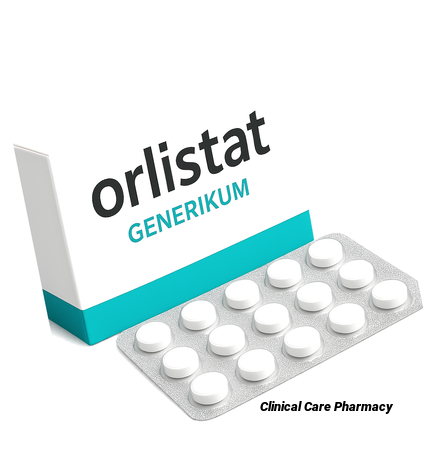
- Is orlistat available without prescription in the UK?
- What is a Pharmacy medicine and legal status?
- General information about orlistat
- How orlistat works to reduce fat absorption
- Price and availability information
- Strengths, formulations and pack types
- Clinical uses and obesity management
- UK legal classification: POM, P and GSL
- Alternatives for weight management
- Orlistat compared with other weight loss medicines
- Diet, lifestyle and compliance considerations
- Common side effects and tolerability
- Long-term use and nutritional considerations
- Warnings, contraindications and interactions
- Additional information about orlistat
Is orlistat available without prescription in the UK?
Orlistat is primarily authorised as a Prescription Only Medicine (POM) in the UK at the standard 120 mg dosage for obesity management. However, a lower strength of orlistat (60 mg), marketed under the brand name Alli, is available as a Pharmacy medicine (P) for purchase without prescription. When seeking to buy orlistat 120 mg online without prescription, consumers often find unregulated sources that may offer cheap orlistat. Purchasing orlistat without a valid prescription carries legal and safety risks. Always verify that online retailers comply with UK legislation and professional pharmacy standards before ordering generic or branded orlistat products.
What is a Pharmacy medicine and legal status?
In the UK, human medicines are classified into three categories: Prescription Only Medicine (POM), Pharmacy medicine (P) and General Sales List (GSL). Pharmacy medicines can be supplied without a prescription but only by a registered pharmacist or under their supervision. The classification of any orlistat product depends on its strength, formulation, intended use and approved marketing authorisation. While generic or branded orlistat 60 mg capsules for weight loss can be sold as a P medicine, the 120 mg strength remains POM, requiring a valid prescription for lawful supply.
General information about orlistat
What is orlistat?
Orlistat is a lipase inhibitor that reduces the absorption of dietary fats in the gastrointestinal tract. By blocking the action of pancreatic and gastric lipases, orlistat prevents up to 30% of ingested fat from being absorbed, leading to reduced caloric intake and weight loss when combined with a reduced-calorie, low-fat diet.
Who can use orlistat?
Orlistat is typically prescribed for adults with a body mass index (BMI) of 30 kg/m² or greater, or a BMI of 28 kg/m² or greater in the presence of other risk factors such as hypertension, diabetes or dyslipidaemia. The 60 mg preparation may be considered for self-care weight management in adults seeking to purchase orlistat online without prescription, provided they meet eligibility criteria and follow professional advice.
What are the inactive ingredients?
Inactive ingredients in orlistat products vary by manufacturer. Common excipients include microcrystalline cellulose, sodium starch glycolate, hydroxypropyl methylcellulose and magnesium stearate. Differences in coating and capsule shell composition may affect storage, stability and tolerability but do not alter the primary mechanism of action.
Is orlistat an appetite suppressant?
No. Orlistat does not act on the central nervous system or appetite regulation. It functions locally in the gut to inhibit fat absorption. Patients using orlistat are advised to adhere strictly to dietary fat restrictions to minimize gastrointestinal side effects and maximize efficacy.
Is orlistat a stimulant?
No. Unlike some weight-loss medicines that have stimulant or sympathetic effects, orlistat does not increase heart rate or blood pressure via central mechanisms.
How orlistat works to reduce fat absorption
What are pancreatic and gastric lipases?
Pancreatic and gastric lipases are enzymes responsible for the breakdown of triglycerides into absorbable free fatty acids and monoglycerides. Orlistat binds covalently to the active site of these lipases, rendering them inactive and reducing the hydrolysis of dietary fats.
How does unabsorbed fat affect energy balance?
When fat remains unabsorbed, it passes through the gastrointestinal tract and is excreted. This loss of dietary energy contributes to a negative caloric balance, which, together with diet and exercise, leads to weight loss over time.
Does orlistat affect protein or carbohydrate absorption?
No. Orlistat selectively inhibits fat digestion. Absorption of proteins, carbohydrates, minerals and other nutrients remains largely unaffected, although overall caloric intake reduction may influence nutrient status indirectly.
Why must orlistat be taken with meals?
For maximum effectiveness, orlistat should be taken during or up to one hour after each main meal that contains fat. If a meal is missed or contains no fat, a dose of orlistat may be skipped to reduce the risk of gastrointestinal adverse effects.
Does the amount of fat in a meal alter orlistat’s action?
Yes. The efficacy and side effect profile of orlistat depend on the fat content of the diet. A low-fat diet (no more than 30% of total energy from fat) is recommended to optimize weight loss and minimize oily spotting, flatulence, faecal urgency or fatty stools.
Price and availability information
How much does orlistat cost in the UK?
The retail price of orlistat varies by strength, brand (branded Xenical vs generic), pack size, retailer and whether a prescription is provided. Buying orlistat online without prescription may seem cheaper, but unregulated sources risk quality and safety. Always compare legitimate pharmacy prices and ask Clinical Care Pharmacy for the best price on genuine orlistat products.
Why can online prices vary between suppliers?
Price differences reflect factors such as wholesale purchase agreements, overheads, discounts, pack presentation, marketing authorisation fees and retailer pricing strategies. Low cost does not guarantee authenticity or regulatory compliance.
| Example | Strength | Formulation | Price | Status | Note |
|---|---|---|---|---|---|
| Xenical | 120 mg | Capsules | £65.00 (28 pack) | POM | UK prescription required |
| Orlistat generic | 60 mg | Capsules | £25.00 (42 pack) | P | Pharmacy medicine, no prescription |
| Online unlicensed | 120 mg | Capsules | £15.00 (30 pack) | Unregulated | Risk of counterfeit or substandard product |
Strengths, formulations and pack types
What strengths of orlistat exist?
Available strengths include 60 mg (Alli® generics and branded) and 120 mg (Xenical® and generic). The 60 mg is authorised as a Pharmacy medicine for self-care weight management, whereas 120 mg requires prescription under UK law.
What formulations are available?
Orlistat is supplied as oral capsules for administration during or after meals. Capsule shell and excipients may vary between proprietary and generic products but all meet regulatory standards for release and stability.
Why does pack size matter?
Pack size can influence legal classification, approved duration of use and total cost. Prescription packs are typically 84 capsules (28-day supply), while Pharmacy medicine packs of 60 mg may be larger for self-care use. Always confirm the authorised pack size and dosing instructions when purchasing orlistat online.
| Feature | Why it matters |
| Active ingredient | Determines pharmacological action |
| Strength | Affects legal status and dosing |
| Formulation | Capsule composition influences release |
| Pack size | Impacts authorised duration and cost |
| Legal category | Determines supply conditions |
Are generic and branded orlistat identical?
Generic orlistat capsules contain the same active ingredient at the stated strength and must meet quality, safety and efficacy requirements. Differences lie in manufacturer, capsule shell, excipients and packaging.
Clinical uses and obesity management
What is obesity?
Obesity is defined by a BMI ≥30 kg/m² and is associated with increased risk of cardiovascular disease, type 2 diabetes, joint problems, sleep apnoea and certain cancers. Orlistat is used as part of a comprehensive weight-loss program that includes diet, exercise and behavioural changes.
Who is eligible for orlistat therapy?
Adults with BMI ≥30 kg/m² or BMI ≥28 kg/m² with comorbidities may be eligible. The 60 mg dose can be used without prescription by individuals seeking self-care, provided they understand contraindications and follow guidance on diet and monitoring.
How should orlistat therapy be monitored?
Regular follow-up with a healthcare professional is recommended to assess weight loss, dietary adherence, side effects and nutrient status. A 10% weight loss at 12 weeks is an indicator of adequate response to continue therapy.
Can orlistat be combined with other medications?
Orlistat may be prescribed alongside antihypertensives, antidiabetics and lipid-lowering agents. Monitoring is essential to adjust doses and manage potential drug–nutrient interactions. Certain medications, such as cyclosporine or levothyroxine, require specific timing when co-administered with orlistat.
UK legal classification: POM, P and GSL
What is a POM?
A Prescription Only Medicine requires a valid prescription from a qualified prescriber. Orlistat 120 mg is a POM, while orlistat 60 mg is a Pharmacy medicine (P).
What is a Pharmacy medicine (P)?
Pharmacy medicines can be supplied by a registered pharmacist without a prescription but under professional oversight. Alli® 60 mg and generic 60 mg orlistat fall under this category, allowing purchase for weight loss without prescription.
What is a GSL medicine?
General Sales List medicines can be sold in various retail outlets without pharmacy supervision. Orlistat does not currently have a GSL classification in any strength in the UK.
Why does classification matter?
Classification affects supply conditions, professional oversight, consumer safety and legal compliance. Attempting to buy orlistat 120 mg online without prescription may contravene UK law and risk product quality.
Who regulates medicine classification in the UK?
The Medicines and Healthcare products Regulatory Agency (MHRA) oversees classification, licensing and quality of medicines in the UK.
Alternatives for weight management
What other pharmacological options exist?
- GLP-1 receptor agonists (e.g., liraglutide, semaglutide) – prescription only;
- Naltrexone/bupropion combination – prescription only;
- Phentermine (POM in some countries but not UK);
- Orlistat 60 mg as Pharmacy medicine;
- Herbal and nutraceutical products (regulation varies, evidence limited).
Why are lifestyle interventions critical?
Diet modification, increased physical activity and behavioural support form the cornerstone of weight management and enhance the efficacy of pharmacotherapy.
Orlistat compared with other weight loss medicines
How does orlistat compare with GLP-1 receptor agonists?
GLP-1 agonists act centrally to suppress appetite and delay gastric emptying, whereas orlistat acts peripherally in the gut. GLP-1 agonists may achieve greater average weight loss but require injection and are prescription only. Orlistat is oral, over-the-counter (60 mg) or prescription (120 mg).
How does orlistat compare with sympathomimetic agents?
Sympathomimetic agents suppress appetite via central stimulant action and have cardiovascular side effects. Orlistat’s mode of action is confined to the gastrointestinal tract, avoiding stimulant-related risks but posing gastrointestinal tolerability issues.
How does orlistat compare with dietary supplements?
Dietary supplements often lack robust clinical evidence, while orlistat has well-documented efficacy and safety profiles. However, supplements do not require prescription or pharmacy supervision, which may mislead consumers seeking cheap alternatives online.
| Feature | Orlistat | GLP-1 agonist | Sympathomimetic |
| Drug class | Lipase inhibitor | Peptide agonist | Central stimulant |
| Mechanism | Reduces fat absorption | Appetite suppression | Appetite suppression |
| OTC availability | 60 mg only | No | No UK licence |
| Prescription uses | 120 mg only | Yes | Varies |
Is one approach always better?
No. Choice depends on individual risk factors, comorbidities, patient preference, cost considerations and clinical oversight requirements.
Diet, lifestyle and compliance considerations
Why is a low-fat diet important?
A diet containing no more than 30% of energy from fat reduces gastrointestinal side effects and optimizes orlistat efficacy. Meals should be balanced with fruits, vegetables, lean protein and whole grains.
How does exercise complement orlistat therapy?
Regular physical activity enhances energy expenditure, supports muscle mass preservation and contributes to cardiovascular health, magnifying the benefits of orlistat-induced fat malabsorption.
Can orlistat affect vitamin absorption?
Yes. Orlistat can impair absorption of fat-soluble vitamins (A, D, E and K). A balanced multivitamin supplement taken at bedtime or separated by at least two hours from orlistat doses is recommended to prevent deficiencies.
Why is adherence important?
Consistent dosing with meals, dietary compliance and ongoing professional support are essential to maximize weight loss and minimize adverse effects when purchasing orlistat online at a cheap price.
Common side effects and tolerability
What gastrointestinal side effects can occur?
Orlistat’s most frequent adverse effects are gastrointestinal and include oily spotting, flatulence with discharge, faecal urgency, and oily or fatty stools. These side effects often diminish over time if dietary fat is restricted.
| Area | Examples described in product information |
| Gastrointestinal | Oily rectal leakage, faecal urgency, flatulence with discharge |
| Digestive | Abdominal pain, discomfort, diarrhoea |
| General | Headache, fatigue (less common) |
| Nutritional | Vitamin deficiency if supplements omitted |
Why do side effects occur?
Side effects are a result of unabsorbed fat remaining in the intestine, leading to lubrication of stool and increased motility. Adjusting dietary fat intake usually mitigates these reactions.
Are side effects dose-related?
Yes. Higher fat intake correlates with more frequent and severe gastrointestinal adverse effects. Starting with the lowest effective dose (60 mg) may improve tolerability for self-care weight management.
Long-term use and nutritional considerations
Can long-term orlistat use cause deficiencies?
Prolonged inhibition of fat absorption can reduce uptake of fat-soluble vitamins and essential fatty acids. Monitoring blood levels and appropriate supplementation are recommended during extended therapy.
What monitoring is needed?
Periodic assessment of weight, BMI, dietary intake, digestive tolerability and nutrient status is advised. Liver function tests and renal monitoring may also be indicated in specific circumstances.
When should therapy be reassessed?
If no clinically meaningful weight loss occurs after 12 weeks at recommended doses, therapy should be discontinued or re-evaluated by a healthcare professional to consider alternative treatments.
Warnings, contraindications and interactions
Who should avoid orlistat?
- Pregnant or breastfeeding women;
- Patients with chronic malabsorption syndromes or cholestasis;
- Patients with histories of gallbladder disease or pancreatitis;
- Individuals allergic to any component of the medicine;
- Children under 18 years (safety not established).
Can orlistat interact with other medicines?
Yes. Orlistat may reduce absorption of lipophilic drugs such as ciclosporin and warfarin. Levothyroxine absorption may be affected if taken simultaneously; separate administration by at least four hours is recommended.
Why is alcohol intake relevant?
Alcohol contributes additional calories and may exacerbate gastrointestinal symptoms. Moderation is advised as part of a weight-loss strategy.
Why are warning symptoms important?
Severe or persistent gastrointestinal symptoms require medical evaluation to exclude conditions such as colitis, diarrhoeal diseases or fat malabsorption unrelated to orlistat.
Additional information about orlistat
What does “generic orlistat” mean?
Generic orlistat contains the same active ingredient as Xenical®, meeting regulatory standards for quality, safety and efficacy. Variations in excipients and packaging do not affect the core lipase-inhibiting action.
Why can pack leaflets differ?
Different products have separate marketing authorisations, patient information leaflets and approved indications. Always read the leaflet supplied with your specific orlistat product when purchasing orlistat online.
Where can UK medicine information be verified?
Reliable sources include the MHRA, electronic Medicines Compendium (eMC) and professional pharmacy teams. Before ordering generic or branded orlistat online without prescription, ensure the source is registered with the MHRA.
Does this information replace advice from a pharmacist?
No. This article is provided by Clinical Care Pharmacy, Unit 4 Brian Clough Business Centre, 200-222 Cotton Lane, Derby, for general information only. For tailored advice on buying, ordering or pooling cheap orlistat products in the UK, please speak to our pharmacy team.