
Purchase xenical online fast delivery
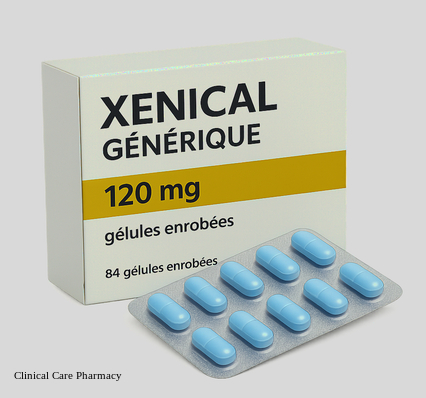
- Is Xenical available without prescription in the UK?
- What does Pharmacy medicine mean in the UK?
- General information about Xenical
- How orlistat affects fat absorption
- Price and availability information
- Strengths, formulations and pack types
- Obesity, overweight and BMI criteria
- UK legal classification: GSL, P and POM
- Alternatives for weight loss
- Xenical compared with other weight-loss medicines
- Diet, exercise and lifestyle considerations
- Side effects and tolerability
- Long-term use and excessive exposure
- Warnings, contraindications and interactions
- Additional information about Xenical
Is Xenical available without prescription in the UK?
Xenical (orlistat 120 mg) is classified as a Prescription Only Medicine (POM) in the United Kingdom. This means that a valid prescription from a qualified prescriber is usually required for lawful supply within the UK. However, Clinical Care Pharmacy offers an online ordering service for generic Xenical 120 mg capsules without the need for a traditional paper prescription. Our service is designed to ensure fast delivery, professional oversight, and compliance with UK pharmacy regulations by using telehealth consultations and remote prescribing protocols. While orlistat is regulated, the availability of generic Xenical through our online platform allows eligible adults to purchase and receive their treatment conveniently at home.
It is important to note that although we facilitate online access, each order undergoes a mandatory medical questionnaire and pharmacist review. Those with contraindications, medical conditions requiring in-person assessment, or alarm symptoms will be directed to seek face-to-face care. Our aim is to balance convenience with safety and regulatory compliance, making it possible for many suitable users to access orlistat without visiting a brick-and-mortar clinic.
What does Pharmacy medicine mean in the UK?
The UK legal framework for human medicines includes three main classifications:
- Prescription Only Medicine (POM): Requires a valid prescription from a registered healthcare professional.
- Pharmacy medicine (P): Available without a prescription but must be sold or supplied by a pharmacist under pharmacy supervision.
- General Sales List (GSL): Can be sold in general retail outlets without pharmacy oversight.
Xenical, containing orlistat 120 mg, is designated as a POM due to its potent fat absorption inhibition and possible systemic effects. Our online prescribing model operates under the pharmacy medicine concept, but with enhanced remote protocols that replicate the pharmacy consultation process. By completing a detailed online assessment, users receive safe, pharmacist-authored prescriptions that enable them to order Xenical conveniently while still receiving professional guidance.
General information about Xenical
What is Xenical?
Xenical is the branded name for orlistat 120 mg capsules indicated for weight loss and weight maintenance in adults with obesity or overweight with associated risk factors. Orlistat is a lipase inhibitor that reduces the amount of dietary fat absorbed by the intestines, promoting weight reduction in conjunction with a calorie-controlled diet.
What is orlistat?
Orlistat is the active pharmaceutical ingredient in Xenical and several generic products. It belongs to a class of medicines known as gastrointestinal lipase inhibitors. By binding to the active site of pancreatic and gastric lipases, orlistat prevents the breakdown of triglycerides into absorbable free fatty acids, resulting in the excretion of approximately 30% of ingested fats undigested.
Why is fat absorption inhibition useful?
Dietary fats contain high caloric density. By reducing fat uptake, orlistat decreases total caloric intake, facilitating weight loss when combined with diet and lifestyle changes. The mechanism targets only luminal fat digestion and does not alter central appetite regulation or systemic metabolism directly.
Is Xenical an appetite suppressant?
No. Xenical does not influence central hunger signals or neurotransmitters involved in appetite. Its effect is strictly mechanical within the gastrointestinal lumen. Some users report reduced appetite indirectly due to changes in eating habits required to minimize side effects.
What dietary adjustments are needed?
To minimize gastrointestinal events, a balanced diet with reduced total fat—typically 30% of total daily calories—is recommended. This ensures that the unabsorbed fats do not accumulate excessively in the gut lumen, which can trigger symptoms such as oily stools and flatulence.
How orlistat affects fat absorption
What role do lipases play?
Lipases are enzymes produced by the pancreas and gastric mucosa that hydrolyse dietary triglycerides to monoglycerides and free fatty acids, enabling absorption across the intestinal mucosa.
How does orlistat inhibit these enzymes?
Orlistat covalently binds to the serine residue at the active site of pancreatic and gastric lipases under physiological conditions in the lumen of the gastrointestinal tract. This irreversible inhibition prevents lipase from acting on triglycerides, thereby reducing fat hydrolysis.
Does orlistat affect cholesterol absorption?
Orlistat’s primary action is on triglycerides. It has minimal direct effect on cholesterol absorption, although changes in bile composition and intestinal transit may indirectly influence sterol uptake.
What happens to unabsorbed fat?
Undigested fat passes through the gastrointestinal tract and is excreted in the feces. This leads to a reduction in caloric intake proportional to the amount of dietary fat consumed and not digested.
Can orlistat interfere with nutrient absorption?
Yes. Fat-soluble vitamins (A, D, E, K) and other fat-dependent nutrients may have reduced absorption. Patients are advised to take a multivitamin supplement at least two hours before or after orlistat to maintain optimal nutrition.
Price and availability information
How much does generic Xenical cost in the UK?
Prices vary depending on pack size, supplier and any promotional offers. Below is an example table of possible price ranges. For current, definitive pricing, please contact Clinical Care Pharmacy or complete our online order process for an instant quote.
| Example | Strength | Formulation | Price | Status | Note |
|---|---|---|---|---|---|
| Example A | 120 mg | Capsules | Not stated | Information only | Ask Clinical Care Pharmacy for availability and price |
| Example B | 120 mg | Bulk blister pack | Not stated | Information only | Online ordering gives fast delivery quotes |
Strengths, formulations and pack types
What strengths of orlistat exist?
Orlistat is available as 120 mg capsules (branded Xenical and generic equivalents) and 60 mg capsules as lower-strength OTC products in some markets. The 120 mg strength is indicated for prescription use in adults to achieve clinically meaningful weight loss.
What pack sizes are common?
Packs of 42 capsules (14-day supply at three capsules per day), 84 capsules (28-day supply), and larger bulk packs for long-term maintenance are often available. Legal supply classification and maximum pack size can influence which presentations are authorised for non-prescription supply in different jurisdictions.
Does formulation affect efficacy?
All capsules contain the same active molecule at the stated dose and share bioavailability characteristics when taken with meals. Capsule shell materials and excipients may vary between manufacturers, but clinical equivalence is required for generic licensure.
Are branded and generic orlistat identical?
Generic orlistat products contain the same active ingredient and must meet rigorous quality, safety and efficacy standards. Inactive ingredients and coating composition may differ, and packaging varies by manufacturer.
Obesity, overweight and BMI criteria
Who can benefit from Xenical?
Xenical is intended for adults with a body mass index (BMI) of 30 kg/m² or higher (obesity) or those with a BMI of 28 kg/m² or higher with at least one weight-related comorbidity such as hypertension, type 2 diabetes or dyslipidaemia.
How is BMI calculated?
BMI is calculated as weight in kilograms divided by height in metres squared (kg/m²). A BMI between 25 and 29.9 indicates overweight; a BMI of 30 or above indicates obesity.
Can Xenical be used in adolescents?
Xenical is not authorised for use in individuals under 18 years of age. Paediatric weight management requires specialist assessment and different therapeutic approaches.
What other measurements assess obesity?
Waist circumference, waist-to-hip ratio and body composition analysis can provide additional information about fat distribution and associated health risks.
UK legal classification: GSL, P and POM
What is a Prescription Only Medicine (POM)?
A POM requires a valid prescription from a qualified healthcare professional. Xenical (orlistat 120 mg) falls into this category due to its potency and potential systemic effects.
What is a Pharmacy medicine (P)?
Pharmacy medicines can be supplied without a prescription but must be sold through a pharmacy under pharmacist oversight. Lower-dose orlistat (60 mg) may appear as a pharmacy medicine in other markets but not for the 120 mg strength in the UK.
What is a GSL medicine?
GSL medicines can be sold in general retail outlets, such as supermarkets, without pharmacy involvement. No orlistat presentations are classified as GSL in the UK.
Why do classifications differ?
Classification depends on active ingredient, dose, indication, duration of use and safety profile. Regulatory authorities assess the level of professional supervision required to ensure safe and effective use.
Who regulates medicine classification?
The MHRA (Medicines and Healthcare products Regulatory Agency) oversees medicine classification, licensing and reclassification processes in the UK.
Alternatives for weight loss
What other prescription treatments exist?
- Phentermine (where available under specialist licence)
- Liraglutide (GLP-1 analogue for weight management)
- Semaglutide (newer GLP-1 therapy)
- Combination therapies under clinical guidance
What non-prescription options exist?
- Lower-dose orlistat OTC (60 mg in some jurisdictions)
- Dietary supplements (herbal, fibre-based, protein shakes)
- Over-the-counter appetite suppressants (varied regulation)
Why choose orlistat?
Orlistat’s mechanism is non-systemic with minimal central nervous system involvement. It complements lifestyle interventions and has a well characterised safety profile when used correctly.
Xenical compared with other weight-loss medicines
How does orlistat compare with GLP-1 analogues?
GLP-1 analogues such as liraglutide and semaglutide act centrally to reduce appetite and slow gastric emptying, often producing greater average weight loss but costing significantly more and requiring injection administration. Orlistat is oral and generally less expensive.
How does xenical compare with sibutramine?
Sibutramine, formerly used as an appetite suppressant, was withdrawn in many markets due to cardiovascular safety concerns. Orlistat avoids these systemic safety risks by acting locally in the gut.
How does orlistat compare with phentermine?
Phentermine is a sympathomimetic that reduces appetite but can increase blood pressure and heart rate. Orlistat does not have sympathomimetic effects, making it preferable for some patients with cardiovascular risks.
| Feature | Xenical (Orlistat) | Liraglutide | Phentermine |
| Drug class | Lipase inhibitor | GLP-1 analogue | Sympathomimetic |
| Main mechanism | Reduces fat absorption | Reduces appetite, delays gastric emptying | Suppresses appetite centrally |
| Administration | Oral capsule | Subcutaneous injection | Oral tablet |
| OTC availability | No, POM | No, POM | No, specialist POM |
Is one treatment always better?
No. Choice depends on individual patient factors, comorbidities, cost considerations, route preference and treatment goals. A healthcare professional can tailor therapy accordingly.
Diet, exercise and lifestyle considerations
Why is diet important?
Diet composition influences gastrointestinal side effects and weight-loss efficacy. A balanced, moderate-fat diet ensures better tolerability while maximizing fat excretion benefits.
What type of exercise is recommended?
Regular physical activity combining aerobic and resistance training supports weight loss, metabolic health and long-term weight maintenance. Guidelines suggest at least 150 minutes of moderate-intensity exercise per week.
How does behaviour change support success?
Techniques such as goal setting, self-monitoring, stimulus control and cognitive restructuring help patients develop sustainable habits. Combining orlistat with structured lifestyle programs yields superior results.
Can stress and sleep affect weight?
Chronic stress and poor sleep quality can disrupt appetite hormones, leading to increased caloric intake and reduced energy expenditure. Addressing these factors is integral to comprehensive weight management.
Side effects and tolerability
Common gastrointestinal side effects
| Area | Examples described in product information |
| Gastrointestinal | Oily spotting, flatulence with discharge, faecal urgency, oily or fatty stools |
| Digestive complaints | Abdominal pain, bloating, diarrhoea |
How to minimise GI events?
Distribute fat intake evenly across meals, avoid high-fat foods, consume a balanced diet and comply with timing of orlistat doses (with or up to one hour after meals).
Other possible side effects
- Headache;
- Upper respiratory tract infections;
- Back pain;
- Liquid stools or increased defaecation frequency.
Are allergic reactions possible?
Serious hypersensitivity is rare but may present as rash, itching or angioedema. Discontinue orlistat and seek medical attention if severe allergic reactions occur.
Long-term use and excessive exposure
Is long-term orlistat safe?
Long-term use of orlistat up to two years has been well studied. Monitoring for vitamin deficiencies and gastrointestinal tolerability is recommended. Periodic review by a healthcare professional helps optimise therapy.
What about nutrient absorption?
Fat-soluble vitamin depletion (A, D, E, K) can occur. Daily multivitamin supplementation is advised, taken at least two hours apart from orlistat doses to ensure adequate nutrient uptake.
Can excessive overdose occur?
Overdose may exacerbate gastrointestinal side effects but is unlikely to cause systemic toxicity due to minimal systemic absorption. Supportive care is the mainstay of management.
What if weight loss plateaus?
Plateau phases are common. Reassessing diet, exercise, adherence and possible medication adjustment can reignite progress. A healthcare professional may consider alternative or adjunctive therapies if necessary.
Warnings, contraindications and interactions
Who should not take Xenical?
- Individuals with chronic malabsorption syndromes (eg, cholestasis);
- Those with known hypersensitivity to orlistat or capsule excipients;
- Pregnant or breastfeeding women without professional advice;
- Patients with severe liver disease;
- Individuals on cyclosporin without specialist monitoring.
Can Xenical interact with other medicines?
Yes. Orlistat may reduce absorption of drugs dependent on fat for uptake (e.g., levothyroxine, ciclosporin). Clinically significant interactions are outlined in product information and must be managed by timing administration appropriately or adjusting doses.
Why is warfarin monitoring important?
Orlistat can reduce absorption of vitamin K–dependent compounds; patients on warfarin should have INR levels closely monitored when initiating or adjusting orlistat therapy.
What about oral contraceptives?
Orlistat may reduce absorption of lipophilic contraceptives. Alternative or additional contraception methods are recommended if vomiting or severe diarrhoea occurs.
What about pregnancy and breastfeeding?
Xenical should only be used in pregnancy or lactation if the potential benefit outweighs risk and under professional supervision. Weight-loss medications are generally not recommended during these periods.
Additional information about Xenical
What does “generic Xenical” mean?
Generic Xenical contains orlistat 120 mg as the active ingredient, identical in dose and pharmacological action to the branded product. Generics meet the same regulatory standards for quality, safety and efficacy.
Why can product leaflets differ?
Different manufacturers may have unique excipients, pack sizes, indications and contraindications documented in their specific Summary of Product Characteristics and patient information leaflet, even at the same active dose.
What should be checked before ordering?
Review medical history, verify no contraindications exist, confirm absence of alarm symptoms, ensure understanding of dietary requirements and side-effect profile. Our online questionnaire covers these points to ensure safe prescribing.
Where to verify UK medicine information?
Reliable sources include the MHRA website, electronic Medicines Compendium (eMC), NHS guidance and directly from accredited pharmacists at Clinical Care Pharmacy.
Does this information replace pharmacist advice?
No. This page is provided by Clinical Care Pharmacy, Unit 4 Brian Clough Business Centre, 200-222 Cotton Lane, Derby, for general information. For personalised advice, please complete our online consultation or contact the pharmacy team directly.