
Buy xenical without prescription generic
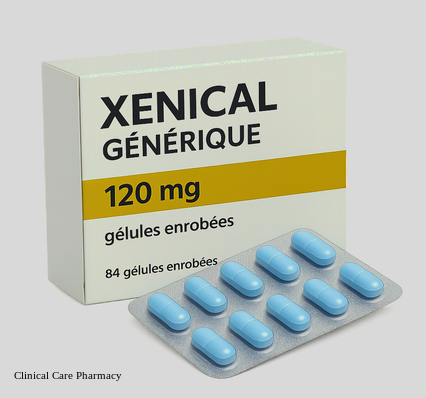
- Is Xenical available without prescription in the UK?
- What does Pharmacy medicine mean in the UK?
- General information about Xenical (orlistat)
- How Xenical affects fat absorption
- Price and availability information
- Strengths, formulations and pack types
- Obesity, overweight and weight management
- UK legal classification: GSL, P and POM
- Alternatives for weight loss
- Xenical compared with other weight-loss medicines
- Diet, exercise and lifestyle considerations
- Side effects and tolerability
- Long-term use and weight maintenance
- Warnings, contraindications and interactions
- Additional information about generic Xenical
Is Xenical available without prescription in the UK?
Xenical (active substance orlistat) is classified as a Prescription Only Medicine (POM) in the United Kingdom. Unlike some over-the-counter weight-loss aids or pharmacy medicine (P) products, genuine brand Xenical or its generics typically require a prescription issued by a qualified healthcare professional. However, this website offers a private online pharmacy service allowing customers to purchase genuine generic or brand Xenical without a traditional printed prescription. Our clinical team reviews your online health questionnaire before dispensing, ensuring safe, legal supply under UK regulations. This means you can order Xenical fast delivery online without the hassle of visiting a doctor in person, while still meeting the standards set by the MHRA.
What does Pharmacy medicine mean in the UK?
In the UK, human medicines are classified into three main supply categories: Prescription Only Medicine (POM), Pharmacy medicine (P) and General Sales List (GSL). Pharmacy medicines can be supplied from a registered pharmacy under the supervision of a pharmacist after a brief consultation but do not require a formal prescription. They are often labelled “P medicines” and include treatments like some cough preparations or topical treatments. Xenical, however, is a POM, meaning its sale and supply must follow prescription rules. This ensures that a healthcare professional assesses your suitability and any potential drug interactions before you begin taking orlistat regularly.
General information about Xenical (orlistat)
What is Xenical?
Xenical is the brand name for the anti-obesity drug orlistat. Orlistat works by inhibiting the action of gastric and pancreatic lipases, enzymes responsible for breaking down dietary fats in the gastrointestinal tract. By preventing the hydrolysis of triglycerides, orlistat reduces the absorption of fats from the diet by approximately 30%. The unabsorbed fats are excreted in the stool, contributing to a caloric deficit and supporting weight loss when combined with a reduced-calorie diet and healthy lifestyle.
What is generic Xenical?
Generic Xenical contains the same active ingredient, orlistat, at the same dosage and quality standards as the branded medicine. Generics are authorised after demonstrating bioequivalence to the reference product, meaning they produce the same therapeutic effect in the body. Generic formulations may differ in inactive ingredients, tablet coating, size or color but meet the same regulatory requirements for safety, efficacy and quality. Generic Xenical typically costs less than the brand-name product, offering a more affordable option for long-term weight management.
Why is orlistat used for weight management?
Obesity and overweight are linked to numerous health risks, including type 2 diabetes, cardiovascular disease, hypertension and joint problems. Orlistat is one of the few licensed pharmacological therapies for long-term obesity management that works by reducing dietary fat absorption rather than suppressing appetite or altering metabolism. It is indicated as an adjunct to a nutritionally balanced, reduced-calorie diet in adults with a body mass index (BMI) ≥30 kg/m² (obese) or ≥28 kg/m² (overweight) with associated risk factors such as hypertension, dyslipidaemia or diabetes.
How should Xenical be taken?
Xenical is supplied as a 120 mg gastro-resistant capsule. The recommended dose is one capsule taken with each main meal containing fat, up to three times daily. If a meal is missed or contains no fat, the dose may be omitted. Timing with meals is important: orlistat must be present in the gastrointestinal tract during digestion of dietary fats to be effective. Patients are advised to follow a nutritionally balanced, reduced-calorie diet where approximately 30% of calories come from fat, to aid tolerance and avoid side effects such as oily stools or flatulence.
Is Xenical a stimulant or appetite suppressant?
No. Unlike some weight-loss medications that act on the central nervous system to suppress appetite or increase metabolism, orlistat operates by blocking intestinal fat absorption. This peripheral mechanism minimizes systemic side effects and potential dependency associated with stimulants or appetite-suppressing drugs.
How Xenical affects fat absorption
What are lipases?
Pancreatic and gastric lipases are key digestive enzymes secreted into the stomach and small intestine. They hydrolyse dietary triglycerides into absorbable free fatty acids and monoglycerides. By inhibiting these enzymes, orlistat prevents fat breakdown and reduces the amount of fat the body can absorb.
How does orlistat inhibit lipase?
Orlistat covalently binds to the serine residue in the active site of gastric and pancreatic lipases, rendering them inactive. This binding is selective, and the drug remains largely localised within the gastrointestinal tract, undergoing minimal systemic absorption (less than 1%). The effect persists while the capsule dissolves and orlistat is present in the lumen of the intestine.
Does Xenical affect the absorption of other nutrients?
Yes. Orlistat can reduce the absorption of fat-soluble vitamins (A, D, E and K) and carotenoids. Patients are advised to take a multivitamin supplement at least 2 hours before or after each orlistat dose, or at bedtime, to maintain adequate micronutrient levels. The balanced diet recommended with Xenical use should include sufficient low-fat sources of essential vitamins and minerals.
Why is dietary fat level important?
Higher fat intake can increase the incidence of gastrointestinal side effects, such as oily spotting, flatulence with discharge, and urgent bowel movements. A moderate-fat diet with consistent fat content helps minimize these effects and improve tolerability. Nutritional advice and ongoing support from a pharmacist or dietitian can help patients adhere to dietary recommendations and optimize treatment outcomes.
Can Xenical reduce body weight maintenance plateau?
During long-term weight management, plateaus often occur as the body adapts to caloric deficits. Orlistat may help overcome plateaus by ensuring that a portion of dietary fat continues to pass unabsorbed, sustaining a negative energy balance when combined with continued dietary vigilance and physical activity.
Price and availability information
How much does generic Xenical cost in the UK?
Prices vary by supplier, pack size and whether the product is branded or generic. Generic Xenical often offers savings of 30–50% compared with brand-name capsules. Our online pharmacy provides competitive pricing on orlistat generic orders, with fast UK delivery and options to pay securely via credit card or PayPal. Current prices start from as low as £20 for a 30-capsule pack of generic orlistat, subject to our regular promotions and volume discounts.
Why can prices vary between suppliers?
Differences in pricing may reflect wholesale purchase costs, supply chain logistics, pack size, brand licensing fees and retailer strategies. Bulk orders and ongoing subscription plans can also reduce your per-capsule cost over time. At Clinical Care Pharmacy, we strive to keep our prices affordable and transparent, with clear information on shipping fees and delivery times.
| Example | Strength | Formulation | Price | Status | Note |
|---|---|---|---|---|---|
| Generic Orlistat A | 120 mg | Gastro-resistant capsules | £19.99 (30 count) | Prescription Only | Order online with clinical review |
| Generic Orlistat B | 120 mg | Gastro-resistant capsules | £34.99 (60 count) | Prescription Only | Cheaper per capsule in bulk pack |
Strengths, formulations and pack types
What strengths of orlistat are authorised?
Orlistat is typically supplied in a single strength: 120 mg gastro-resistant capsules for adults. There is also a lower-strength formulation (60 mg) available in some markets for over-the-counter use in weight management at lower doses, but this 60 mg variant is not authorised in the UK.
What formulations exist?
Gastro-resistant capsules are the standard formulation, designed to dissolve in the neutral pH of the small intestine to ensure orlistat reaches the site of action without degradation by gastric acid. Generic versions may feature different capsule shell materials, coloring or imprinting, but the active ingredient and mechanism remain identical.
Why does pack type matter?
Pack size influences the duration of self-care before a prescription review or physician follow-up is recommended. Standard prescription packs contain 30, 60 or 90 capsules, covering one to three months of daily treatment. Our online pharmacy allows you to select the pack size that best suits your treatment plan, with discounts for larger quantities.
| Feature | Why it matters |
| Active ingredient | Ensures consistency and efficacy |
| Strength | 120 mg is the standard dose for weight management |
| Formulation | Gastro-resistant design optimizes delivery |
| Pack size | Affects treatment duration and monitoring |
| Legal category | Prescribed by a pharmacist after assessment |
Are generics as effective as brand Xenical?
Yes. Generic orlistat products approved in the UK must demonstrate bioequivalence to the reference product. This means they deliver orlistat into the bloodstream (or remain in the GI tract) at the same rate and extent, producing equivalent clinical outcomes when used under the same conditions.
Obesity, overweight and weight management
What defines overweight and obesity?
Body mass index (BMI) categorises weight status: BMI 18.5–24.9 kg/m² is considered healthy, 25–29.9 kg/m² overweight, and ≥30 kg/m² obese. Clinical guidelines recommend pharmacotherapy, including orlistat, for adults with BMI ≥30 kg/m² or BMI ≥28 kg/m² with obesity-related risk factors.
Why is weight management important?
Excess weight increases the risk of conditions such as type 2 diabetes, cardiovascular disease, stroke and certain cancers. Achieving and maintaining a modest weight loss of 5–10% can significantly improve metabolic markers, blood pressure, and overall health outcomes.
How does Xenical fit into a treatment plan?
Xenical is used as an adjunct to diet and lifestyle changes. It is not a standalone solution; successful weight management also requires sustained dietary modifications, physical activity and behavioural support. Ideally, a multidisciplinary approach involving pharmacists, dietitians and healthcare professionals maximizes long-term success.
Who is eligible for Xenical treatment?
Adults aged 18–75 with BMI ≥30 kg/m², or BMI ≥28 kg/m² with additional risk factors, are potential candidates. Treatment should be initiated under medical supervision, with regular weight and health monitoring every three months to assess efficacy and safety.
UK legal classification: GSL, P and POM
What is a POM?
Prescription Only Medicine (POM) requires a prescription from a qualified prescriber such as a doctor, dentist or pharmacist operating under a Patient Group Direction or other legal framework. Xenical, containing orlistat 120 mg, remains a POM in the UK.
Can Xenical ever be a Pharmacy medicine?
No. Orlistat 120 mg is not authorised for supply under Pharmacy medicine classification, due to the need for medical oversight of weight-loss pharmacotherapy, monitoring of side effects and adjustment of concomitant therapies.
Why maintain strict classification for orlistat?
Weight-loss medications can interact with other drugs, affect nutrient absorption and require ongoing evaluation of cardiovascular and metabolic parameters. The POM classification ensures appropriate screening, counselling and follow-up by a healthcare professional.
Who regulates medicine classification in the UK?
The Medicines and Healthcare products Regulatory Agency (MHRA) oversees licensing, classification and safety monitoring of all human medicines, including any reclassification process for orlistat or other weight-management products.
Alternatives for weight loss
What other pharmacological options exist?
- Orlistat 60 mg (prescription in other markets, not UK OTC);
- Semaglutide (GLP-1 agonist) under specialist prescribing;
- Phentermine resins (restricted access in the UK);
- Lorcaserin (where authorised in Europe, limited availability);
- Combined lifestyle intervention programs.
Why choose orlistat over other treatments?
Orlistat has a distinct peripheral mechanism with minimal systemic absorption, limiting central nervous system side effects. It is cost-effective, long-established and supported by robust clinical trial data for weight loss and maintenance.
When might other therapies be preferred?
Where patients have contraindications to orlistat, experience intolerable GI side effects, or require greater weight losses beyond orlistat’s efficacy, GLP-1 receptor agonists or bariatric procedures may be indicated under specialist care.
Xenical compared with other weight-loss medicines
How does orlistat compare with semaglutide?
Both can produce significant weight loss when combined with lifestyle interventions, but semaglutide acts centrally on GLP-1 receptors to reduce appetite and slow gastric emptying, while orlistat works peripherally by blocking fat absorption. Semaglutide often achieves greater mean weight loss but at higher cost and with different side effect profiles, including nausea and injection-site reactions.
How does orlistat compare with phentermine?
Phentermine is an appetite suppressant with stimulant properties, restricted to short-term use in the UK due to cardiovascular risks. Orlistat may be preferred for longer-term treatment because of its favourable safety profile and absence of systemic stimulant effects.
| Feature | Orlistat (Xenical) | Semaglutide | Phentermine |
| Mechanism | Inhibits lipases, reduces fat absorption | GLP-1 receptor agonist, appetite suppressant | CNS stimulant, appetite suppressant |
| Route | Oral capsule | Subcutaneous injection | Oral tablet |
| Common side effects | GI disturbances | Nausea, vomiting | Insomnia, tachycardia |
| Cost | Lower (generic available) | High | Moderate |
| Duration | Long-term possible | Long-term specialist | Short-term only |
Is one treatment always better?
Choice depends on individual patient factors including BMI, comorbidities, previous treatment response, cost considerations and patient preference. Shared decision-making with a healthcare professional ensures optimal selection and monitoring.
Diet, exercise and lifestyle considerations
What dietary advice should accompany Xenical?
A nutritionally balanced, reduced-calorie diet is essential. Aim for approximately 30% of total energy intake from fat, with emphasis on lean proteins, complex carbohydrates, fruits and vegetables. Avoid high-fat meals to reduce orlistat-induced gastrointestinal discomfort.
How important is exercise?
Regular physical activity improves weight-loss outcomes, aids weight maintenance and supports cardiovascular health. Guidelines recommend at least 150 minutes per week of moderate-intensity aerobic activity, plus muscle-strengthening exercises on 2 or more days.
Can behaviour therapy help?
Behavioural interventions such as self-monitoring, goal setting and stimulus control enhance adherence to diet and medication. Professional support and structured programmes often yield better long-term adherence and weight-management success.
Are lifestyle changes permanent?
Yes. Sustainable weight management requires lifelong commitment to healthy eating patterns, regular activity and ongoing support. Orlistat can assist, but is most effective when integrated into a broader, enduring lifestyle plan.
Side effects and tolerability
What are the common side effects of Xenical?
Gastrointestinal effects caused by unabsorbed fats are the most frequent. These include:
- Oily spotting or discharge;
- Flatulence with discharge;
- Urgent or increased bowel movements;
- Fatty or oily stool;
- Abdominal cramps.
Side effects often occur early in treatment and may decrease over time as patients adhere to a lower-fat diet.
| System | Side effects |
| Gastrointestinal | Oily stools, flatulence, abdominal pain, faecal urgency |
| Metabolic | Reduced absorption of fat-soluble vitamins |
| Nervous system | Headache (rare) |
| Dermatologic | Steatorrhea-related anal irritation |
How to manage GI side effects?
Adhering to a moderate-fat diet, dividing daily fat intake evenly across meals and taking multivitamin supplements can significantly reduce unpleasant effects. If side effects are severe, discuss dose adjustment or dietary counselling with our pharmacy team.
When should side effects prompt medical review?
Persistent or severe abdominal pain, rectal bleeding, black or tarry stools, allergic reactions such as rash or swelling, or any signs of malabsorption warrant immediate medical attention.
Long-term use and weight maintenance
Can Xenical be used indefinitely?
Long-term use of orlistat is generally considered safe under medical supervision. Regular monitoring of liver function tests, kidney function, and nutrient status is recommended, especially if treatment extends beyond one year.
Why is follow-up important?
Periodic assessment ensures continued appropriateness of therapy, evaluates weight trends, monitors side effects, and checks compliance with vitamin supplementation. Adjustments to diet, exercise or alternative treatments may be necessary over time.
What happens when treatment stops?
Some patients may regain weight after discontinuing orlistat if dietary and lifestyle habits change. Gradual weaning and ongoing behavioural support can help sustain weight loss achievements.
Can orlistat reduce cardiovascular risk long term?
Clinical studies have shown that weight loss with orlistat can improve lipid profiles, lower blood pressure and reduce the incidence of type 2 diabetes in at-risk individuals, contributing to better long-term cardiovascular outcomes when combined with healthy lifestyle changes.
Warnings, contraindications and interactions
Who should not take Xenical?
- People with chronic malabsorption syndrome;
- Cholestasis or biliary obstruction;
- Known hypersensitivity to orlistat or any excipients;
- Women who are pregnant or breastfeeding without specialist advice;
- Patients taking cyclosporine or levothyroxine (seek specialist advice);
- Individuals with severe liver impairment.
Can Xenical interact with other medicines?
Orlistat may reduce absorption of lipophilic drugs such as ciclosporin, amiodarone, or warfarin. Concomitant administration requires careful timing (separate dosing by at least 3 hours) or monitoring of drug levels and coagulation parameters. Always inform our clinical team of all medications, supplements and herbal products you use.
Why avoid use during pregnancy?
Weight-loss drugs are generally contraindicated in pregnancy due to unknown effects on the fetus and potential nutritional deficiencies in the mother. Nutritional requirements increase during pregnancy, making fat absorption reduction inadvisable without specialist oversight.
What about breastfeeding?
Very small amounts of orlistat may pass into breast milk; the risk-benefit profile must be evaluated by a healthcare professional. Alternative strategies for weight management should be considered during lactation.
Additional information about generic Xenical
What does “generic orlistat” mean?
Generic orlistat products are medicines containing the same active ingredient as brand Xenical, licensed after demonstrating equivalent quality, safety and efficacy. Generic manufacturers must meet stringent regulatory standards and undergo periodic inspections.
Why can generics differ in appearance?
Excipients, capsule shell composition, colorants and imprints may vary between generic brands. These differences do not affect the therapeutic action of orlistat but help distinguish products and comply with individual marketing authorisations.
How to verify genuine generic orlistat?
Always purchase from a registered UK pharmacy. Look for the MHRA licence number on the packaging and ensure your pharmacy provides clear information on batch numbers, expiry dates and product leaflets. Clinical Care Pharmacy sources generics from accredited manufacturers to guarantee authenticity.
What is the recommended supplement regimen?
Due to reduced fat absorption, supplement at least one daily multivitamin containing fat-soluble vitamins A, D, E and K and beta-carotene. Take supplements at least two hours before or after your orlistat dose or at bedtime to ensure optimal absorption.
Where can I get further information?
Reliable sources include the MHRA website, the electronic Medicines Compendium (eMC) and qualified healthcare professionals. For personalized advice, consult our pharmacists via live chat or call +44 1332 977830.
This page is published by Clinical Care Pharmacy, Unit 4 Brian Clough Business Centre, 200-222 Cotton Lane, Derby, for general information only. It does not replace professional medical advice. For guidance tailored to your situation, please speak to our pharmacy team before ordering generic Xenical online.