
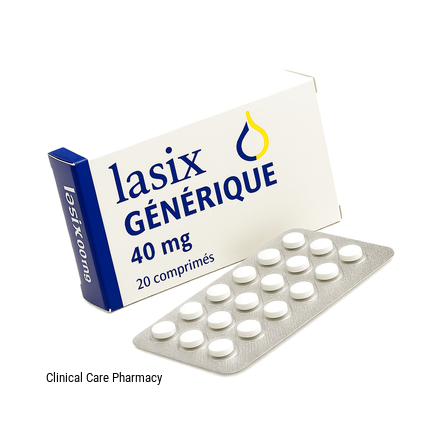
Buy lasix best price generic
- Is Lasix available without prescription in the UK?
- What does Pharmacy medicine mean in the UK?
- General information about furosemide
- How furosemide works
- Price and availability information
- Strengths, formulations and pack types
- Edema, hypertension and other uses
- UK legal classification: GSL, P and POM
- Alternatives for fluid retention
- Furosemide compared with other diuretics
- Food, alcohol and lifestyle considerations
- Side effects and tolerability
- Long-term use and excessive exposure
- Warnings, contraindications and interactions
- Additional information about generic Lasix
Is Lasix available without prescription in the UK?
Lasix (furosemide) is a potent loop diuretic primarily used to treat fluid retention (edema) associated with heart failure, liver cirrhosis, and kidney disorders, and to manage hypertension. In the United Kingdom, furosemide is classified as a Prescription Only Medicine (POM). It cannot be legally supplied without a prescription from a qualified healthcare professional. Although many online pharmacies advertise options to buy Lasix cheap or purchase generic furosemide without prescription, supply without valid prescription contravenes UK medicines legislation. Patients seeking Lasix for legitimate indications should consult their GP or specialist, obtain a prescription, and then consider ordering from Clinical Care Pharmacy, where generic Lasix is available at competitive prices. The term “without prescription” used in marketing may refer to international dispensing services, but UK law requires a prescription for furosemide.
What does Pharmacy medicine mean in the UK?
In the UK, human medicines are categorised into three supply classifications under the Medicines Act and Human Medicines Regulations: Prescription Only Medicine (POM), Pharmacy medicine (P), and General Sales List (GSL). A “Pharmacy medicine” can be sold without prescription but only under the supervision of a pharmacist in a registered pharmacy setting. Unlike GSL products, Pharmacy medicines are not displayed on open shelves for general retail. However, Lasix is not classified as a Pharmacy medicine; it remains POM due to its potency, risk of electrolyte imbalance, and need for monitoring. Over-the-counter (OTC) availability implies Pharmacy medicine or GSL status, but Lasix does not meet those criteria in the UK. Understanding these legal categories helps patients and online buyers discern which products they can purchase directly and which require professional oversight.
General information about furosemide
What is furosemide?
Furosemide, marketed under the brand name Lasix among others, is a loop diuretic. It increases the excretion of sodium, chloride, and water by acting on the kidney’s thick ascending limb of the loop of Henle. By enhancing urine production, it reduces fluid accumulation in tissues and blood vessels, thus alleviating edema and lowering blood pressure. Generic forms of furosemide contain the same active ingredient as branded Lasix and must comply with regulatory standards for quality, safety, and efficacy. The generic option usually offers a cheaper price, making long-term therapy more affordable for patients.
What are loop diuretics?
Loop diuretics are a class of medicines that inhibit the sodium-potassium-chloride co-transporter in the ascending loop of Henle. This action prevents reabsorption of sodium and chloride ions, leading to a significant diuretic effect compared to other diuretic classes. Other loop diuretics include bumetanide and torasemide. The rapid onset and significant diuretic potency make loop diuretics like furosemide first-line agents for acute decompensated heart failure and severe fluid overload.
What is the active ingredient in Lasix?
The active pharmaceutical ingredient is furosemide. Generic Lasix products contain furosemide of equivalent pharmacological potency. Inactive ingredients, tablet coatings, and packaging may vary between manufacturers, but the therapeutic effect remains consistent across authorised generics.
Is furosemide a potassium-sparing diuretic?
No. Furosemide increases potassium excretion along with sodium and water. It can lead to hypokalaemia if dietary potassium intake or supplementation is inadequate. Potassium-sparing diuretics, such as spironolactone or amiloride, act on different segments of the nephron and help retain potassium, usually prescribed in combination with other diuretics to mitigate potassium loss.
Why is furosemide used for fluid overload?
Fluid overload increases cardiac workload, raises venous pressure, and impairs organ function. Furosemide rapidly mobilises excess fluid, improving symptoms like breathlessness, peripheral swelling, and ascites. In acute heart failure, intravenous furosemide may be administered under hospital supervision, while oral tablets typically serve chronic management.
How furosemide works
What is the mechanism of action?
Furosemide selectively inhibits the Na⁺-K⁺-2Cl⁻ symporter in the thick ascending limb of the loop of Henle. This blockade prevents reabsorption of sodium, chloride, and potassium, resulting in increased excretion of these ions and accompanying water. The diuretic effect reduces extracellular fluid volume, decreases venous return (preload), and can cause a modest reduction in peripheral vascular resistance, contributing to blood pressure lowering.
How quickly does Lasix take effect?
Oral furosemide has an onset of action within 30 to 60 minutes, with peak diuresis around one to two hours post-dose and lasting up to six to eight hours. Intravenous administration produces a more rapid diuretic response, with onset in five to fifteen minutes, commonly used in acute settings such as pulmonary edema.
Does furosemide neutralise existing fluid overload?
Furosemide facilitates removal of excess fluid via urine rather than neutralising fluid directly. It increases glomerular filtration of water and electrolytes and inhibits reabsorption along the nephron, leading to net fluid loss.
Can furosemide affect electrolyte balance?
Yes. By increasing excretion of sodium, potassium, calcium, and magnesium, furosemide can cause electrolyte disturbances, including hypokalaemia, hyponatraemia, hypocalcaemia, and hypomagnesaemia. Regular monitoring of serum electrolytes is essential, especially during initiation and dose adjustments.
Does furosemide work for every cause of edema?
No. While effective for many forms of edema, causes such as lymphatic obstruction, allergic reactions, or venous insufficiency may not respond adequately. Underlying aetiologies must be evaluated to guide appropriate therapy.
Does fluid removal correct the underlying cause?
Fluid removal improves symptoms but does not address the root causes, such as heart dysfunction, liver cirrhosis, or nephrotic syndrome. Comprehensive management often requires addressing the primary disease process in addition to diuretic therapy.
Price and availability information
How much does generic Lasix cost in the UK?
Prices vary by retailer, pack size, and formulation. Clinical Care Pharmacy offers generic Lasix tablets at prices significantly lower than brand-name Lasix. Our online pharmacy provides the option to order Lasix cheaply in packs of 28 or 56 tablets, with bulk purchasing discounts. Prices are subject to change; please consult our team for the latest cheaper offers and promotions. As a Prescription Only Medicine, you must supply a valid prescription to complete the purchase.
Why do prices vary between pharmacies?
Retail pricing reflects factors such as wholesale acquisition cost, pharmacy mark-up, packaging, shipping, and special offers. Online pharmacies may pass cost savings from operational efficiencies to customers, resulting in cheaper generic Lasix compared with high-street pharmacy prices.
| Example | Strength | Formulation | Price (GBP) | Status | Note |
|---|---|---|---|---|---|
| Pack A | 40 mg | Tablets × 28 | £9.99 | Prescription | Order online with prescription |
| Pack B | 40 mg | Tablets × 56 | £17.49 | Prescription | Bulk pack – cheaper per tablet |
| Injection | 10 mg/mL | 5 × 2 mL ampoules | £12.50 | Prescription | Hospital/clinic use only |
Strengths, formulations and pack types
What tablet strengths of furosemide exist?
Furosemide tablets are commonly available in 20 mg, 40 mg, and 500 mg strengths in various formulations. The prescribed strength depends on the severity of fluid overload and patient characteristics. Lower starting doses are typical for hypertension management, while higher doses may be required for refractory edema.
What formulations are available?
Furosemide is supplied as oral tablets, oral solution, and injectable solution. Tablets offer convenience for chronic outpatient therapy, while oral solution benefits patients with swallowing difficulties. Intravenous ampoules are reserved for acute clinical settings, administered under professional supervision for rapid diuresis.
Why does pack size matter?
Pack size can affect overall cost, wastage, and duration of therapy. Smaller packs may be suitable for short courses or dose-finding, while larger packs offer economic savings for stable long-term treatment. Always align pack selection with the prescribed duration of therapy to minimise unused medicine.
| Feature | Why it matters |
| Strength | Determines dose and intensity of diuretic effect |
| Formulation | Affects absorption rate and patient convenience |
| Pack size | Cost efficiency and treatment duration |
| Prescription status | Legal requirement for supply and monitoring |
| Generic vs branded | Price differences without compromising efficacy |
Are generic and brand Lasix identical?
Yes, authorised generic furosemide products contain the same active ingredient at the same strength, meeting rigorous bioequivalence standards. Differences reside in excipients, tablet appearance, and packaging, which do not affect therapeutic action.
Edema, hypertension and other uses
What is edema?
Edema is the accumulation of excess interstitial fluid, causing swelling in tissues. It may manifest in the legs, ankles, lungs (pulmonary edema), abdomen (ascites), or other body parts. Furosemide relieves fluid overload by promoting diuresis and natriuresis.
How is Lasix used in heart failure?
In chronic heart failure, furosemide reduces preload by depleting intravascular volume, alleviating symptoms like breathlessness and peripheral swelling. Doses are tailored to patient response, with frequent monitoring of weight, renal function, and electrolytes to guide therapy adjustments.
Can furosemide treat hypertension?
Yes. At lower doses, furosemide can lower blood pressure through reduction of plasma volume. However, thiazide diuretics are more commonly recommended first-line for uncomplicated hypertension. Furosemide may be used in hypertensive patients with concomitant fluid retention or renal impairment.
What other conditions use furosemide?
Furosemide is also indicated for hepatic cirrhosis with ascites, nephrotic syndrome, acute pulmonary edema, and sometimes prophylaxis of acute renal failure in high-risk clinical scenarios, always under specialist supervision.
UK legal classification: GSL, P and POM
What is a POM?
Prescription Only Medicine (POM) status means supply only with a valid prescription from a qualified prescriber. Furosemide is POM because inappropriate use carries significant risks, including severe dehydration and electrolyte disturbances.
What is a Pharmacy medicine?
Pharmacy medicines (P) can be sold without a prescription but require pharmacist oversight. They are generally lower-risk and used for self-limiting conditions. Furosemide does not fall under this category.
What is a GSL medicine?
General Sales List (GSL) medicines are safe enough for sale in general retail outlets without pharmacist intervention. Products like simple analgesics or antacids may be GSL, but not potent diuretics like Lasix.
Why can the same active ingredient have different classifications?
Classification depends on factors such as therapeutic potency, risk profile, intended indication, pack size, and professional oversight required. Some active substances may appear in both P and POM categories at different strengths or pack presentations.
Who regulates medicine classification in the UK?
The Medicines and Healthcare products Regulatory Agency (MHRA) oversees medicine approvals, legal classifications and reclassification processes in the UK.
Alternatives for fluid retention
What other diuretics exist?
- Thiazide diuretics (e.g., bendroflumethiazide, hydrochlorothiazide);
- Potassium-sparing diuretics (e.g., spironolactone, amiloride);
- Other loop diuretics (e.g., bumetanide, torasemide);
- Osmotic diuretics (e.g., mannitol) in specific acute settings;
- Combination diuretic therapies.
Why combine diuretics?
Combining diuretic classes can produce synergistic fluid removal while minimising electrolyte imbalance. For instance, low-dose furosemide plus spironolactone may reduce potassium loss while achieving adequate diuresis.
Furosemide compared with other diuretics
How does furosemide compare with thiazides?
Loop diuretics like furosemide have a more potent and rapid diuretic effect than thiazides, making them preferred for acute fluid overload. Thiazides act on the distal convoluted tubule and are generally first-line for hypertension with mild fluid retention.
How does furosemide compare with bumetanide?
Bumetanide is another loop diuretic with similar potency to furosemide but higher bioavailability and shorter half-life. Choice between the two can depend on individual response, cost, and availability. Generic furosemide is usually cheaper than bumetanide.
What about potassium-sparing diuretics?
Potassium-sparing diuretics alone have modest diuretic effects and are often used adjunctively to prevent hypokalaemia associated with loop or thiazide diuretic therapy.
| Feature | Furosemide | Bumetanide | Thiazides |
| Drug class | Loop diuretic | Loop diuretic | Thiazide diuretic |
| Onset (oral) | 30–60 min | 30–60 min | 1–2 hours |
| Duration | 6–8 hours | 4–6 hours | 12–24 hours |
| Potency | Standard | High | Moderate |
| OTC availability | No (POM) | No (POM) | Some thiazides are POM or P |
Is one diuretic always better?
No. Choice depends on clinical indication, renal function, electrolyte status, patient tolerance, and cost. A specialist or GP will tailor diuretic therapy to individual needs.
Food, alcohol and lifestyle considerations
Can diet influence fluid retention?
Yes. High sodium intake promotes water retention. Sodium-restricted diets complement diuretic therapy by enhancing fluid loss and improving blood pressure control. Patients may be advised to follow a low-salt diet in conjunction with Lasix treatment.
Can alcohol affect fluid balance?
Alcohol is a mild diuretic but can cause dehydration, electrolyte disturbances, and blood pressure changes. Excessive alcohol may worsen heart failure and hypertension, counteracting the intended effect of Lasix.
Does smoking matter?
Smoking can exacerbate cardiovascular disease, impair circulation, and interfere with treatment goals for hypertension and heart failure. Smoking cessation is strongly recommended as part of comprehensive care.
Can exercise influence edema?
Regular physical activity promotes venous return and lymphatic drainage, which can reduce peripheral swelling. Gentle exercises such as walking, ankle pumps, or leg elevation exercises may benefit patients with mild edema in addition to medication.
Is weight monitoring important?
Yes. Daily self-weighing helps detect fluid accumulation early, allowing dose adjustment of diuretic therapy before symptoms worsen. Patients should report rapid weight gain (e.g., more than 1–2 kg in a day) to their healthcare provider.
Side effects and tolerability
Can furosemide cause side effects?
Yes. Common adverse effects include increased urination, dizziness, hypotension, dehydration, electrolyte disturbances (hypokalaemia, hyponatraemia, hypomagnesaemia), and renal impairment. Less common effects include tinnitus, hearing loss (with rapid IV infusion), and metabolic disturbances such as hyperglycaemia and hyperuricaemia.
| System | Examples |
| Genitourinary | Polyuria, nocturia |
| Cardiovascular | Hypotension, orthostatic hypotension |
| Electrolytes | Hypokalaemia, hypomagnesaemia, hyponatraemia |
| Neurological | Dizziness, headache |
| Auditory | Tinnitus, rare ototoxicity |
Can allergic reactions occur?
Yes. Although rare, hypersensitivity reactions including rash, photosensitivity, angioedema, and anaphylaxis have been reported. Patients with sulfonamide allergy should use furosemide cautiously.
Are long-term risks the same as short-term?
No. Chronic use may pose risks of sustained electrolyte disturbances, gout flares (due to hyperuricaemia), renal impairment, and persistent dehydration. Regular follow-up and blood tests are important for patients on long-term furosemide therapy.
Long-term use and excessive exposure
Why monitor long-term furosemide use?
Long-term diuretic therapy requires periodic review to ensure continued indication, appropriate dosing, and monitored electrolyte levels. Adverse consequences such as chronic kidney disease progression, bone mineral density loss, and nutrient deficiencies can be mitigated through monitoring and supplementation.
What happens with excessive exposure?
Overdose or excessive dosing can cause severe dehydration, profound hypotension, acute kidney injury, and life-threatening electrolyte imbalances. Signs include extreme thirst, confusion, muscle cramps, and rapid heartbeat. Emergency medical assessment is necessary.
How to manage recurrent symptoms?
Recurrent fluid retention may indicate disease progression or diuretic resistance. A review of heart, liver, or renal function, dietary adherence, and concomitant medications is essential. Specialist referral may be needed for resistant edema.
Why is medicine review important?
Review ensures optimal therapeutic benefit, minimises harm, and addresses changes in clinical status. It can prompt dose adjustments, switch to alternative diuretics, or addition of adjunct therapies to improve outcomes.
Warnings, contraindications and interactions
Who should be cautious with Lasix?
- Patients with severe dehydration or electrolyte imbalance;
- Those with significant renal impairment or anuria;
- Individuals with sulfonamide allergy;
- Pregnant or breastfeeding women (risk-benefit assessment needed);
- Children and elderly (dose adjustment and monitoring required);
- Patients with gout, diabetes, or hypotension.
Can furosemide interact with other medicines?
Yes. Notable interactions include:
- NSAIDs may reduce diuretic effectiveness;
- Digoxin toxicity risk increased in hypokalaemia;
- ACE inhibitors or ARBs amplify hypotensive effects;
- Ototoxic drugs (e.g., aminoglycosides) increase hearing damage risk;
- Lithium levels may rise due to sodium depletion;
- Warfarin effect may be altered by fluid shifts.
Why is monitoring of potassium important?
Hypokalaemia from furosemide increases risk of arrhythmias, muscle weakness, and digoxin toxicity. Potassium supplementation or potassium-sparing diuretics may be prescribed to maintain safe electrolyte levels.
What about pregnancy and breastfeeding?
Furosemide crosses the placenta and is excreted in breastmilk. Its use in pregnancy or lactation requires specialist advice, balancing maternal benefits against potential fetal or neonatal risks.
Additional information about generic Lasix
What does “generic Lasix” mean?
A generic medicine contains the same active ingredient (furosemide) as the brand-name product and must meet identical regulatory standards for quality, safety, and efficacy. Generic Lasix often costs less, offering a more affordable option without compromising therapeutic effect.
Why can two furosemide products differ?
Different manufacturers may use varied excipients, tablet coatings, or packaging, but all authorised generics demonstrate bioequivalence to the reference product. Patient leaflets may vary slightly to reflect these differences.
What does efficacy and safety information cover?
Patient information includes dosing instructions, indications, side effect profiles, interaction warnings, storage conditions, and advice on missed doses. Always read the leaflet provided with each pack for the most accurate details.
Why should exact product information be checked?
Medicine regulation applies to specific authorised products. The Summary of Product Characteristics (SmPC) and patient leaflet identify approved indications, legal status, warnings, ingredients, and other details for each generic furosemide product.
Where can UK medicine information be verified?
Reliable sources include the MHRA website, the electronic Medicines Compendium (eMC), and pharmacist or prescriber advice. Official product information is always the definitive reference.
Does this information replace advice from a pharmacist?
No. This page is published by Clinical Care Pharmacy, Unit 4 Brian Clough Business Centre, 200-222 Cotton Lane, Derby, for general information only. For advice tailored to your situation, please speak to the pharmacy team and present your prescription to order Lasix at the best price.