
Purchase lasix best price without prescription
- Is lasix available without prescription in the UK?
- What does Pharmacy medicine mean in the UK?
- General information about lasix
- How lasix works
- Price and availability information
- Strengths, formulations and pack types
- Fluid retention, oedema and hypertension
- UK legal classification: GSL, P and POM
- Alternatives for diuretic therapy
- Lasix compared with other diuretics
- Food, alcohol and lifestyle considerations
- Side effects and tolerability
- Long-term use and excessive exposure
- Warnings, contraindications and interactions
- Additional information about lasix
Is lasix available without prescription in the UK?
Yes. Select formulations of lasix (furosemide) are authorised for supply without prescription in the UK under the Pharmacy (P) category for short-term relief of mild fluid retention. This non-prescription supply allows patients to buy lasix online or in-store from a registered pharmacy after a brief consultation with the pharmacist. However, not every strength, pack size or medical use is covered by the non-prescription classification. Prescription-only medicines (POM) include higher doses, prolonged treatment regimens or specific indications such as severe heart failure and chronic kidney disease. When you purchase generic lasix cheap online from Clinical Care Pharmacy, you benefit from a trusted source, competitive prices and professional support without needing a doctor’s prescription for the designated over-the-counter presentation.
What does Pharmacy medicine mean in the UK?
In the UK, human medicines are classified into three legal categories: Prescription Only Medicine (POM), Pharmacy medicine (P) and General Sales List medicine (GSL). Pharmacy (P) medicines are those that can be supplied without a prescription but must be sold under supervision in a registered pharmacy. The classification ensures that professional advice is provided at the point of sale, which is essential for safety, efficacy and monitoring. Pharmacy medicines are often used for self-care treatments that require some level of professional oversight. While you can order lasix online without prescription under the P category, you cannot buy it through non-pharmacy retailers or vending machines. Always consult the pharmacist when ordering lasix to confirm suitability, dosage and any potential interactions.
General information about lasix
What is lasix?
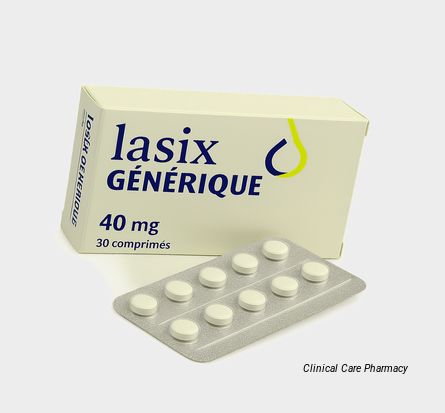
Lasix is the brand name for furosemide, a potent loop diuretic used to remove excess fluid from the body. Generic versions contain the same active ingredient, furosemide, and meet stringent regulatory standards for quality, safety and efficacy. When you buy generic lasix in the UK, you ensure the same therapeutic effect as branded preparations, often at a cheaper price. Lasix is commonly prescribed to treat conditions such as oedema associated with heart failure, liver cirrhosis, renal impairment and hypertension.
What is furosemide?
Furosemide is a loop diuretic that acts on the kidneys by inhibiting the sodium-potassium-chloride co-transporter in the thick ascending limb of the loop of Henle. This mechanism increases the excretion of sodium, chloride and water, leading to a rise in urine output. The resultant diuresis reduces fluid accumulation and peripheral oedema, lowers blood pressure and can relieve symptoms such as swelling in the legs or shortness of breath in heart failure patients.
Why are some lasix tablets film-coated?
Film-coated formulations protect the active ingredient from moisture, mask the bitter taste and improve swallowability. The coating also ensures consistent drug release after ingestion. Whether tablets or oral solutions, lasix must be absorbed effectively to deliver the intended diuretic effect. Generic film-coated tablets are bioequivalent to branded Lasix, offering the same therapeutic profile.
Is lasix a potassium-sparing diuretic?
No. Lasix belongs to loop diuretics, which can cause the body to lose potassium along with sodium and water. Potassium-sparing diuretics are a different class, such as spironolactone and amiloride. When you purchase lasix online, your pharmacist may recommend potassium supplements or dietary adjustments to counterbalance potential electrolyte disturbances during treatment.
Is lasix an antihypertensive?
While lasix primarily targets fluid overload, it also has antihypertensive effects. By reducing plasma volume, it lowers cardiac output and systemic blood pressure. In clinical practice, furosemide is used for acute hypertensive emergencies and chronic management of oedema-related hypertension. However, other diuretics like thiazides are more commonly first-line agents for uncomplicated high blood pressure.
How lasix works
What is the loop of Henle?
The loop of Henle is a U-shaped segment of the nephron in the kidney responsible for concentrating urine. It reabsorbs water and solutes like sodium and chloride. Loop diuretics such as lasix inhibit the sodium-potassium-chloride co-transporter in the thick ascending limb, disrupting the reabsorption process and increasing urinary output.
How does furosemide inhibit sodium transport?
Furosemide binds to the luminal Na+-K+-2Cl– transporter, preventing sodium, potassium and chloride ions from re-entering the blood. This blockade triggers osmotic diuresis: water follows the unabsorbed solutes into the urine. The rapid onset helps relieve fluid overload within an hour of oral ingestion, making lasix ideal for acute oedema management.
Does lasix affect other kidney functions?
Yes. By altering electrolyte handling, furosemide can change potassium, magnesium and calcium balance. Increased magnesium and potassium excretion may lead to hypomagnesemia or hypokalaemia, which require monitoring. The increased flow through the distal nephron can also trigger compensatory sodium reabsorption, affecting acid-base balance. Clinical monitoring is essential for long-term therapy, especially when you order lasix online without prescription for extended use.
Why is the onset and duration important?
Oral lasix typically begins to act within 30 to 60 minutes, with peak diuretic effect at around 1 to 2 hours and duration of action of about 6 hours. The pharmacodynamic profile must be considered when scheduling doses to achieve optimal fluid control without causing nocturia or excessive electrolyte depletion. Your pharmacist can advise on dosage timing when you buy lasix cheap online.
Can lasix treat pulmonary oedema?
Yes. Intravenous lasix is standard for acute pulmonary oedema, reducing blood volume and pulmonary vascular pressure. Over-the-counter oral formulations are not appropriate for emergency situations, but understanding the mechanism helps patients appreciate why rapid hospital-based treatment is necessary for severe fluid accumulation in the lungs.
Price and availability information
How much does OTC lasix cost in the UK?
Prices for non-prescription lasix vary by strength, pack size, manufacturer and retailer. Generic oral tablets typically cost less than branded Lasix. When you purchase lasix online from Clinical Care Pharmacy, you benefit from bulk purchasing discounts, seasonal promotions and cheaper generic versions. Our transparent pricing policy allows you to compare options and choose the most cost-effective pack. Prices change over time, so please contact our team for current offers and price comparisons.
Why can prices vary between products?
Variations reflect differences in manufacturing costs, pack design, distribution agreements and marketing strategies. A higher price does not always denote superior efficacy or quality; generic lasix undergoes rigorous quality control to ensure bioequivalence. When hunting for the cheapest lasix online, remember that price is just one factor—always verify the product’s authenticity, expiry dates and legal classification.
| Example | Strength | Formulation | Price | Status | Note |
|---|---|---|---|---|---|
| Generic Lasix | 40 mg | Film-coated tablets | Not stated | Information only | Contact Clinical Care Pharmacy for current price |
| Branded Lasix | 20 mg | Oral solution | Not stated | Information only | Pack size and legal status may vary |
Strengths, formulations and pack types
What strengths of lasix exist?
Lasix (furosemide) is available in multiple strengths, commonly 20 mg, 40 mg and 80 mg tablets. Oral solutions and injections are also authorised for prescription use. The non-prescription (P) classification typically covers the 40 mg film-coated tablet in packs up to 14 units for short-term fluid retention.
What formulations are available?
Depending on the authorised product, furosemide may be supplied as film-coated tablets, dispersible tablets, oral solutions and intravenous injections. Non-prescription supply usually refers to the film-coated tablet or dispersible tablet forms, which are easy to swallow and dose precisely. Always refer to the Summary of Product Characteristics for specific formulation details.
Why does pack size matter?
Pack size determines legal supply classification. A pack of 14 film-coated tablets may be P, while larger packs often require a prescription. Smaller packs reduce waste and limit unsupervised long-term use. When you order lasix online, ensure you select the pack size that matches your intended duration of treatment and legal requirements.
| Feature | Why it matters |
| Active ingredient | Furosemide identity |
| Strength | Dose per tablet |
| Formulation | Release and absorption profile |
| Pack size | Supply classification |
| Legal category | Supply restrictions |
Are generic and branded lasix identical?
Generic lasix contains the same furosemide at the same dose and must demonstrate bioequivalence to branded Lasix. Differences may include excipients, tablet colour and packaging, but therapeutic action is identical. Buying generic lasix cheap online reduces cost without compromising quality or safety.
Fluid retention, oedema and hypertension
What is oedema?
Oedema is the accumulation of excess fluid in interstitial tissues, leading to swelling, especially in the lower limbs, ankles and feet. It can result from heart, liver or kidney dysfunction, venous insufficiency, pregnancy or medication side effects. Oedema causes discomfort, reduced mobility and breathing difficulties when fluid accumulates in the lungs.
How does lasix relieve oedema?
Lasix increases urine volume by blocking sodium reabsorption, which draws water out of tissues into the bloodstream and then into urine. The diuretic effect reduces fluid overload, relieves swelling and eases breathing when pulmonary oedema is present. Over-the-counter lasix can address mild oedema, but severe cases require medical assessment.
What is hypertension?
Hypertension is persistently elevated blood pressure, a major risk factor for cardiovascular disease, stroke and kidney damage. Diuretics like lasix help manage hypertension by reducing circulating blood volume and decreasing peripheral resistance. Non-prescription lasix is not first-line for uncomplicated hypertension but may be used under medical advice for fluid-associated high blood pressure.
Can lasix be used for both conditions?
Yes. Lasix’s dual role in fluid control and blood pressure reduction makes it valuable for patients with both oedema and hypertension. Pharmacists may recommend short courses of non-prescription lasix for mild fluid overload, but prescription review is essential for long-term management or complicated hypertension.
When to consult a doctor?
Persistent oedema, uncontrolled hypertension or associated symptoms like chest pain, severe headache and visual changes require medical evaluation. Self-treatment with over-the-counter lasix should be limited to short durations (typically 5–7 days) unless under prescription supervision.
UK legal classification: GSL, P and POM
What is a POM?
Prescription Only Medicines (POM) require a doctor's prescription. Higher strengths and larger pack sizes of furosemide are POM due to the risks associated with electrolyte imbalance, dehydration and kidney function changes.
What is a Pharmacy medicine?
Pharmacy medicines (P) can be supplied without prescription but only under supervision in a pharmacy. Select lasix packs are classified as P for short-term self-care use. Pharmacists assess suitability, check for contraindications and advise on dosing before sale.
What is a GSL medicine?
General Sales List (GSL) medicines are available for sale in non-pharmacy outlets when conditions of safe supply are met. No diuretic, including lasix, is classified as GSL due to the need for professional oversight.
Is all lasix OTC in the UK?
No. Only specific lasix formulations and pack sizes are available OTC (P). Prescription use covers a wider range of strengths, presentations and clinical indications. Always verify product classification before buying lasix online without prescription.
Why can the same active ingredient have different classifications?
Classification depends on strength, pack size, indication, dosage regimen and safety profile. The risk of dehydration, electrolyte disturbance and underlying conditions influences whether a product is P or POM.
Who regulates medicine classification in the UK?
The Medicines and Healthcare products Regulatory Agency (MHRA) oversees classification, authorisation and reclassification processes. The MHRA ensures that medicines supplied over the counter meet safety and efficacy standards with appropriate professional controls.
Alternatives for diuretic therapy
What other diuretic classes exist?
- Thiazide and thiazide-like diuretics (e.g., hydrochlorothiazide, indapamide);
- Potassium-sparing diuretics (e.g., spironolactone, amiloride);
- Combination diuretics (e.g., hydrochlorothiazide plus amiloride);
- Carbonic anhydrase inhibitors (e.g., acetazolamide);
- Osmotic diuretics (e.g., mannitol for specific medical uses).
Why choose loop diuretics over thiazides?
Loop diuretics like lasix have a more potent diuretic effect and are preferred when rapid fluid reduction is needed or when renal function is impaired. Thiazides are more suitable for mild hypertension and long-term blood pressure control due to their gentler diuretic effect and potassium-sparing benefits.
Can diuretics be combined?
Yes. Combining a loop diuretic with a potassium-sparing diuretic can enhance fluid removal while reducing potassium loss. Such combinations require medical supervision to avoid electrolyte imbalances.
Lasix compared with other diuretics
How does lasix compare with hydrochlorothiazide?
Lasix induces more rapid and greater diuresis than thiazide diuretics. Hydrochlorothiazide is often first-line for uncomplicated hypertension, while lasix is preferred for acute oedema and resistant hypertension in patients with renal impairment.
How does lasix compare with spironolactone?
Spironolactone is potassium-sparing, acting on the distal tubule and collecting duct to block aldosterone receptors. It prevents potassium loss but has a weaker diuretic effect than lasix. Combination therapy can balance fluid removal and electrolyte conservation.
| Feature | Lasix (Furosemide) | Hydrochlorothiazide | Spironolactone |
| Drug class | Loop diuretic | Thiazide diuretic | Potassium-sparing diuretic |
| Main mechanism | Inhibits Na+-K+-2Cl– in loop of Henle | Inhibits Na+-Cl– co-transporter in distal tubule | Blocks aldosterone receptors |
| OTC products in UK | Yes, specific packs | No | No |
| Prescription uses | Yes | Yes | Yes |
Is one diuretic always better?
No. Choice depends on clinical condition, renal function, electrolyte status, blood pressure targets, comorbidities and patient response. Pharmacist and doctor collaboration ensures optimal therapy.
Food, alcohol and lifestyle considerations
Can diet influence fluid retention?
Yes. High sodium intake promotes fluid retention. Reducing salt, processed foods and high-sodium seasonings can enhance lasix effectiveness and reduce required dosage.
Can alcohol affect lasix therapy?
Alcohol can worsen dehydration and electrolyte disturbances during diuretic use. Moderate consumption and adequate fluid intake are essential when buying lasix online for self-care.
Does caffeine matter?
Caffeine has mild diuretic properties and can compound lasix-induced fluid loss. Monitor symptoms and adjust fluid intake accordingly to avoid excessive dehydration.
Can exercise influence diuretic effect?
Exercise increases fluid loss through sweat. Combined with lasix, it can heighten dehydration risk. Balance physical activity with fluid and electrolyte replenishment.
Side effects and tolerability
Can lasix cause side effects?
Yes. Common effects include increased urination, thirst, dizziness, headache and muscle cramps due to electrolyte shifts. Gastrointestinal upset such as nausea or abdominal discomfort may occur. Product leaflets list side effects with frequency categories, enabling patients and professionals to recognise warning signs.
| Area | Examples described in product information |
| Renal/electrolyte | Hypokalaemia, hyponatraemia, dehydration |
| Cardiovascular | Hypotension, dizziness, syncope |
| Gastrointestinal | Nausea, diarrhoea |
| Metabolic | Hyperuricaemia, gout attacks |
| Allergic | Rash, photosensitivity |
Can allergic reactions occur?
Yes. Hypersensitivity reactions are rare but can be serious. Symptoms include rash, itching, facial swelling or breathing difficulties. Immediate medical attention is required if allergic features develop after taking lasix.
Why do leaflets list many rare effects?
Regulated medicine information includes both common and rare adverse effects to inform patients and clinicians of potential risks. This transparency promotes early recognition and management of serious reactions.
Are long-term risks the same as short-term risks?
No. Chronic diuretic use increases risk of sustained electrolyte imbalances, kidney function changes and metabolic disturbances. Long-term therapy should be managed by a healthcare professional rather than ongoing OTC use.
Long-term use and excessive exposure
Why is OTC lasix intended for short-term use?
Non-prescription lasix is authorised for brief fluid control episodes. Prolonged unsupervised use increases risks of dehydration, renal impairment and electrolyte imbalance. If symptoms persist beyond 7 days or recur, seek medical assessment rather than repeat OTC supply.
Why can long-term diuretic use require review?
Continuous diuretic therapy may lead to nutrient depletion (e.g., potassium, magnesium), triggering muscle weakness, arrhythmias or bone health issues. Regular review allows dose adjustment, electrolyte monitoring and assessment of underlying causes.
Can recurrent swelling indicate another condition?
Yes. Conditions such as heart failure, liver disease, kidney disorders or venous insufficiency may present with oedema. Persistent or worsening swelling demands clinical investigation rather than indefinite symptom relief with OTC lasix.
Why is medicine review important?
A review ensures diuretic choice, dose and regimen remain appropriate, considers patient adherence, checks for drug interactions and identifies new clinical issues. Professional oversight optimises safety and therapeutic outcomes.
Warnings, contraindications and interactions
Who should be cautious with lasix?
- Individuals with severe dehydration or hypovolaemia;
- Patients with significant renal impairment without specialist supervision;
- Those with electrolyte disturbances (e.g., hypokalaemia, hyponatraemia);
- People with gout or hyperuricaemia;
- Individuals taking other medicines affecting renal function or electrolytes;
- Pregnant or breastfeeding women; professional advice recommended.
Can lasix interact with other medicines?
Yes. Furosemide can interact with ACE inhibitors, NSAIDs, corticosteroids, digoxin, aminoglycosides and lithium. Interactions may alter blood pressure, renal function or electrolyte balance. Always inform the pharmacist about all current medications when you purchase lasix online.
Why is digoxin specifically important?
Hypokalaemia induced by lasix increases digoxin toxicity risk, leading to arrhythmias and other cardiac events. Monitoring electrolytes and adjusting doses is crucial when both medicines are used.
Can lasix affect blood sugar?
Yes. Diuretics can reduce glucose tolerance, potentially affecting diabetic control. Patients with diabetes should monitor blood sugar closely when starting lasix.
Why are warning symptoms important?
Suppressing oedema without addressing underlying causes can mask serious conditions such as heart failure or renal disease. Alarm symptoms like chest pain, breathlessness at rest, confusion or extreme thirst require immediate medical attention.
What about pregnancy and breastfeeding?
Furosemide crosses the placenta and is excreted in breast milk. Use in pregnancy or lactation should be guided by healthcare professionals with benefit-risk assessment.
Additional information about lasix
What does “generic lasix” mean?
A generic lasix product contains furosemide as the active ingredient, meeting the same regulatory standards as the reference branded Lasix. Inactive ingredients and tablet appearance may vary, but therapeutic efficacy and safety are equivalent.
Why can two lasix products have different leaflets?
Leaflets differ based on manufacturer, authorised indications, excipients, pack size and legal classification. Always read the patient information leaflet for the specific product you purchase to confirm dosage, warnings and side effects.
What does film-coated mean on the label?
Film-coated tablets are coated with a thin polymer layer that improves stability, protects the active ingredient and aids swallowing. The coating dissolves in the gastrointestinal tract, ensuring consistent release of furosemide.
Why should exact product information be checked?
Medicines are regulated by product, not ingredient alone. The Summary of Product Characteristics and patient leaflet identify the approved uses, dosage, legal status and safety information for the exact lasix product you buy.
Where can UK medicine information be verified?
Reliable sources include the MHRA, electronic Medicines Compendium (eMC), NICE guidelines and qualified pharmacists or medical professionals. Always consult these sources alongside professional advice rather than relying solely on online information.
Does this information replace advice from a pharmacist?
No. This page is published by Clinical Care Pharmacy, Unit 4 Brian Clough Business Centre, 200-222 Cotton Lane, Derby, for general information only. For tailored advice on dosing, interactions or monitoring, please speak to our pharmacy team or your healthcare provider.