
Order lasix fast delivery online
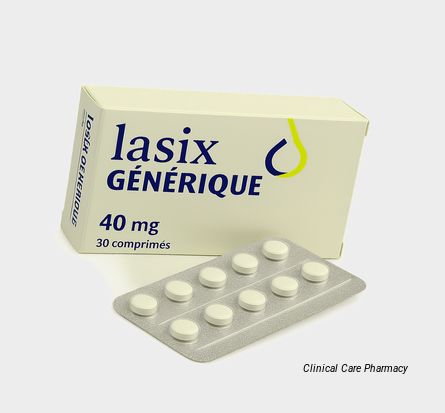
- Is Lasix (furosemide) available without prescription in the UK?
- What does Prescription Only Medicine mean in the UK?
- General information about Lasix (furosemide)
- How Lasix works as a diuretic
- Price and availability information
- Strengths, formulations and pack types
- Indications: oedema, hypertension and fluid balance
- UK legal classification: POM only
- Alternatives to Lasix for fluid management
- Lasix compared with other diuretics
- Food, diet and lifestyle considerations
- Side effects and tolerability
- Long-term use and excessive exposure
- Warnings, contraindications and interactions
- Additional information about generic Lasix
Is Lasix (furosemide) available without prescription in the UK?
Lasix, the brand name for the diuretic furosemide, is classified in the UK as a Prescription Only Medicine (POM). This means that legally it cannot be supplied without a valid prescription from a qualified prescriber such as a doctor, nurse prescriber or pharmacist prescriber. While some online pharmacies advertise “buy Lasix without prescription” or “order furosemide cheap online,” patients should be aware that any provider claiming to sell furosemide without prescription may be operating outside UK regulations. Purchasing Lasix from unregulated sources can carry significant risks, including receiving counterfeit, substandard or inappropriate doses. At Clinical Care Pharmacy, we prioritise patient safety: to order Lasix online at a cheaper, generic price, please consult your clinician and provide a valid prescription.
What does Prescription Only Medicine mean in the UK?
In the UK, medicines are classified into three main categories: Prescription Only Medicine (POM), Pharmacy medicine (P), and General Sales List (GSL). A POM requires a prescription and cannot be legally sold without one. This classification ensures that medicines with significant potential for harm, serious side effects, or specific professional assessment remain under the supervision of qualified healthcare providers. Lasix (furosemide) is a potent loop diuretic affecting fluid and electrolyte balance, so its safe use requires professional oversight, monitoring of kidney function, electrolytes and blood pressure. The POM classification aims to protect patients by mandating medical review and follow-up.
General information about Lasix (furosemide)
What is furosemide?
Furosemide is a loop diuretic that promotes the excretion of water and electrolytes—primarily sodium and chloride—by inhibiting their reabsorption in the kidney’s ascending limb of the loop of Henle. Marketed under the brand name Lasix as well as generic furosemide, it is widely used to manage fluid retention (oedema) and high blood pressure (hypertension).
What is a loop diuretic?
Loop diuretics are a group of potent diuretics that act on the loop of Henle in the nephron, the functional unit of the kidney. By blocking the sodium-potassium-chloride cotransporter (NKCC2), they prevent reabsorption of these ions, resulting in increased urine output. Lasix is considered faster-acting and more powerful than thiazide diuretics.
Why is generic Lasix cheaper?
Generic furosemide contains the same active ingredient as the brand Lasix and meets identical regulatory standards for quality and efficacy. Differences lie in inactive ingredients and packaging. Because generics do not bear brand development costs, they are typically sold at lower prices, offering patients a cost-effective alternative.
What is the active ingredient?
The active pharmaceutical ingredient in Lasix is furosemide. Each tablet or oral solution contains a measured amount of furosemide—commonly 20 mg, 40 mg, or 80 mg per dose—alongside excipients that vary by manufacturer.
Why not buy from non-regulated online sources?
Unscrupulous online retailers may sell counterfeit or adulterated furosemide, leading to ineffective treatment, toxic contaminants or unpredictable dosing. Licensed UK pharmacies like Clinical Care Pharmacy operate under MHRA standards, ensuring genuine, safe products and professional consultation.
How Lasix works as a diuretic
What is the loop of Henle?
The loop of Henle is part of the kidney nephron involved in concentrating or diluting urine. Its ascending limb is impermeable to water but reabsorbs electrolytes via specialized transporters.
How does furosemide inhibit electrolyte reabsorption?
Furosemide binds to the Cl– binding site of the NKCC2 cotransporter in the thick ascending limb, preventing sodium, potassium, and chloride reabsorption. This action increases the osmotic gradient in the tubular fluid, drawing water into the lumen and enhancing diuresis.
Does Lasix reduce blood pressure?
Yes. By reducing circulating fluid volume, Lasix lowers blood pressure, making it useful in hypertension management. The diuretic effect begins within one hour of oral administration and peaks around 1–2 hours.
Can it cause electrolyte imbalance?
Yes. Excessive loss of sodium, potassium, magnesium and calcium can occur, potentially causing dehydration, hypotension, muscle cramps, weakness or arrhythmias. Regular monitoring of electrolytes and renal function is essential during treatment.
Why is dosing variable?
Individual response depends on renal function, concomitant medications, cardiovascular status and fluid overload severity. Clinicians adjust doses accordingly, sometimes requiring incremental titration.
Price and availability information
How much does Lasix cost in the UK?
Prices vary by brand, generic supplier, pack size and pharmacy. At Clinical Care Pharmacy, we offer generic furosemide at competitive prices. Below are example figures for informational purposes. For the latest cheap prices when you purchase Lasix online, contact us or request a quotation.
| Product | Strength | Formulation | Pack Size | Price (GBP) | Availability |
|---|---|---|---|---|---|
| Generic Furosemide | 40 mg | Tablets | 28 | £4.50 | In Stock |
| Lasix | 40 mg | Tablets | 28 | £12.00 | In Stock |
| Generic Furosemide | 20 mg | Tablets | 56 | £7.80 | In Stock |
| Lasix Oral Solution | 10 mg/ml | 50 ml | 1 Bottle | £9.50 | In Stock |
Why do prices differ?
Brand premiums, manufacturing costs, distribution, pharmacy markup and generic competition can influence prices. Ordering generic Lasix online without prescription promises a cheaper per-tablet price but carries legal and safety risks if sourced improperly.
Strengths, formulations and pack types
What strengths of Lasix exist?
Lasix and generic furosemide typically come in 20 mg, 40 mg and 80 mg tablet strengths. An oral solution (10 mg/mL) and injectable forms are also manufactured for hospital use. Pack sizes vary: 28, 30, 56 or 100 tablets.
Why is pack size important?
Prescription duration dictates pack size. Short-term oedema management may require smaller packs, whereas chronic hypertension might need larger supplies. Legally, packs must match the prescribed quantity.
What formulations are available?
Lasix is formulated as film-coated tablets, oral solution and sterile injection (furosemide for injection). Tablets are swallowed whole with water; oral solution allows flexible dosing; injection is reserved for acute inpatient care.
| Feature | Importance |
| Strength | Dose selection according to fluid retention or blood pressure goals |
| Formulation | Tablet for chronic use; solution for titration; injection for emergencies |
| Pack size | Ensures correct supply duration and reduces wastage |
| Generic vs Brand | Cost difference; identical efficacy if quality-assured |
Indications: oedema, hypertension and fluid balance
What is oedema?
Oedema is the abnormal accumulation of fluid in interstitial spaces due to heart failure, liver cirrhosis, kidney disease or venous insufficiency. Lasix mobilises excess fluid, reducing swelling and discomfort.
How does Lasix manage hypertension?
By reducing circulating volume, furosemide lowers cardiac preload and blood pressure. It is often used as adjunct therapy in resistant hypertension or when volume overload coexists.
Other indications
Lasix may be prescribed for acute pulmonary oedema, certain cases of hypercalcaemia and to manage fluid overload in renal impairment. Clinical guidelines determine appropriate ambulatory or inpatient use.
Why professional assessment matters?
Correct indication, dosing and monitoring prevent complications. Fluid shifts affect renal function, electrolyte balance and cardiovascular stability, requiring tailored regimens under medical supervision.
UK legal classification: POM only
Why is Lasix POM?
Given its potent diuretic effect and risk of significant electrolyte disturbances, Lasix is classified as Prescription Only Medicine in the UK. This classification ensures patient safety through medical oversight of dosing, monitoring and potential interactions.
Who regulates medicine classification?
The Medicines and Healthcare products Regulatory Agency (MHRA) establishes legal categories and oversees reclassification processes. Any change to Lasix’s status would require MHRA approval based on safety and efficacy data.
Can pharmacies supply without prescription?
No. UK law prohibits dispensing Lasix without a valid prescription. Pharmacists may only supply under patient-specific prescriptions or specialist protocols (e.g., GPs prescribing repeat prescriptions).
Alternatives to Lasix for fluid management
Thiazide diuretics
Examples include bendroflumethiazide and hydrochlorothiazide. They act on the distal convoluted tubule and are less potent than loop diuretics but useful for mild oedema and first-line hypertension.
Potassium-sparing diuretics
Spironolactone and amiloride reduce potassium excretion, often combined with loop or thiazide diuretics to prevent hypokalaemia but carry their own side effect profiles.
Combination therapies
Fixed-dose combinations (e.g., spironolactone/hydrochlorothiazide) optimise blood pressure control while minimizing electrolyte disturbances. Choice depends on clinical context and patient characteristics.
Lasix compared with other diuretics
Loop vs thiazide diuretics
Loop diuretics like Lasix offer rapid, potent diuresis suitable for acute fluid overload. Thiazides are milder, longer-acting and often first-line for uncomplicated hypertension.
Lasix vs bumetanide
Bumetanide is another loop diuretic with greater bioavailability and potency per milligram than furosemide, but dosing conversion and cost differ. Clinical choice hinges on patient response and tolerability.
| Feature | Furosemide (Lasix) | Bumetanide | Hydrochlorothiazide |
| Potency | 1× | 40× | 0.5× |
| Onset (oral) | 30–60 min | 30–60 min | 2 hrs |
| Duration | 6 hrs | 4–6 hrs | 12–24 hrs |
| Use | Oedema, hypertension | Oedema | Hypertension, mild oedema |
Food, diet and lifestyle considerations
Dietary sodium
Reducing salt intake enhances diuretic efficacy and aids blood pressure control. High sodium diets can counteract Lasix’s effects, leading to fluid retention and weight gain.
Potassium balance
Furosemide increases potassium excretion, risking hypokalaemia. Patients should monitor dietary potassium sources (bananas, potatoes, spinach) or use supplements if prescribed.
Fluid management
Appropriate fluid intake prevents dehydration while ensuring diuretic effectiveness. Clinicians guide daily fluid targets based on cardiovascular and renal status.
Alcohol and caffeine
Excessive alcohol may worsen blood pressure and dehydration. Caffeine has diuretic properties; its combined effect with Lasix can intensify fluid loss and electrolyte imbalance.
Side effects and tolerability
Common effects
| Area | Examples |
| Fluid balance | Increased urine output, dehydration, hypotension |
| Electrolytes | Hypokalaemia, hyponatraemia, hypomagnesaemia |
| Metabolic | Hyperuricaemia, potential gout attacks |
| Nervous system | Dizziness, headache |
Less common effects
Ototoxicity (hearing loss, tinnitus) at high IV doses, skin rash, blood dyscrasias (rare), photosensitivity. Any concerning symptoms require prompt medical attention.
Why monitor regularly?
Frequent checks of blood pressure, weight, serum electrolytes and renal function help detect and correct imbalances early, improving tolerability and safety.
Long-term use and excessive exposure
Risks of prolonged therapy
Chronic diuretic use can contribute to chronic electrolyte disturbances, renal impairment, gout flares and potential hearing issues. Regular medical review is essential for dose adjustment and risk mitigation.
Overdose concerns
Excessive furosemide intake may cause severe dehydration, hypotension, arrhythmias, acute renal failure and electrolyte crises. Suspected overdose warrants urgent medical treatment including fluid and electrolyte replacement.
When to review therapy
Periodic assessments should evaluate ongoing need, dose adequacy, renal function and screen for adverse events. Deprescribing or switching to alternative diuretics may be indicated based on evolving clinical status.
Warnings, contraindications and interactions
Who should avoid Lasix?
- Patients with anuria (no urine output)
- Severe hypovolaemia or hypotension
- Allergy to sulfonamides or furosemide
- Electrolyte imbalance unmonitored
- Severe liver or kidney dysfunction without supervision
Drug interactions
NSAIDs can reduce diuretic efficacy. ACE inhibitors and ARBs increase risk of hypotension and renal effects. Aminoglycosides plus high-dose furosemide raise ototoxicity risk. Lithium clearance can be altered.
Why monitor blood tests?
Routine blood tests check serum electrolytes (K⁺, Na⁺, Mg²⁺), renal function (creatinine, eGFR), uric acid and glucose. Early detection of abnormalities supports safe long-term use.
Pregnancy and breastfeeding
Furosemide crosses the placenta and is excreted in breast milk. It should only be used in pregnancy or lactation if clearly needed, under specialist supervision to manage maternal and fetal fluid balance.
Additional information about generic Lasix
What does “generic furosemide” mean?
A generic contains the same active ingredient, dosage and efficacy as the brand Lasix. Manufacturers must demonstrate bioequivalence and adhere to Good Manufacturing Practice standards.
Why might leaflets differ?
Each manufacturer’s Summary of Product Characteristics may list different excipients, batch numbers, marketing authorisation details and packaging. Always read the leaflet accompanying your supply.
How to verify genuine products?
Check the MHRA’s electronic Medicines Compendium (eMC) or consult a pharmacist. Genuine UK-licensed products carry a PL code and tamper-evident packaging.
Does this replace professional advice?
No. This information is for general guidance only. Always follow your prescriber’s instructions and consult Clinical Care Pharmacy’s team for personalised advice on purchasing, dosage and monitoring.