
Purchase clomid fast delivery cheap
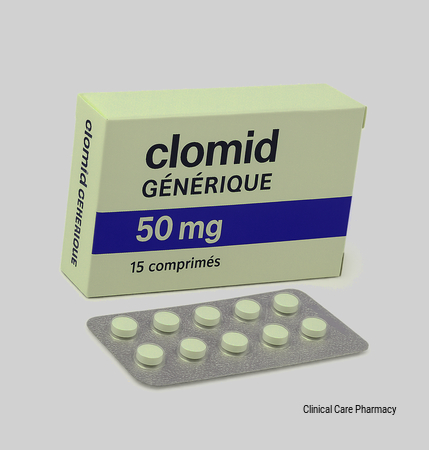
- Can clomid be purchased without prescription in the UK?
- What is Clomid and how does it work?
- Legal classification and prescription requirements
- Generic vs branded clomiphene citrate
- Price, offers and where to buy cheap
- Fast delivery options and international shipping
- Clomid uses and indications
- Common dosing regimens
- Side effects and tolerability
- Interactions and warnings
- Clomid and fertility treatment protocols
- Monitoring and follow-up
- Alternatives to clomiphene citrate
- User reviews, efficacy and success rates
- Clinics vs online pharmacies: pros and cons
Can clomid be purchased without prescription in the UK?
Clomid (clomiphene citrate) is classified as a Prescription Only Medicine (POM) in the United Kingdom, which means it normally requires a valid prescription from a registered healthcare professional. However, select online pharmacies offer a “prescription-free” consultation pathway: you provide medical history and relevant details via an online questionnaire. A UK-registered pharmacy clinician then reviews your submission to determine suitability. If approved, a prescription is issued and Clomid is dispatched. This process allows patients to order Clomid fast, purchase clomiphene citrate with professional oversight, and receive their medicine without an in-person doctor’s appointment. It is important to choose a licensed provider that verifies your suitability, ensures safety protocols, and supplies genuine branded or generic Clomid in line with MHRA regulations.
Ordering Clomid online without visiting a physical clinic can be convenient for individuals seeking ovulation induction, polycystic ovary syndrome (PCOS) treatment, or low sperm count support. Nevertheless, self-diagnosis is discouraged: online consultations should capture complete medical details, and you should disclose any contraindications, interacting medications, or pre-existing conditions. While you can buy Clomid quickly through online consultations, true non-prescription supply in the UK is limited by law: actual sale still requires approval by a qualified clinician, albeit remotely. Beware of unregulated sellers offering cheap Clomid without any medical screening – these may supply substandard or counterfeit products, compromising both safety and efficacy.
What is Clomid and how does it work?
Active ingredient and mechanism
Clomid is the trade name for clomiphene citrate, a selective estrogen receptor modulator (SERM). It acts by binding estrogen receptors in the hypothalamus, tricking the brain into perceiving low circulating estrogen levels. This stimulates the release of gonadotropin-releasing hormone (GnRH), which in turn prompts the pituitary gland to secrete follicle-stimulating hormone (FSH) and luteinizing hormone (LH). Elevated FSH and LH levels induce ovarian follicle development, cyst maturation, and ovulation in women. In men, Clomid can raise endogenous testosterone and improve sperm parameters by reducing negative feedback on the hypothalamic-pituitary-gonadal axis.
Pharmacokinetics
After oral administration, clomiphene citrate is absorbed slowly, reaching peak plasma concentrations in 4 to 7 hours. It undergoes hepatic metabolism and exhibits an elimination half-life ranging from five days up to two weeks for certain active metabolites. This prolonged half-life underlies once-daily dosing regimens. Clomid’s bioavailability may be influenced by gastrointestinal factors but is generally high due to lipophilicity. Food intake does not significantly alter absorption, allowing flexible dosing relative to meals.
Why Clomid instead of other agents?
Clomiphene citrate is widely prescribed because of its well-characterized efficacy, affordability, and established safety profile in ovulation induction. Alternative agents include letrozole (an aromatase inhibitor) and gonadotrophins, each with different mechanisms and risk-benefit profiles. Clomid remains a first-line therapy for many patients due to convenience of oral dosing and extensive clinical experience spanning decades.
Legal classification and prescription requirements
In the UK, medicines are grouped as General Sales List (GSL), Pharmacy (P), or Prescription Only Medicines (POM). Clomid is POM: it cannot be supplied without a prescription issued by an authorized prescriber. The Medical Act and MHRA regulations require patient assessment before prescribing; these can take place in person or via a distance-selling pharmacy model. Online providers must display a valid MHRA license and ensure thorough remote consultations.
Prescription requirements include verifying absence of contraindications such as liver disease, visual disturbances, ovarian cysts (unrelated to PCOS), pregnancy, or uncontrolled endocrine disorders. Medical fitness should be confirmed to avoid ovarian hyperstimulation syndrome (OHSS) and multiple pregnancy risks. For male users, clinicians check baseline hormone levels and screening for infertility causes. A prescription remains valid for six months in the UK, but most Clomid courses last 3 to 6 cycles, requiring repeat assessment before each refill.
Generic vs branded clomiphene citrate
Branded Clomid is manufactured by established pharmaceutical companies and marketed under trademark. Generic clomiphene citrate contains the same active moiety, must meet identical standards of quality, safety, and efficacy set by the MHRA, and tends to be more affordable. Excipients and pill appearance may differ, but generics demonstrate therapeutic equivalence when bioequivalence criteria are satisfied.
- Clinical studies show no significant difference in ovulation rates between branded Clomid and generic versions.
- Generics often reduce treatment cost by 20–50% compared with brand-name products.
- Packaging, blister design, and leaflet information may vary, so confirm details before ordering.
When purchasing Clomid online, both branded and generic options should be sourced from reputable pharmacies. Low-cost alternatives are common, but extreme price discrepancies (e.g., 70–80% below market) should raise quality concerns. Clinical Care Pharmacy offers a range of branded and generic clomiphene citrate, clearly labelled, with MHRA-approved packaging and patient information leaflets.
Price, offers and where to buy cheap
UK retail pharmacy prices for Clomid vary based on brand, pack size, and purchase channel. Clinics may charge consultation fees plus drug cost, while online pharmacies that include free remote consultation can offer more competitive total pricing. Bulk orders and generic options reduce per-tablet cost.
| Product | Strength | Quantity | Price (GBP) | Notes |
|---|---|---|---|---|
| Clomid (branded) | 50 mg | 5 tablets | £35.00 | Standard pack |
| Clomiphene citrate (generic) | 50 mg | 10 tablets | £22.50 | Economy pack |
| Clomiphene citrate (generic) | 50 mg | 20 tablets | £40.00 | Bulk discount applied |
| Clomid (branded) | 50 mg | 20 tablets | £65.00 | Includes free consultation |
Clinical Care Pharmacy frequently runs promotions for generic clomiphene citrate, making it cheaper to purchase in pack sizes of 10 or more. Ordering larger quantities lowers unit price. Our online checkout displays the best available offer automatically, with no hidden fees. PriceValidUntil: 2027-09-01. Always compare total cost including delivery and consultation when evaluating the cheapest Clomid option.
Fast delivery options and international shipping
Clinical Care Pharmacy provides next-day courier delivery within the UK for orders placed before 4 pm on weekdays. Saturday dispatch with two-day delivery is available. Standard tracked airmail is offered for customers in Northern Ireland, the Channel Islands, and selected European destinations.
- UK Standard: 1–2 working days, £3.50—or free on orders over £50.
- UK Express: Next working day, £6.95—order before 16:00.
- International Economy: 5–7 days, £7.50.
- International Express: 2–3 days, £15.00.
All shipments are discreetly packaged with plain outer wrappers. Online tracking numbers are provided upon dispatch. For customers arranging delivery abroad, customs regulations and import duties vary. We recommend selecting express courier for high-value packages to ensure fast transit and easier customs clearance. International shipping options are continuously refined in response to customer feedback and global courier performance.
Clomid uses and indications
Clomid is primarily indicated for ovulation induction in anovulatory women, often due to PCOS or other endocrine disorders. Key indications include:
- Anovulatory infertility with normal prolactin and thyroid function.
- Oligomenorrhoea or amenorrhoea related to polycystic ovarian syndrome.
- Ovulatory support in mild male factor infertility as an off-label use (by experienced clinicians).
- Secondary use in unexplained infertility when ovulation appears suboptimal.
Clomid may be used by women undergoing intrauterine insemination (IUI) or timed intercourse protocols. In men, low-dose Clomid can boost endogenous testosterone production, potentially improving sperm concentration and motility, though usage is off-label and requires specialist monitoring. Always follow a clinician’s guidance on indication and assess baseline parameters such as ovarian reserve markers in women and semen analysis in men before initiating treatment.
Common dosing regimens
The standard female regimen begins on cycle day 3, 4, or 5 with a starting dose of 50 mg once daily for 5 consecutive days. If ovulation does not occur, the dose may be increased by 50 mg increments in subsequent cycles, up to a maximum of 150 mg daily. Typical protocols:
| Cycle day | 3–7 | 5 days |
| Starting dose | 50 mg | 1 tablet daily |
| Second cycle | 75–100 mg | If no response |
| Max dose | 150 mg | Monitored closely |
A male dosing regimen often uses 25 mg every other day or 25 mg daily for 3–6 months, tailored by the prescribing clinician based on hormone levels and semen parameters. No more than six treatment cycles are recommended for women, to limit ovarian hyperstimulation risks.
Side effects and tolerability
Like all medicines, Clomid can cause side effects, though many users tolerate treatment well. The most commonly reported adverse events include:
- Vasomotor symptoms: hot flashes or flushes (30–40%).
- Gastrointestinal discomfort: nausea, bloating, abdominal pain (10–20%).
- Visual disturbances: blurred vision, spots, rare transient scotomas (1–2%).
- Ovarian enlargement and cyst formation (5–10%).
- Mood changes: irritability or depression (5–10%).
Serious risks include ovarian hyperstimulation syndrome (OHSS) and multiple pregnancy, with an incidence of twin pregnancy around 5–8% at standard dosing. Hypersensitivity reactions are rare but can manifest as rash or angioedema. A full list of side effects is included in the patient information leaflet supplied with each pack. Report severe or persistent symptoms to a healthcare professional immediately.
Interactions and warnings
Clomid can interact with other medicines and underlying conditions. Important considerations include:
- Concomitant hormone therapies (e.g., estrogen or progesterone) may alter Clomid efficacy.
- Drugs affecting liver enzymes (e.g., rifampicin, phenytoin) can modify clomiphene metabolism.
- Anticoagulant monitoring: occasional reports of clotting parameter changes.
- Caution in patients with endometrial carcinoma, hepatic impairment, or undiagnosed vaginal bleeding.
Contraindications: pregnancy, known hypersensitivity to clomiphene or excipients, uncontrolled thyroid or adrenal dysfunction, abnormal uterine bleeding of unknown origin, and severe liver disease. Visual changes during treatment necessitate immediate cessation and ophthalmologic evaluation. Discuss all current medications with your clinician before ordering Clomid online to ensure safe, effective therapy.
Clomid and fertility treatment protocols
Clomid is a cornerstone of many fertility treatment pathways. In natural cycle management, ovulation is monitored using ultrasound and serum hormone assays. Typical protocols involve:
- Baseline ultrasound on cycle day 2 or 3 to check ovarian morphology.
- Initiation of Clomid on day 3–5 for 5 days.
- Mid-cycle monitoring (day 10–12) with ultrasound to assess follicular growth.
- Timed intercourse or IUI when lead follicle diameters reach 18–20 mm.
Gonadotropin-stimulated cycles may combine Clomid with low-dose FSH injections for poor responders. For women with PCOS, low-dose Clomid may be sufficient, while letrozole is increasingly used as an alternative first-line agent. Clomid remains cost-effective and widely studied in fertility clinics, with extensive published data on dosing strategies, monitoring protocols, and pregnancy outcomes.
Monitoring and follow-up
Effective Clomid treatment demands careful follow-up. Key monitoring steps:
- Follicular tracking by transvaginal ultrasound.
- Serum estradiol and luteinizing hormone measurements to confirm ovulation.
- Endometrial thickness assessment to ensure a receptive uterine lining.
- Sperm analysis for male responders to Clomid.
- Side-effect monitoring and adjustment of dose for tolerance.
Follow-up consultations—on-site or via secure online platforms—help tailor dosing and identify potential complications early. A minimum of one clinic assessment per treatment cycle is recommended if possible, even when ordering medicine through a remote pharmacy service.
Alternatives to clomiphene citrate
While Clomid is popular, other ovulation induction and fertility support options exist:
- Letrozole: an aromatase inhibitor used off-label for PCOS with evidence of high live birth rates.
- Gonadotropin injections: FSH or HMG therapy under specialist supervision.
- Dopamine agonists: for hyperprolactinemia-induced anovulation.
- Metformin: adjunctive therapy in PCOS to improve insulin sensitivity and menstrual regularity.
- Assisted reproductive technologies: IVF or ICSI when first-line agents fail.
Choice of agent depends on patient profile, previous treatment response, cost considerations, and clinic protocols. Generic Clomid remains accessible and affordable, but some patients may benefit from alternatives with different side-effect profiles or efficacy data.
User reviews, efficacy and success rates
Real-world data collected from fertility clinics and patient registries show ovulation induction rates with Clomid of approximately 70–80% on average. Pregnancy rates per cycle range from 10% to 20%, with cumulative pregnancy rates over six cycles approaching 60–70% in well-selected populations. Twin pregnancy rates are elevated compared to spontaneous conception, averaging around 5–8% at standard dosing.
User feedback from Clinical Care Pharmacy customers indicates high satisfaction with:
- Ease of remote consultation and ordering process.
- Transparent pricing and timely delivery.
- Clear packaging and professional patient information leaflets.
- Responsive pharmacist support for dose adjustments and side-effect queries.
Success is influenced by age, ovarian reserve, semen parameters, and adherence to monitoring protocols. Clomid remains a cost-effective first-line option for ovulation induction, validated by decades of clinical practice.
Clinics vs online pharmacies: pros and cons
Choosing between traditional fertility clinics and online pharmacy pathways involves weighing multiple factors:
| Feature | Clinic-Based Care | Online Pharmacy |
|---|---|---|
| Consultation | Face-to-face specialist assessment | Remote questionnaire and clinician review |
| Cost | Higher consultation fees, drug cost variable | Lower total cost, free online consultations |
| Monitoring | On-site ultrasound and lab tests | Self-arranged local tests or minimal remote monitoring |
| Convenience | Clinic visits required | Home ordering and delivery |
| Regulation | Strict clinical governance | MHRA-regulated pharmacy services |
Clinics offer comprehensive monitoring and tailored protocols but can be costly and time-intensive. Online pharmacies provide fast delivery, transparent pricing, and convenient ordering but rely on remote screening and minimal in-person assessment. For many patients, a hybrid model works best: initial clinic assessment followed by online prescription refills under clinic guidance.