
Order cipro best price without prescription
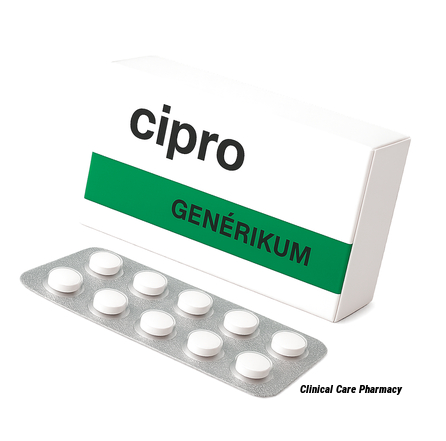
- Is ciprofloxacin (Cipro) available without prescription in the UK?
- What does Pharmacy medicine mean in the UK?
- General information about ciprofloxacin
- How Cipro works against bacteria
- Price and availability information
- Strengths, formulations and pack types
- Approved indications for Cipro
- UK legal classification: POM and antibiotic stewardship
- Alternatives for bacterial infections
- Ciprofloxacin compared with other antibiotics
- Food, drink and lifestyle considerations
- Side effects and tolerability
- Resistance, long-term use and stewardship
- Warnings, contraindications and interactions
- Additional information about Cipro
Is ciprofloxacin (Cipro) available without prescription in the UK?
No. Ciprofloxacin, commonly known by the brand name Cipro, is classified in the United Kingdom as a Prescription Only Medicine (POM). Due to antimicrobial resistance concerns and public health guidelines, ciprofloxacin may only be supplied following a valid prescription by a qualified healthcare professional. Any online offer to sell Cipro without a prescription is outside regulated pharmacy practice and may pose legal and health risks.
Although certain websites may market generic ciprofloxacin for “sale online” without requesting a prescription, these sales bypass the Medicines and Healthcare products Regulatory Agency (MHRA) oversight. Clinical Care Pharmacy does not condone or facilitate unsupervised antibiotic use. We supply Cipro only on receipt of a valid prescription in compliance with UK law and antibiotic stewardship principles.
What does Pharmacy medicine mean in the UK?
UK human medicines are categorised into three main legal supply statuses: Prescription Only Medicine (POM), Pharmacy medicine (P) and General Sales List medicine (GSL). While some P medicines may be obtained without a prescription, they require direct supervision by a pharmacist at the point of sale.
Antibiotics such as ciprofloxacin do not qualify as Pharmacy medicines because of their potential for serious side effects and the need for microbiological guidance. Only select non-antibiotic therapies, including some topical treatments and emergency hormonal contraception, may be reclassified to P status under specific conditions.
This framework ensures that potent medicines with higher risk profiles, notably antibiotics, remain under appropriate professional control, thereby limiting the development of antimicrobial resistance and safeguarding individual patient safety.
General information about ciprofloxacin
What is ciprofloxacin?
Ciprofloxacin is a broad-spectrum antibiotic belonging to the fluoroquinolone class. First introduced in the late 1980s, it is now one of the most widely used fluoroquinolones worldwide. The generic name is ciprofloxacin, while “Cipro” is a registered trademark of Bayer AG.
What are fluoroquinolones?
Fluoroquinolones are synthetic antibacterial agents that inhibit bacterial DNA replication. By interfering with the enzymes DNA gyrase and topoisomerase IV, they block essential processes required for bacterial growth and cell division. This class includes ciprofloxacin, levofloxacin, moxifloxacin and ofloxacin.
What is the active ingredient?
The pharmacologically active substance is ciprofloxacin hydrochloride, usually formulated as tablets, extended-release tablets or oral suspension. In UK authorised products, sodium lauryl sulfate, colloidal silica, magnesium stearate and other excipients support stability and bioavailability.
Why is ciprofloxacin used widely?
Ciprofloxacin has proven efficacy against a broad range of Gram-negative organisms, some Gram-positive species and atypical bacteria. Its versatility extends to urinary tract infections (UTIs), respiratory infections, gastrointestinal infections, skin and soft tissue infections and certain systemic infections under specialist supervision.
Is ciprofloxacin safe for all patients?
While effective, ciprofloxacin carries specific safety considerations, including tendon toxicity, neuropathy and QT interval prolongation. It requires dosage adjustment in renal impairment and caution in elderly patients. Detailed safety information is provided in the Summary of Product Characteristics (SmPC) and patient leaflet.
How Cipro works against bacteria
What is DNA gyrase?
DNA gyrase is a type II topoisomerase enzyme crucial for supercoiling and uncoiling bacterial DNA during replication. By forming transient double-strand breaks, DNA gyrase relieves torsional strain ahead of the replication fork.
What is topoisomerase IV?
Topoisomerase IV separates interlinked daughter DNA molecules following replication. Inhibition of this enzyme prevents proper chromosome segregation, leading to bactericidal effects.
How does ciprofloxacin bind?
Ciprofloxacin chelates magnesium ions in the bacterial enzyme–DNA complex, stabilising the cleavage complex and preventing DNA religation. This action triggers cell death through accumulation of double-stranded DNA breaks.
Is this mechanism bacteriostatic or bactericidal?
The fluoroquinolones, including ciprofloxacin, exhibit bactericidal activity. Rapid inhibition of DNA synthesis leads to bacterial cell death rather than mere growth suppression.
How quickly does Cipro act?
Clinical symptom resolution often begins within 24 to 48 hours of starting therapy for sensitive infections. However, full treatment courses must be completed to prevent relapse and resistance development.
Price and availability information
How much does Cipro cost in the UK?
As a prescription medicine, the price of ciprofloxacin varies by brand, dosage, pack size and dispensing fees. The NHS prescription charge applies to patients entitled to prescription items. Private prescriptions may incur higher costs, reflecting pharmacy markup and supplier pricing.
Why do prices vary?
Factors influencing cost include manufacturer discounts, generic competition, pack size (e.g., 5, 10, 20 tablets), formulation (standard vs extended release), wholesale mark-up and pharmacy dispensing fees. Seasonal fluctuations and supply chain considerations can also affect availability and pricing.
| Example | Dosage | Formulation | Price (GBP) | Status | Note |
|---|---|---|---|---|---|
| Generic Cipro | 500 mg | Tablet | £9.50 (10 pack) | Prescription Only | Private prescription required |
| Cipro XR | 750 mg | Extended-release tablet | £18.00 (10 pack) | Prescription Only | Once daily dosing |
Prices shown are for illustrative purposes only. For current pricing and potential bulk discounts, contact Clinical Care Pharmacy in Derby.
Strengths, formulations and pack types
What strengths of Cipro are available?
Ciprofloxacin tablets are typically available in 250 mg, 500 mg and 750 mg strengths. Extended-release (XR) formulations provide 500 mg or 750 mg once-daily dosing, enhancing adherence for select indications.
What formulations are supplied?
In addition to immediate-release tablets and extended-release tablets, ciprofloxacin is available as an oral suspension (200 mg/5 ml) for paediatric patients and those unable to swallow tablets. Intravenous preparations exist for hospital use but are not supplied OTC.
Why does pack size matter?
Pack sizes range from 5 to 20 tablets or multi-dose bottles for suspension. Legal classification is linked to prescription status rather than pack size, but larger packs may be reserved for specialist settings.
| Feature | Why it matters |
| Strength | Determines dosage frequency and indication |
| Formulation | Influences absorption profile |
| Pack size | Affects supply duration and prescription details |
| DOS age range | Suspension for paediatric use |
Generic and branded ciprofloxacin share equivalent active ingredient content but differ in appearance, excipients and packaging.
Approved indications for Cipro
What is Cipro used to treat?
Ciprofloxacin is indicated for a variety of bacterial infections when caused by susceptible organisms. Common uses include:
- Urinary tract infections (UTIs), including acute cystitis and complicated UTIs;
- Respiratory tract infections, such as pneumonia and bronchitis in at-risk patients;
- Skin and soft tissue infections, including diabetic foot infections;
- Bone and joint infections;
- Complicated intra-abdominal infections (in combination therapy);
- Typhoid fever and complicated gastrointestinal infections;
- Anthrax (post-exposure prophylaxis and treatment).
How is dosing determined?
Dosing regimens depend on infection site, severity and patient factors such as renal function. Standard adult dosing ranges from 250 mg twice daily for mild UTIs to 750 mg twice daily for severe systemic infections. Renal impairment often requires dose reduction or extended dosing intervals.
Can Cipro be used in pregnancy?
Use in pregnancy is generally avoided due to potential cartilage effects seen in animal studies. It may be considered in serious infections where no safer alternatives exist, but only under specialist guidance.
UK legal classification: POM and antibiotic stewardship
What is a POM?
A Prescription Only Medicine requires a valid prescription from a UK-registered prescriber. Ciprofloxacin is strictly POM due to its antibiotic nature and stewardship considerations.
Why is stewardship important?
Antibiotic stewardship aims to optimise antibiotic use to treat infections effectively while minimising resistance emergence. Restricting fluoroquinolones to prescription supply ensures targeted use under clinical supervision.
Who regulates antibiotic classification?
The MHRA classifies human medicines and periodically reviews antibiotic categorizations in collaboration with the Department of Health and professional bodies such as the British Infection Association.
Alternatives for bacterial infections
What other antibiotic classes are used?
- Penicillins (e.g., amoxicillin, co-amoxiclav);
- Cephalosporins (e.g., cefalexin, cefuroxime);
- Macrolides (e.g., erythromycin, azithromycin);
- Tetracyclines (e.g., doxycycline);
- Sulfonamides (e.g., trimethoprim, co-trimoxazole);
- Nitrofurantoins (e.g., nitrofurantoin for UTIs).
How to choose an alternative?
Choice depends on suspected or confirmed pathogen, allergy status, infection site and local resistance patterns. Culture and sensitivity testing guide targeted therapy whenever possible.
Ciprofloxacin compared with other antibiotics
How does Cipro compare with levofloxacin?
Both fluoroquinolones share similar mechanisms but differ in spectrum and pharmacokinetics. Levofloxacin often provides once-daily dosing, whereas ciprofloxacin is usually dosed twice daily.
How does Cipro compare with amoxicillin?
Amoxicillin is a beta-lactam antibiotic with primary Gram-positive and some Gram-negative coverage. Ciprofloxacin offers broader Gram-negative activity but a higher risk of certain serious side effects.
| Feature | Ciprofloxacin | Levofloxacin | Amoxicillin |
| Drug class | Fluoroquinolone | Fluoroquinolone | Beta-lactam |
| Dosage frequency | Twice daily | Once daily | Three times daily |
| Gram-negative coverage | Excellent | Excellent | Moderate |
| Prescription status | POM | POM | POM/P |
Is one antibiotic always better?
No. Antibiotic selection should be based on infection type, pathogen susceptibility, patient comorbidities and safety profiles rather than perceived potency alone.
Food, drink and lifestyle considerations
Can diet influence Cipro absorption?
Ciprofloxacin absorption is reduced by cation-containing foods and supplements such as dairy products, calcium, magnesium or iron. Administer Cipro at least two hours before or six hours after such products to optimise blood levels.
Can alcohol affect antibiotic therapy?
While moderate alcohol intake does not directly interfere with ciprofloxacin, excessive alcohol may exacerbate side effects such as dizziness, drowsiness or gastrointestinal discomfort. Patients are advised to limit alcohol while on antibiotic therapy.
Does caffeine matter?
Ciprofloxacin can slow caffeine clearance, leading to increased stimulant effects or anxiety in sensitive individuals. Monitoring caffeine intake during treatment is recommended.
Side effects and tolerability
Can Cipro cause side effects?
Yes. Common side effects include nausea, diarrhoea, headache and dizziness. Serious adverse reactions may involve tendon rupture, peripheral neuropathy, central nervous system effects and QT prolongation.
| System | Examples |
| Gastrointestinal | Nausea, diarrhoea, abdominal pain |
| Nervous system | Dizziness, headache, insomnia, confusion |
| Musculoskeletal | Tendonitis, tendon rupture, arthralgia |
| Cardiac | QT prolongation, arrhythmias (rare) |
| Hypersensitivity | Rash, anaphylaxis (rare) |
Why monitor for tendon issues?
Fluoroquinolones are associated with tendon toxicity, particularly of the Achilles tendon. Onset can occur weeks into therapy or after completion. Patients should report any tendon pain or swelling promptly and discontinue therapy pending evaluation.
Resistance, long-term use and stewardship
Why is resistance a concern?
Bacterial resistance to fluoroquinolones has risen globally, driven by overuse and misuse. Resistance mechanisms include target site mutations, efflux pumps and reduced permeability. Stewardship programmes restrict fluoroquinolone use to serious or resistant infections.
Can long-term use be appropriate?
Long courses of ciprofloxacin may be prescribed for osteomyelitis or chronic prostatitis under specialist supervision. Regular monitoring for adverse events and resistance is required.
What is antibiotic stewardship?
Stewardship encompasses appropriate selection, dosing, route and duration of antibiotic therapy to optimise clinical outcomes while minimising resistance and adverse events. Prescribers follow guidelines such as those from NICE and local antimicrobial stewardship committees.
Warnings, contraindications and interactions
Who should be cautious?
- Patients with a history of tendon disorders;
- Individuals over 60 years old;
- Patients with renal impairment (dose adjustment required);
- Those with pre-existing QT prolongation or on QT-prolonging drugs;
- Patients with central nervous system disorders or seizure history;
- Pregnant or breastfeeding women (risk/benefit assessment required).
Can Cipro interact with other medicines?
Yes. Key interactions include:
- Cation-containing compounds (antacids, sucralfate, iron, zinc supplements);
- CYP1A2 substrates (theophylline, caffeine);
- Warfarin (potentially increased INR and bleeding risk);
- Antiarrhythmics (risk of QT prolongation);
- Non-steroidal anti-inflammatory drugs (raised CNS toxicity risk).
Why verify all concomitant therapies?
Complex interaction profiles necessitate a full medication review before initiating ciprofloxacin. Pharmacists and prescribers assess potential risks and adjust therapy accordingly.
Additional information about Cipro
What does “generic ciprofloxacin” mean?
A generic antibiotic contains the same active ingredient, strength and dosage form as the reference brand (Cipro) and meets stringent UK quality, safety and efficacy standards. Inactive ingredients may vary, but therapeutic equivalence is assured.
Why can two generics differ?
Manufacturers choose different excipients, tablet coatings and packaging, leading to variations in tablet size, colour and dissolution characteristics, all within regulatory limits.
Where can official information be verified?
Reliable sources include the MHRA website, the electronic Medicines Compendium (eMC), the British National Formulary (BNF) and qualified healthcare professionals.
Does this information replace professional advice?
No. This page is provided by Clinical Care Pharmacy, Unit 4 Brian Clough Business Centre, 200-222 Cotton Lane, Derby, for general information. For personalised guidance, please consult your GP or speak directly with our pharmacy team.