
Buy cipro cheap fast delivery
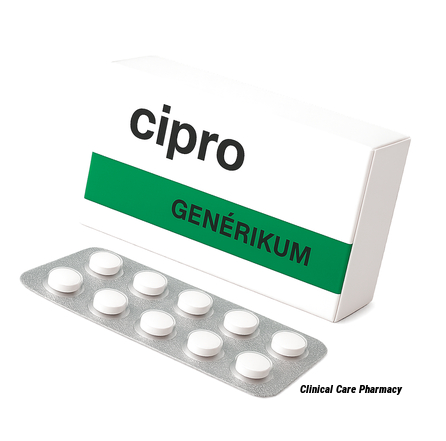
- Is Cipro available without prescription in the UK?
- What does Prescription Only Medicine mean in the UK?
- General information about ciprofloxacin
- How Cipro works against bacteria
- Price and availability information
- Strengths, formulations and pack types
- Approved indications and uses
- UK legal classification: POM, P and GSL
- Alternatives and other antibiotics
- Cipro compared with other fluoroquinolones
- Food, alcohol and hydration considerations
- Side effects and tolerability
- Resistance, long-term use and stewardship
- Warnings, contraindications and interactions
- Additional information about Cipro
Is Cipro available without prescription in the UK?
No. Ciprofloxacin (Cipro) is classified as a Prescription Only Medicine (POM) in the United Kingdom. It cannot be lawfully supplied without a valid prescription, except under certain professional healthcare provisions. Any offer to supply ciprofloxacin online “without prescription” should be considered outside the standard regulatory framework. Clinical Care Pharmacy requires a prescription or consultation under appropriate legal mechanisms to ensure patient safety and compliance with MHRA regulations.
What does Prescription Only Medicine mean in the UK?
In the United Kingdom, human medicines are regulated under three main legal categories: Prescription Only Medicine (POM), Pharmacy medicine (P), and General Sales List medicine (GSL). A POM can only be supplied against a valid prescription written by a qualified medical professional, or under specific legal exemptions such as patient group directions (PGDs) or certain online consultation protocols. This classification ensures that higher-risk medicines, including systemic antibiotics like ciprofloxacin, are used appropriately.
General information about ciprofloxacin
What is ciprofloxacin?
Ciprofloxacin is a synthetic antibiotic belonging to the fluoroquinolone class. It is widely used to treat a variety of bacterial infections, including urinary tract infections (UTIs), respiratory tract infections, skin and soft tissue infections, and certain gastrointestinal infections. The generic name is ciprofloxacin, while branded versions include Cipro® and other trade names. Generic ciprofloxacin contains the same active pharmaceutical ingredient and meets equivalent standards of safety, quality, and efficacy.
What are fluoroquinolones?
Fluoroquinolones are a class of broad-spectrum antibiotics that share a common chemical structure derived from nalidixic acid. They are characterised by the addition of fluorine atoms, which enhance their potency and spectrum of activity. Other members of this class include levofloxacin, moxifloxacin, norfloxacin, and ofloxacin.
What is the active ingredient?
The active pharmaceutical ingredient in Cipro is ciprofloxacin hydrochloride. Generic formulations may differ in inactive ingredients such as fillers, binders, coatings, or capsule shells, but these do not affect the antibiotic’s primary mechanism of action or clinical effectiveness.
Why is ciprofloxacin taken orally?
Ciprofloxacin is available in oral tablet and capsule forms to enable outpatient treatment. The oral route provides convenient dosing and rapid absorption. Bioavailability is generally high, meaning that a significant proportion of the dose reaches systemic circulation.
Is Cipro an antiviral or antifungal?
No. Ciprofloxacin is exclusively an antibacterial agent. It does not have activity against viruses or fungi. Appropriate therapy for viral or fungal infections requires different classes of medicines.
How Cipro works against bacteria
What is DNA gyrase?
DNA gyrase is an essential bacterial enzyme that introduces negative supercoils into DNA. This process is critical for DNA replication and transcription. Inhibition of DNA gyrase disrupts bacterial DNA processes, leading to cell death.
What is topoisomerase IV?
Topoisomerase IV is another enzyme involved in the separation of replicated DNA strands during cell division. Inhibiting this enzyme prevents bacterial cells from completing replication, which contributes to the bactericidal effects of ciprofloxacin.
How does ciprofloxacin inhibit these enzymes?
Ciprofloxacin binds to the enzyme-DNA complex, preventing the re-ligation of DNA strands after they have been cut by DNA gyrase or topoisomerase IV. The result is accumulation of irreversible DNA breaks and rapid bactericidal activity against susceptible bacteria.
Is Cipro concentration-dependent?
Yes. The bactericidal activity of ciprofloxacin is concentration-dependent. Higher antibiotic concentrations relative to the minimum inhibitory concentration (MIC) of the pathogen result in more rapid bacterial killing.
Does resistance occur?
Bacterial resistance to fluoroquinolones can develop through mutations in the genes encoding DNA gyrase or topoisomerase IV, efflux pump overexpression, or reduced outer membrane permeability. Resistance is a growing global concern and underscores the importance of appropriate prescribing and antibiotic stewardship.
Price and availability information
How much does generic Cipro cost in the UK?
Retail prices for ciprofloxacin vary by strength, pack size, and supplier. This page offers indicative information only. For current prices and stock status, please contact Clinical Care Pharmacy. Prices for generic ciprofloxacin are typically lower than those of branded products, offering an affordable option for patients with a valid prescription.
Why can prices vary between products?
Price differences reflect brand or generic status, pack size (e.g., 10, 20 or 30 tablets), dosage strength (250 mg, 500 mg, 750 mg), formulation, and distribution costs. Clinical Care Pharmacy aims to provide cost-effective pricing for generic ciprofloxacin.
| Example | Strength | Formulation | Price | Status | Note |
|---|---|---|---|---|---|
| Generic Cipro A | 250 mg | Film-coated tablets | £ | Prescription Only | Purchase with valid prescription |
| Generic Cipro B | 500 mg | Film-coated tablets | £ | Prescription Only | Pack of 20 tablets |
| Branded Cipro | 500 mg | Film-coated tablets | £ | Prescription Only | Higher brand premium |
Strengths, formulations and pack types
What strengths of Cipro exist?
Ciprofloxacin tablets and capsules are commonly available in strengths of 250 mg, 500 mg, and 750 mg. The choice of strength depends on the severity and type of infection, patient factors, and prescriber recommendation.
What formulations are available?
Formulations include:
- Film-coated tablets;
- Capsules;
- Extended-release tablets (less common);
- Oral suspension for paediatric use (prescription only);
- Intravenous infusion (hospital use).
Why does pack size matter?
Pack size correlates with the intended duration of therapy—commonly 3 to 14 days for most infections. Smaller packs reduce waste and cost for shorter courses, while larger packs are provided for extended regimens under careful clinical supervision.
| Feature | Why it matters |
| Active ingredient | Ciprofloxacin hydrochloride concentration |
| Strength | Dose per tablet/capsule tailored to infection severity |
| Formulation | Absorption profile and release characteristics |
| Pack size | Aligns with prescribed treatment duration |
| Legal category | POM ensures prescription oversight |
Are generic and branded Cipro identical?
They share the same active ingredient and must demonstrate bioequivalence to the reference product. Differences may exist in inactive ingredients, appearance, and packaging, but therapeutic outcomes are expected to be equivalent when used appropriately.
Approved indications and uses
What infections can Cipro treat?
Ciprofloxacin is approved for multiple bacterial infections, including:
- Uncomplicated and complicated urinary tract infections;
- Acute pyelonephritis;
- Chronic bacterial prostatitis;
- Lower respiratory tract infections such as bronchitis and pneumonia;
- Skin and soft tissue infections;
- Bone and joint infections;
- Intra-abdominal infections;
- Certain types of gastroenteritis;
- Post-exposure prophylaxis for anthrax (inhalational).
Is off-label use common?
Occasionally, clinicians may prescribe ciprofloxacin off-label for infections where standard therapy is unsuitable. Such use should be based on clinical judgment, antimicrobial susceptibility, and patient factors.
Is dosing the same for all infections?
No. Dosage regimens vary based on infection type, severity, renal function, age, and co-morbidities. Always follow prescriber instructions and consult the patient information leaflet.
UK legal classification: POM, P and GSL
What is a POM?
A Prescription Only Medicine requires a valid prescription from an authorised prescriber. Ciprofloxacin’s potential for serious adverse effects and resistance development mandates prescription control.
What is a Pharmacy medicine?
Pharmacy medicines (P) can be supplied without prescription but only under the supervision of a pharmacist. Cipro is not in this category.
What is a GSL medicine?
General Sales List medicines may be sold in general retail outlets. Antibiotics like Cipro are not eligible due to safety and antimicrobial stewardship considerations.
Is all ciprofloxacin POM in the UK?
Yes. All ciprofloxacin products, including tablets, capsules, suspension, and intravenous forms, are classified as POM in the UK.
Who regulates antibiotic classification?
The UK Medicines and Healthcare products Regulatory Agency (MHRA) oversees classification and ensures ongoing safety monitoring and reclassification processes.
Alternatives and other antibiotics
What other antibiotic categories exist?
- Beta-lactams (penicillins, cephalosporins);
- Macrolides (azithromycin, clarithromycin);
- Tetracyclines (doxycycline, minocycline);
- Sulfonamides (co-trimoxazole);
- Aminoglycosides (gentamicin, amikacin);
- Other fluoroquinolones (levofloxacin, moxifloxacin);
- Lincosamides (clindamycin).
Why might another antibiotic be chosen?
Selection depends on bacterial susceptibility, infection site, patient allergies, drug interactions, and local resistance patterns. A healthcare professional should guide antibiotic choice.
Cipro compared with other fluoroquinolones
How does ciprofloxacin compare with levofloxacin?
Both inhibit DNA gyrase and topoisomerase IV but differ in pharmacokinetics. Levofloxacin has slightly enhanced Gram-positive coverage and once-daily dosing in many regimens, while ciprofloxacin may require twice-daily dosing for certain infections.
How does Cipro compare with moxifloxacin?
Moxifloxacin offers extended spectrum against Gram-positive and anaerobic bacteria and is typically once daily. Ciprofloxacin is preferred for urinary and gastrointestinal infections due to higher urinary and biliary excretion.
| Feature | Ciprofloxacin | Levofloxacin | Moxifloxacin |
| Common dosing | 250–750 mg BD | 250–500 mg OD | 400 mg OD |
| Gram-positive coverage | Moderate | Improved | Enhanced |
| Anaerobic coverage | Limited | Minimal | Good |
| Urinary excretion | High | Moderate | Low |
Is one fluoroquinolone always better?
No. Choice depends on infection site, bacterial susceptibility, dosing convenience, patient factors, and safety considerations.
Food, alcohol and hydration considerations
Can food influence ciprofloxacin absorption?
Ciprofloxacin is best taken on an empty stomach or two hours after a meal to optimise absorption. High-fat meals can slow absorption but usually do not significantly reduce overall bioavailability.
Why avoid dairy or antacids around dosing?
Calcium- or magnesium-containing foods, supplements, or antacids can chelate ciprofloxacin in the gut, reducing its absorption. Separate dosing by at least 2 hours before or 6 hours after such products.
Can alcohol worsen side effects?
Alcohol may exacerbate certain side effects of ciprofloxacin, such as dizziness or gastrointestinal discomfort. Patients are advised to minimise alcohol consumption during treatment.
Is hydration important?
Adequate fluid intake helps maintain renal excretion of the antibiotic and supports overall health during infection. Dehydration can increase the risk of crystalluria and renal adverse effects.
Side effects and tolerability
Can Cipro cause side effects?
Yes. Common and serious side effects are described in the patient leaflet and product information. Not all patients experience them, but awareness is vital for prompt recognition and management.
| Area | Examples described in product information |
| Gastrointestinal | Nausea, diarrhoea, abdominal pain |
| Nervous system | Headache, dizziness, insomnia |
| Musculoskeletal | Tendon pain, tendonitis, tendon rupture |
| Skin | Rash, photosensitivity reactions |
| Hypersensitivity | Anaphylaxis, angioedema (rare) |
| Cardiac | QT interval prolongation (rare) |
Why are tendinopathy warnings included?
Fluoroquinolones have a known association with tendon damage, especially in older adults or concomitant corticosteroid users. Symptoms such as sudden tendon pain require immediate cessation of therapy and medical review.
Are neurological effects possible?
Yes. Central nervous system effects, including seizures, hallucinations, and peripheral neuropathy, are rare but can be serious. Patients with a history of seizure disorders require careful assessment.
Why list very rare effects?
Regulated safety information includes all suspected adverse effects to inform healthcare professionals and patients about potential risks, even if rare, so that safety signals can be recognized promptly.
Resistance, long-term use and stewardship
Why is antibiotic stewardship important?
Judicious use of antibiotics like ciprofloxacin is critical to slow the development of bacterial resistance. Overuse or inappropriate use reduces future treatment options and can lead to multidrug-resistant infections.
Can long-term use be harmful?
Extended courses of antibiotics can disrupt normal flora, increase the risk of Clostridioides difficile infection, and promote selection of resistant organisms. Long-term use should be guided by specialist advice.
What is step-down therapy?
In hospital settings, patients may start on intravenous ciprofloxacin and switch to oral therapy when clinically stable. This approach reduces invasive administration risks and supports outpatient care.
Why review antibiotic choice?
Culture and sensitivity results can guide de-escalation to narrower-spectrum antibiotics once causative organisms are identified, minimising broad-spectrum exposure.
Warnings, contraindications and interactions
Who should be cautious with Cipro?
- Individuals with a history of tendon disorders;
- Those with severe renal impairment (dose adjustment required);
- Patients with known QT prolongation or on QT-prolonging drugs;
- Children and adolescents (risk of musculoskeletal toxicity);
- Pregnant or breastfeeding women (use only if benefits justify risks);
- Patients with myasthenia gravis (may exacerbate muscle weakness).
Can Cipro interact with other medicines?
Yes. Notable interactions include:
- Theophylline (increased theophylline levels);
- Warfarin and other anticoagulants (monitor INR);
- Non-steroidal anti-inflammatory drugs (NSAIDs) (increased CNS toxicity risk);
- Antidiabetic agents (may cause hypoglycaemia or hyperglycaemia);
- Drugs that prolong the QT interval;
- Chelating agents such as magnesium, calcium, aluminium, iron supplements.
Why is renal dosing important?
Ciprofloxacin is primarily excreted by the kidneys. Dose adjustment based on creatinine clearance reduces the risk of accumulation and toxicity in patients with impaired renal function.
What about pregnancy and breastfeeding?
Animal studies have shown potential arthropathy in offspring. Use in pregnancy or lactation only if no safer alternative exists and benefits outweigh risks. Consult a healthcare professional for personalised advice.
Additional information about Cipro
What does “generic ciprofloxacin” mean?
Generic ciprofloxacin contains the same active ingredient as branded Cipro® and must meet stringent regulatory standards for bioequivalence, efficacy, and safety. Differences are limited to non-active ingredients, packaging, and branding.
Why can two generic products differ in their leaflets?
Different manufacturers may have variations in excipients, pack sizes, and approved indications within their authorized marketing authorization. Always read the leaflet provided with the specific product in hand.
How should Cipro be stored?
Store in a cool, dry place below 25 °C away from direct sunlight and moisture. Keep tablets in the original container to protect from light and humidity. Keep out of reach of children.
Why check exact product information?
Medicine regulation applies to specific authorized products. The Summary of Product Characteristics and patient information leaflet for each manufacturer detail legal status, dosage instructions, contraindications, and other essential details.
Where can UK medicine information be verified?
Reliable sources include the Medicines and Healthcare products Regulatory Agency (MHRA), the electronic Medicines Compendium (eMC), and qualified healthcare professionals such as doctors and pharmacists.
Does this information replace professional medical advice?
No. This page is published by Clinical Care Pharmacy, Unit 4 Brian Clough Business Centre, 200-222 Cotton Lane, Derby, for general information only. For personalised advice, please speak to our pharmacy team or your doctor.